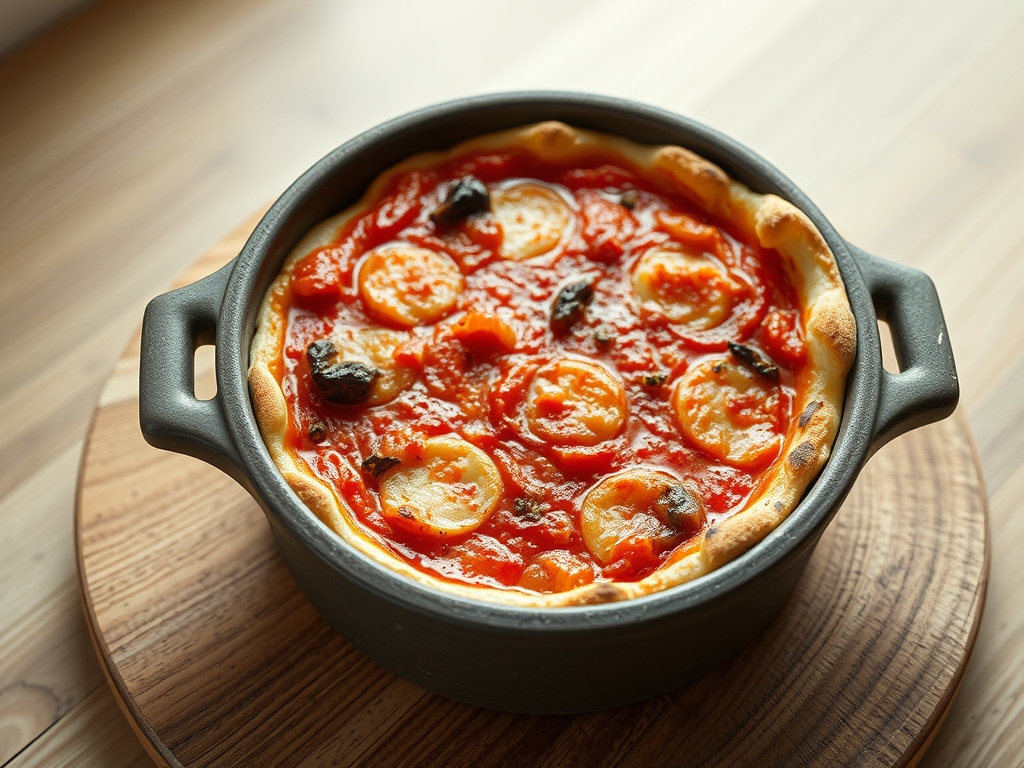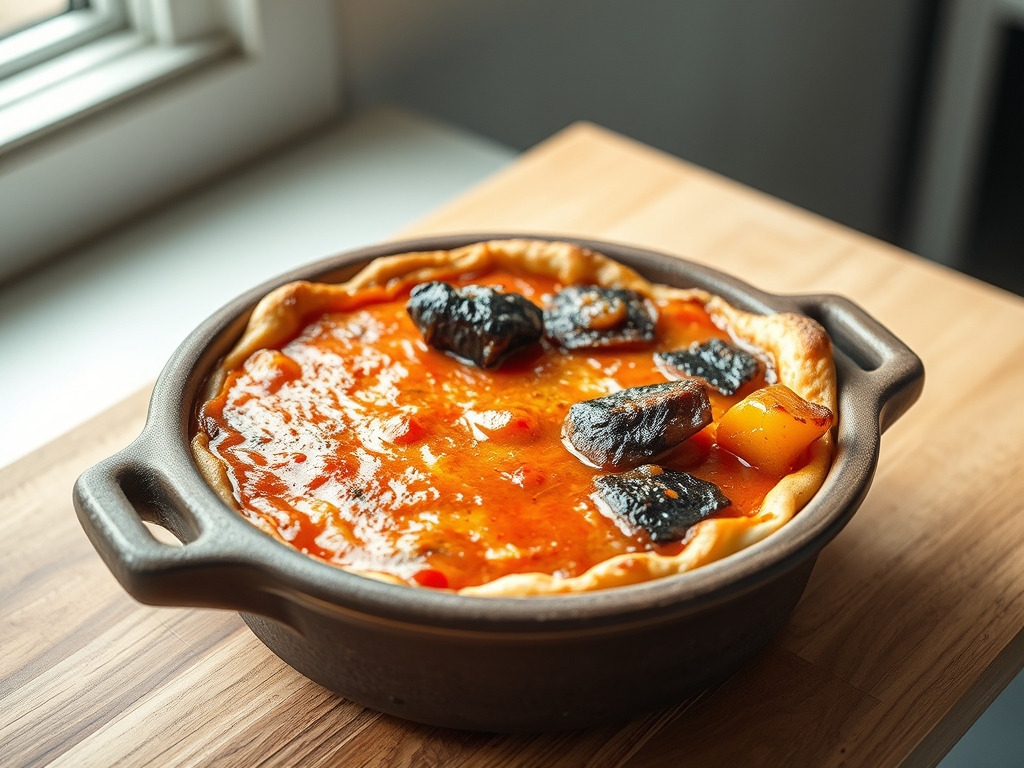
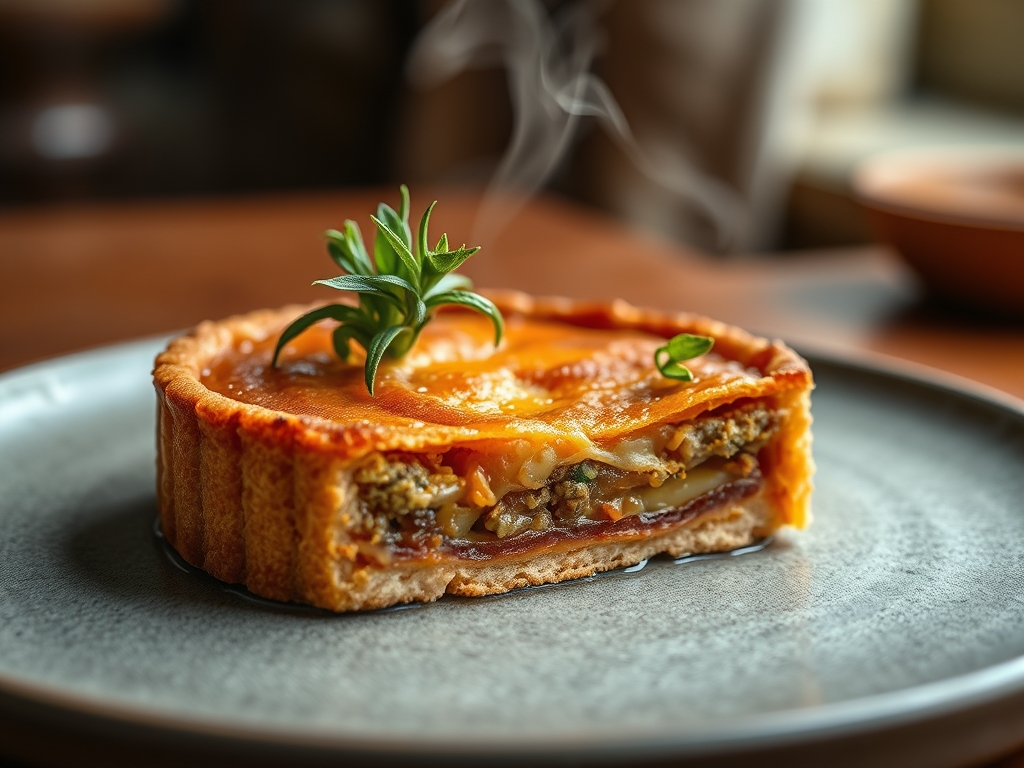
Listen to the sound of a structural failure. It is the hollow, damp thud of a generic graham cracker base failing to support the weight of a high-density cheesecake. We are here to rectify that architectural negligence with a Gingersnap Crust Audit. This is not merely a recipe; it is a blueprint for a spice-rich lipid binding system designed to withstand the most viscous fillings in your repertoire. We are talking about a piquant foundation that bites back. Imagine the sharp, serrated edge of ginger colliding with the deep, scorched notes of molasses. This is the olfactory equivalent of a high-speed chase through a spice market. We are looking for a specific snap, a crystalline fracture that signals a perfectly rendered fat-to-crumb ratio. If your current crust is a crumbly, uninspired mess of refined sugar, you are operating on a deficit. It is time to audit your inventory, recalibrate your oven, and engineer a base that serves as a structural masterpiece. Let us build something that refuses to buckle under pressure.
THE DATA MATRIX
| Metric | Specification |
|---|---|
| Prep Time | 15 Minutes |
| Execution Time | 10 Minutes |
| Yield | 1 Standard 9-inch (23cm) Crust |
| Complexity (1-10) | 3 |
| Estimated Cost per Serving | $0.45 USD |
THE GATHERS
Ingredient Protocol:
- Gingersnap Cookie Crumbs: 250g / 2 cups (Finely processed)
- Unsalted Butter: 115g / 0.5 cups (Melted and clarified)
- Granulated Sugar: 30g / 2 tablespoons
- Ground Ginger (Extra Piquant): 2g / 1 teaspoon
- Fine Sea Salt: 1g / 0.25 teaspoon
- Optional Molasses: 5ml / 1 teaspoon (For deep hydration)
Section A: Ingredient Quality Audit:
The primary failure point in a Gingersnap Crust Audit is the moisture content of the base cookie. If your snaps are stale, the starch molecules have already begun to undergo retrogradation; they will absorb your butter unevenly, leading to a greasy, unstable matrix. To fix this, toast your crumbs in a dry saucier for three minutes to drive off ambient moisture before adding fats. Another common issue is using salted butter with high water content. Low-quality butter will steam the crumbs rather than coat them. Always opt for European-style butter with at least 82 percent butterfat to ensure the lipid binding is absolute. If your ginger lacks a piquant punch, it has likely oxidized. Replace any spices older than six months to maintain the volatile oils required for a true sensory impact.
THE MASTERCLASS
Step 1: The Mechanical Reduction
Pulverize your cookies using a high-speed processor or a heavy-duty rolling pin until they reach the consistency of coarse sand. You are looking for uniformity. Any large debris will create a structural fault-line in the final bake.
Pro Tip: Use a digital scale to ensure your crumb weight is precise. Volume measurements are the enemy of consistency; a packed cup of crumbs contains 20 percent more mass than a loose one, which will throw off your fat ratio and result in a dry, sandy failure.
Step 2: The Lipid Infusion
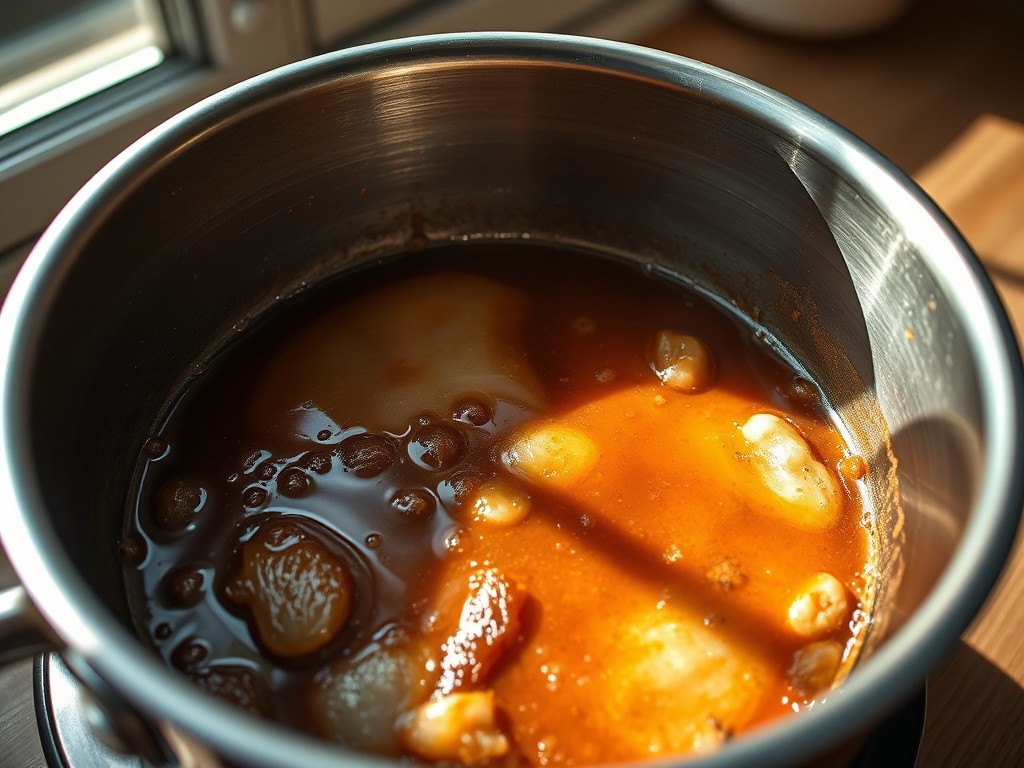
In a small saucier, melt your butter until it begins to foam. Whisk in the sugar, extra ginger, and salt. Pour this liquid gold over your crumbs and toss with a bench scraper or a stiff spatula until every grain is glistening and dark.
Pro Tip: This is where you infuse the fat with flavor. By heating the ginger in the butter, you activate the fat-soluble compounds in the spice, ensuring the heat is distributed evenly throughout the entire molecular structure of the crust.
Step 3: The Compaction Phase
Transfer the mixture to your pan. Use the flat bottom of a heavy measuring cup to press the crumbs into the base and up the sides. You are aiming for a high-density compaction. The harder you press, the more the butter will act as a hydraulic cement during the cooling phase.
Pro Tip: Use a bench scraper to create a sharp, 90-degree angle where the floor of the crust meets the wall. This structural reinforcement prevents the sides from slumping inward during the par-bake.
Step 4: The Thermal Set
Bake at 175C (350F) for exactly 10 minutes. You are not looking for a color change so much as a change in aroma. When the kitchen smells like a gingerbread factory on overtime, the sugars have caramelized and the structure is set.
Pro Tip: Do not skip the par-bake. This step allows the sugar to undergo the Maillard reaction, creating a moisture-resistant barrier that prevents your filling from turning the crust into a soggy slurry.
Section B: Prep & Timing Fault-Lines:
Timing is the silent killer of the Gingersnap Crust Audit. If you wait too long to press the crumbs into the pan after mixing with butter, the fats will begin to solidify. This results in "clumping," where the crust looks like gravel rather than a smooth architectural surface. If this happens, microwave the mixture for 15 seconds to re-liquefy the lipids. Furthermore, temperature control is vital during the cooling phase. Never add a cold filling to a hot crust. The thermal shock will cause the crust to expand and crack. Allow the base to reach room temperature for at least 30 minutes before proceeding with your infrastructure.
THE VISUAL SPECTRUM
Section C: Thermal & Visual Troubleshooting:
Referencing the Masterclass photo, your crust should exhibit a deep, mahogany hue with a matte finish. If you see "beading" or pools of oil on the surface, your emulsion has broken; you likely used too much butter or failed to incorporate the sugar properly. If the edges appear pale and dusty, the crumbs were too dry. A successful audit reveals a surface that looks like burnished leather. If you notice uneven browning, your oven has hot spots. Rotate the pan 180 degrees halfway through the bake. The texture should be firm to the touch; if it feels soft or "springy," it requires another two minutes of thermal exposure to properly render the sugars into a crisp lattice.
THE DEEP DIVE
Macro Nutrition Profile:
Per serving (1/8 of crust): 190 Calories, 11g Fat, 22g Carbs, 1g Protein. This is a high-energy fuel source designed for flavor impact, not caloric deficit.
Dietary Swaps:
- Vegan: Substitute the butter with refined coconut oil. Ensure it is refined to avoid a tropical flavor profile that clashes with the ginger.
- Gluten-Free: Utilize GF ginger snaps. These often have a higher sugar content, so reduce the added granulated sugar by 10g to prevent over-caramelization.
- Keto: Use almond flour-based ginger "biscuits" and erythritol. Note that keto binders are less stable; you may need to add 0.5 tsp of xanthan gum to the dry mix.
Meal Prep & Reheating Science:
To maintain the molecular integrity of the crust for future use, you can freeze the par-baked shell for up to three months. Wrap it tightly in plastic to prevent ice crystal sublimation. When ready to use, bake it for 5 minutes at 150C to aerate the crumbs and crisp the lipids before adding your filling.
THE KITCHEN TABLE
Why is my crust crumbling when I slice it?
Your compaction density was insufficient. Next time, use more physical force when pressing the crumbs into the pan. Also, ensure your butter is fully incorporated; dry pockets are structural weaknesses that lead to total collapse during service.
Can I use fresh ginger instead of dried?
Negative. Fresh ginger contains high water content and enzymes that can interfere with the setting of certain fillings. Stick to the dried, ground version for a stable, piquant result that does not compromise the structural audit.
My crust is too hard to cut. What happened?
You likely over-baked the crust or used too much sugar. When sugar over-caramelizes, it turns into a hard candy glass. Stick to the 10-minute thermal window and ensure your measurements are calibrated to the gram.
Is the molasses strictly necessary?
It is a structural insurance policy. Molasses provides humectancy and a deeper flavor profile. It helps bind the crumbs together, especially if your cookies are particularly dry or brittle. It adds a professional, viscous finish to the palate.