Imagine the heartbreak of a soggy bottom. You have spent hours perfecting a shortcrust pastry; you have meticulously blind-baked it to a golden, sandy crumb; yet, within twenty minutes of assembly, the moisture from your berries has staged a hostile takeover. This is a structural failure of the highest order. To prevent this culinary catastrophe, we must deploy the ultimate defensive barrier: a professional-grade Fruit Tart Glaze. This is not merely a cosmetic upgrade to make your berries shine like jewels under a gallery light. It is a functional sealant. By applying a viscous, apricot-based or pectin-rich coating, you are effectively waterproofing your infrastructure. The glaze creates a hydrophobic boundary layer that prevents the piquant juices of the fruit from migrating into the delicate lipid-rich matrix of the crust. We are talking about high-gloss aesthetics backed by rigorous molecular defense. If you want that crunch to last until the final bite, you must master the art of the seal. Let us audit your process and upgrade your glaze game from amateur syrup to industrial-strength brilliance.
THE DATA MATRIX
| Metric | Specification |
|---|---|
| Prep Time | 5 Minutes |
| Execution Time | 10 Minutes |
| Yield | 350ml / 1.5 Cups |
| Complexity (1-10) | 3 |
| Estimated Cost per Serving | $0.45 |
THE GATHERS
Ingredient Protocol:
- 300g / 10.5 oz Apricot preserves (high fruit content)
- 30ml / 2 tbsp Water or filtered apple juice
- 15ml / 1 tbsp Lemon juice (freshly squeezed)
- 10g / 2 tsp Granulated sugar (optional, for luster)
- 2g / 0.5 tsp Orange zest (microplaned for aromatics)
Section A: Ingredient Quality Audit:
The primary failure point in a Fruit Tart Glaze is the quality of the preserves. If your jam contains large, fibrous chunks of fruit, it will clog your pastry brush and create an uneven topography. Technical Fix: Always pass your preserves through a fine-mesh sieve after heating to ensure a perfectly smooth, liquid state. If the glaze is too thin, it lacks the tensile strength to hold its shape; add a teaspoon of cornstarch slurry to increase the viscosity. Conversely, if the preserves are over-cooked and gummy, they will tear the skin of delicate fruits like raspberries. Dilute with a small amount of acidic liquid to lower the pH and loosen the molecular bonds, ensuring a fluid application.
THE MASTERCLASS
Step-by-Step Execution:
1. Thermal Activation
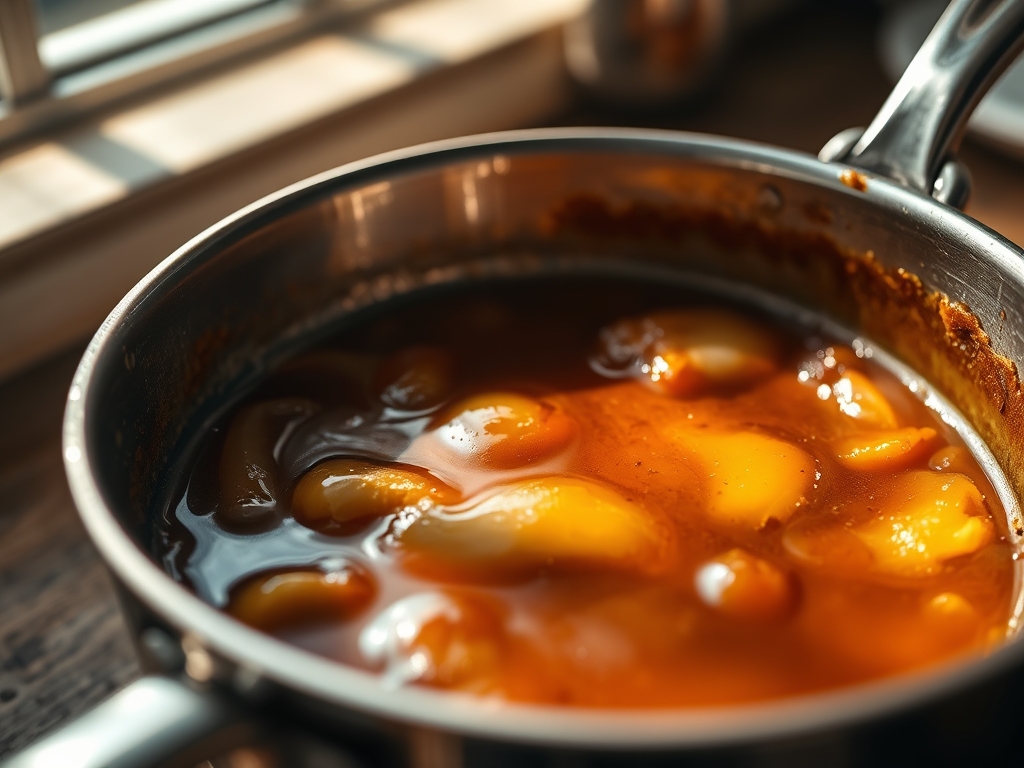
Place your apricot preserves and water into a heavy-bottomed saucier. Heat over medium-low flame while stirring constantly with a heat-resistant silicone spatula. You are looking for the mixture to liquefy and reach a gentle simmer.
Pro Tip: Using a saucier with rounded edges prevents the sugar from scorching in the corners. Heating the preserves breaks down the pectin chains, allowing them to reform into a smooth, continuous film as they cool.
2. Acidic Modulation
Once the mixture is fluid, whisk in the lemon juice and orange zest. This adds a piquant brightness that cuts through the sugar and prevents the glaze from tasting cloyingly sweet. Continue to simmer for 2 to 3 minutes to infuse the citrus oils.
Pro Tip: Use a digital scale to measure your ingredients by weight rather than volume. Precision in the ratio of sugar to liquid ensures a consistent setting point, preventing a runny mess on your tart surface.
3. Purification and Filtration
Remove the pan from the heat. Immediately pour the hot liquid through a fine-mesh chinois or sieve into a clean glass bowl. Use the back of a spoon to press out every drop of syrup, discarding the spent fruit solids.
Pro Tip: Speed is essential here. If the glaze cools too much in the sieve, it will become too viscous to pass through. Work quickly to maintain the thermal energy required for filtration.
4. Application and Sealing
Allow the glaze to cool slightly until it reaches a temperature of approximately 45 degrees Celsius (113 degrees Fahrenheit). Using a natural-bristle pastry brush, gently dapple the glaze over the fruit and any exposed crust.
Pro Tip: Do not use a bench scraper or heavy tools for this; you need the light touch of a brush. Applying the glaze while it is slightly warm allows it to flow into the crevices between fruits, creating a seamless moisture barrier.
Section B: Prep & Timing Fault-Lines:
Timing is the silent killer of the perfect tart. If you glaze the fruit while it is still warm from being washed, the residual surface moisture will prevent the glaze from adhering. Always pat your fruit dry with lint-free towels before assembly. Furthermore, never glaze a tart that is still warm from the oven. The residual heat will cause the glaze to thin out and soak into the crust rather than sitting on top, defeating the entire purpose of the infrastructure. Aim for a "Goldilocks" window where the glaze is warm enough to flow but the tart is cool enough to provide a stable foundation.
THE VISUAL SPECTRUM
Section C: Thermal & Visual Troubleshooting:
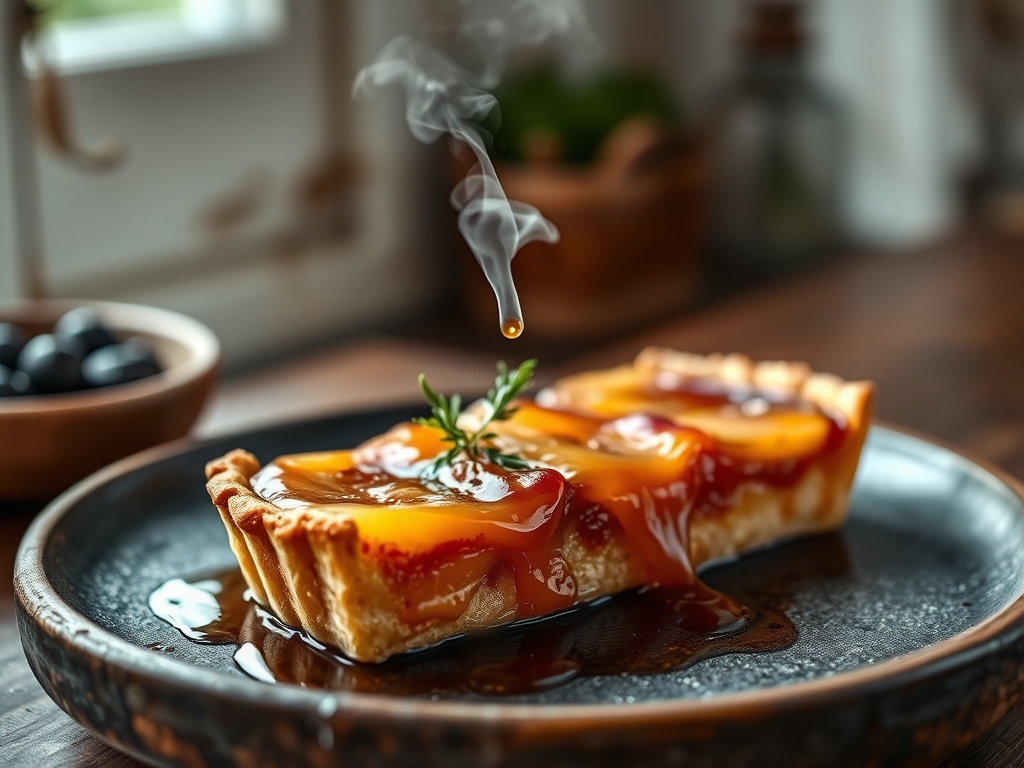
Look at the Masterclass photo above. Notice the "high-mirror" finish on the strawberries and the lack of pooling in the center. If your glaze looks dull or matte, you likely didn't cook it long enough to fully dissolve the sugar crystals. Re-heat and add a touch of corn syrup for an artificial but effective boost in shine. If you see bubbles in the glaze, you have aerated it too much with a whisk; stir gently with a spoon instead to keep the texture glass-like. If the color of your glaze is too dark or brownish, you have accidentally started to render the sugars into caramel. This usually happens when the heat is too high. Keep the temperature moderate to preserve the golden-amber hue of the apricot.
THE DEEP DIVE
Macro Nutrition Profile:
This glaze is almost entirely carbohydrate-based, functioning as a concentrated sugar syrup. While it adds approximately 40 calories per serving, its primary role is structural. It provides a quick burst of glucose without adding fat or protein, making it a "clean" finish for fruit-heavy desserts.
Dietary Swaps:
- Vegan: Most apricot preserves are naturally vegan, but ensure your sugar is bone-char free.
- Keto: Replace the preserves with a mixture of xanthan gum, erythritol, and water. It won't have the same depth of flavor but will provide the necessary shine.
- GF: Naturally gluten-free. Just ensure no cross-contamination occurs in the kitchen.
Meal Prep & Reheating Science:
A glazed tart should never be reheated. The heat will cause the fruit to release its cellular water, which will then get trapped under the glaze, turning the entire assembly into a mushy disaster. For meal prep, store the glaze in an airtight jar in the fridge for up to two weeks. Re-liquefy it in the microwave for 15 seconds before application. Once applied, the tart should be consumed within 24 hours for optimal crust integrity.
THE KITCHEN TABLE
Why is my glaze sliding off the fruit?
Your fruit is likely too wet or has a waxy skin. Pat the fruit dry and ensure the glaze has cooled enough to be tacky. If it is too hot, the viscosity is too low to cling to vertical surfaces.
Can I use strawberry jam instead of apricot?
You can, but apricot is the industry standard because it is translucent and neutral. Strawberry jam will add a red tint that might muddy the colors of lighter fruits like kiwi or peaches.
My glaze turned into a hard candy. What happened?
You over-boiled the mixture, evaporating too much water and reaching the "hard ball" candy stage. To fix this, whisk in a tablespoon of hot water and gently reheat until it returns to a brushable consistency.
Does the glaze actually preserve the fruit?
Yes. By sealing the fruit from oxygen, the glaze slows down the oxidation process. This prevents apples and bananas from browning and keeps berries looking plump and hydrated for several hours longer than unglazed fruit.