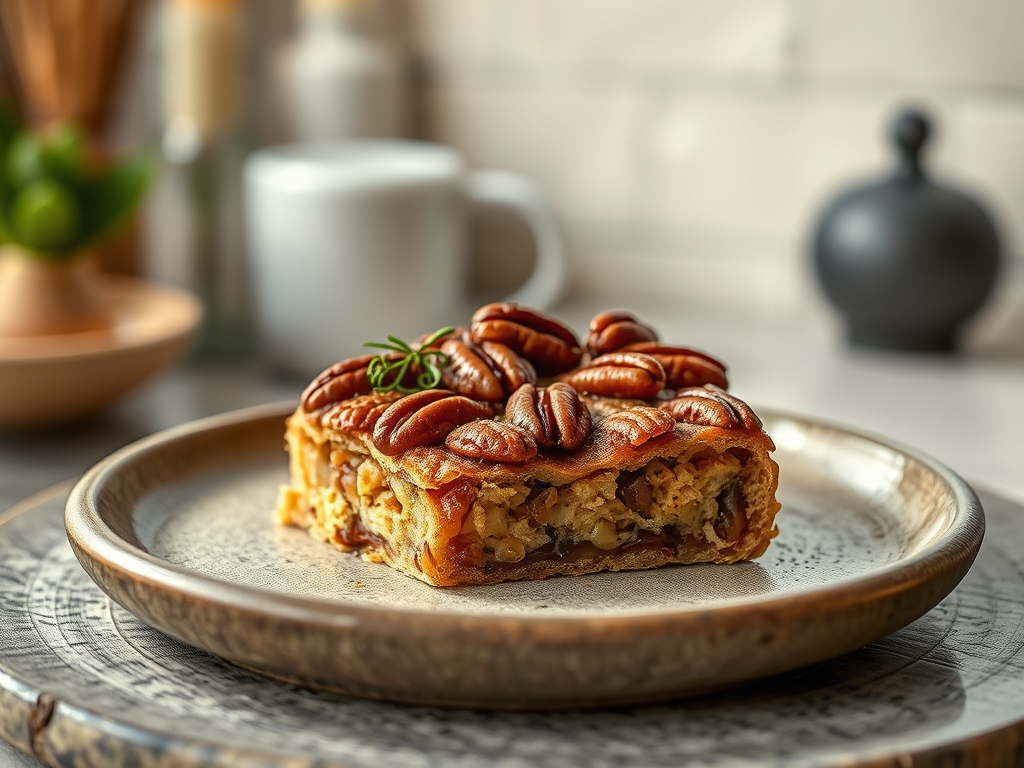
The scent of toasted lipids and pulverized nuts is not merely an aroma; it is a structural mandate. When you commit to a Pecan Sandie Crust, you are signing a contract with the laws of short-chain gluten development. We are not looking for the elastic, chewy tensile strength of a sourdough. Instead, we are engineering a crumbly, melt-in-the-mouth architecture that relies on the precise interference of fat molecules against flour proteins. This is a high-stakes culinary audit where the goal is a golden, sandy matrix that shatters under the slight pressure of a fork but holds firm against the weight of a heavy ganache or a viscous custard. The Pecan Sandie Crust represents the pinnacle of textural contrast. It is the marriage of the earthy, tannic depth of roasted pecans with the sweet, buttery surrender of a classic shortbread. If your crust feels like cardboard or crumbles into dust before it hits the plate, your infrastructure has failed. It is time to recalibrate your technique and demand more from your ingredients.
THE DATA MATRIX
| Metric | Specification |
|---|---|
| Prep Time | 20 Minutes |
| Execution Time | 25 Minutes |
| Yield | One 9-inch Tart or 12 Mini-Tarts |
| Complexity | 4 / 10 |
| Estimated Cost per Serving | $0.85 |
THE GATHERS
Ingredient Protocol:
- 225g / 1.75 cups All-Purpose Flour
- 125g / 1.25 cups Pecan Halves (Toasted)
- 150g / 0.66 cups Unsalted Butter (Chilled and Cubed)
- 65g / 0.5 cups Powdered Sugar
- 2g / 0.25 tsp Fine Sea Salt
- 5ml / 1 tsp Vanilla Bean Paste
- 1 Large Egg Yolk (Cold)
Section A: Ingredient Quality Audit:
The primary failure point in a Pecan Sandie Crust is the state of the pecans. If your nuts are stale, the oils have likely oxidized, leading to a bitter, metallic aftertaste that no amount of sugar can mask. Technical Fix: Always toast your pecans at 175C (350F) for 8 minutes before processing. This will render the natural oils and infuse the flour with a deeper aromatic profile. Another common audit failure is the use of warm butter. If the butter is not strictly chilled, it will emulsify into the flour rather than coating the proteins. This results in a greasy, tough dough rather than a short, sandy crumb. If your kitchen is over 24C (75F), freeze your flour and mixing bowl for 15 minutes prior to assembly to maintain the thermal integrity of the fats.
THE MASTERCLASS
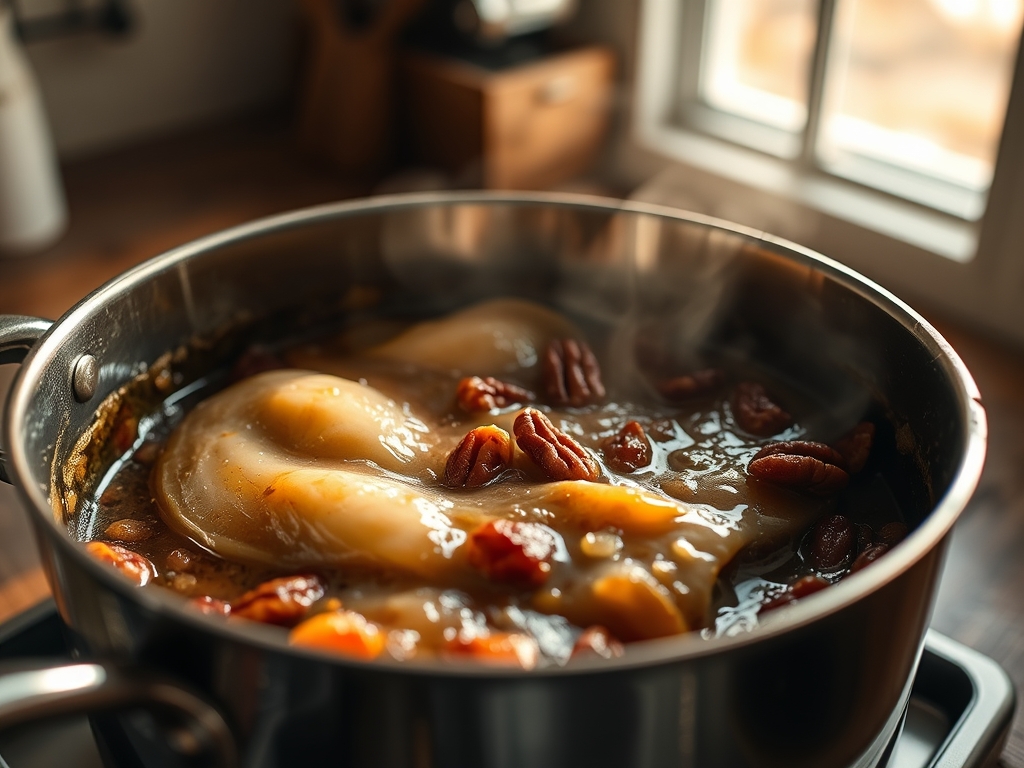
Step-by-Step Execution:
1. The Nut Pulverization Phase
Place your toasted, cooled pecans into a high-speed food processor along with the powdered sugar. Pulse until the mixture resembles coarse sand. Do not over-process, or you will create pecan butter.
Pro Tip: Use a digital scale to ensure your pecan-to-sugar ratio is exact. The sugar acts as an abrasive, helping to break down the nuts into a uniform grit while preventing the oils from clumping.
2. The Lipid Integration
Add the chilled, cubed butter and the sea salt to the processor. Pulse 8 to 10 times until the butter pieces are the size of small peas.
Pro Tip: This is the "shortening" phase. By coating the flour particles in fat, you are physically blocking water from reaching the gluten proteins. This inhibits long-chain development and ensures the "short" texture of the Pecan Sandie Crust.
3. The Binding Sequence
Add the egg yolk and vanilla bean paste. Pulse only until the dough begins to clump together in large, moist crumbs.
Pro Tip: Use a bench scraper to turn the dough onto a clean surface. The egg yolk provides lecithin, a natural emulsifier that binds the fats and liquids without the need for excess water, which would otherwise trigger unwanted gluten elasticity.
4. The Structural Set
Press the loose crumbs into your tart pan, starting from the sides and working toward the center. Use the flat bottom of a measuring cup to compress the base into a level, even layer.
Pro Tip: Professional pastry chefs often use a saucier or a flat-bottomed glass to ensure the corners are tight. This prevents the walls from collapsing during the initial stages of the bake.
5. The Thermal Transformation
Freeze the formed crust for 20 minutes before baking at 175C (350F) for 18 to 22 minutes. The edges should be a deep amber, while the center remains a pale gold.
Pro Tip: Freezing the crust stabilizes the butter. This prevents the "slump" effect where the sides of the crust slide down the pan before the starch has a chance to set.
Section B: Prep & Timing Fault-Lines:
The most frequent human error is the "over-mix." If you run your processor for too long after adding the egg, you will aerate the dough and develop gluten. This causes the crust to shrink significantly in the oven. If you notice the dough becoming a singular, smooth ball in the processor, you have gone too far. Stop immediately. Another timing fault is failing to allow the pecans to cool after toasting. Adding hot nuts to cold butter results in immediate melting, destroying the structural pockets of fat required for a sandy texture.
THE VISUAL SPECTRUM
Section C: Thermal & Visual Troubleshooting:
Referencing the Masterclass photo, a successful Pecan Sandie Crust must exhibit a distinct "speckled" appearance. These are the micro-fragments of pecan skin that provide visual texture and flavor depth. If your crust looks monochromatic and pale, you have under-baked it; the Maillard reaction has not been fully realized. If the crust appears greasy or shiny, the butter has separated from the flour, likely due to a warm environment during the pressing stage. To fix a dull, floury appearance, ensure you are using a high-quality vanilla bean paste rather than extract; the dark flecks of the bean complement the pecan fragments and signal a premium, high-fat content to the consumer. If you see uneven browning, rotate your pan 180 degrees halfway through the baking cycle to account for oven hot spots.
THE DEEP DIVE
- Macro Nutrition Profile: Per serving, this crust is high in monounsaturated fats (from the pecans) and saturated fats (from the butter). It is a calorie-dense infrastructure designed for satiety and flavor delivery.
- Dietary Swaps:
- Vegan: Substitute the butter with a high-quality plant-based butter block (avoid tub margarines) and replace the egg yolk with 15ml of cold almond milk.
- Keto: Replace the all-purpose flour with almond flour and use a monk fruit-based powdered sweetener.
- GF: Use a 1-to-1 gluten-free flour blend containing xanthan gum to maintain structural cohesion.
- Meal Prep & Reheating Science: This dough can be frozen in its raw state for up to three months. To maintain the molecular structure when reheating a pre-baked crust, use a low-temperature oven (150C/300F) for 5 minutes. This re-crisps the fats without further browning the sugars.
THE KITCHEN TABLE
Why is my crust too crumbly to slice?
You likely under-processed the pecans or didn't compress the dough enough in the pan. The fats and egg yolk need to be firmly pressed to create a cohesive lattice that can withstand the blade of a knife.
Can I use pecan meal instead of whole pecans?
Yes, but the flavor will be less intense. Whole pecans toasted just before grinding release fresh oils that provide a superior olfactory experience compared to pre-ground meal which may have sat on a shelf for months.
My crust is sticking to the pan. What happened?
This is a failure of the release agent or a sugar-leak. Ensure your tart pan is well-greased, or use a removable-bottom pan. If the sugar melts and caramelizes against the metal, it creates a molecular bond that is difficult to break.
Does the salt really matter in a sweet crust?
Salt is the primary flavor bridge. It cuts through the heavy lipids of the pecans and butter, sharpening the sweetness of the sugar and preventing the crust from tasting one-dimensional or cloying. It is an essential structural seasoning.