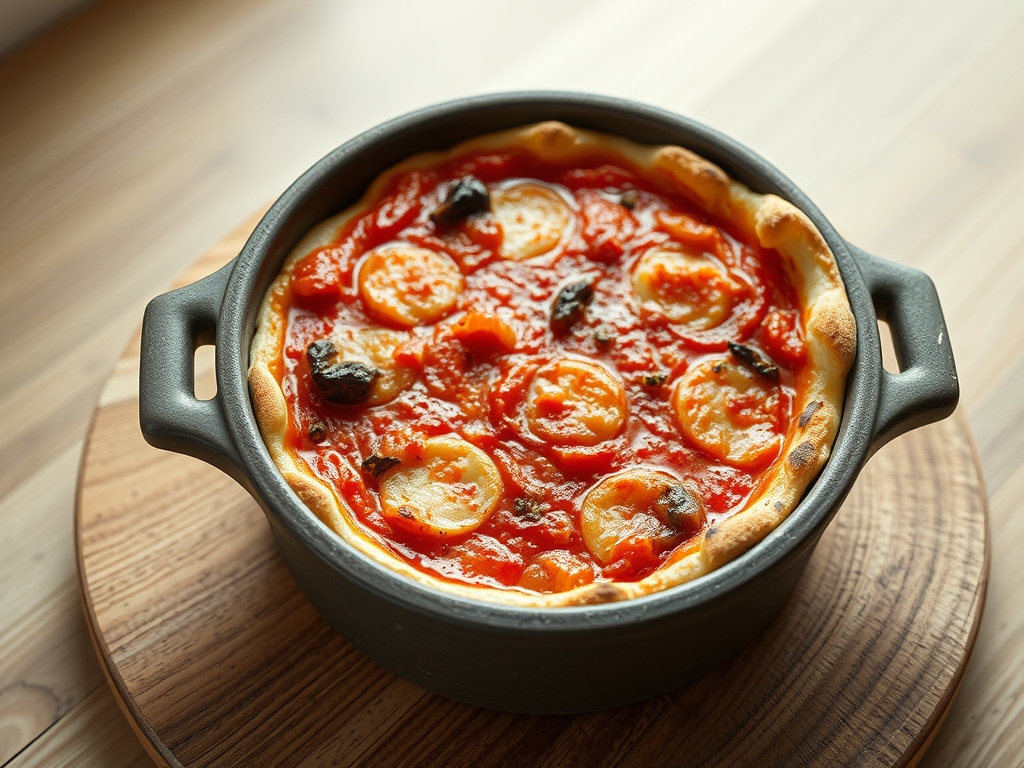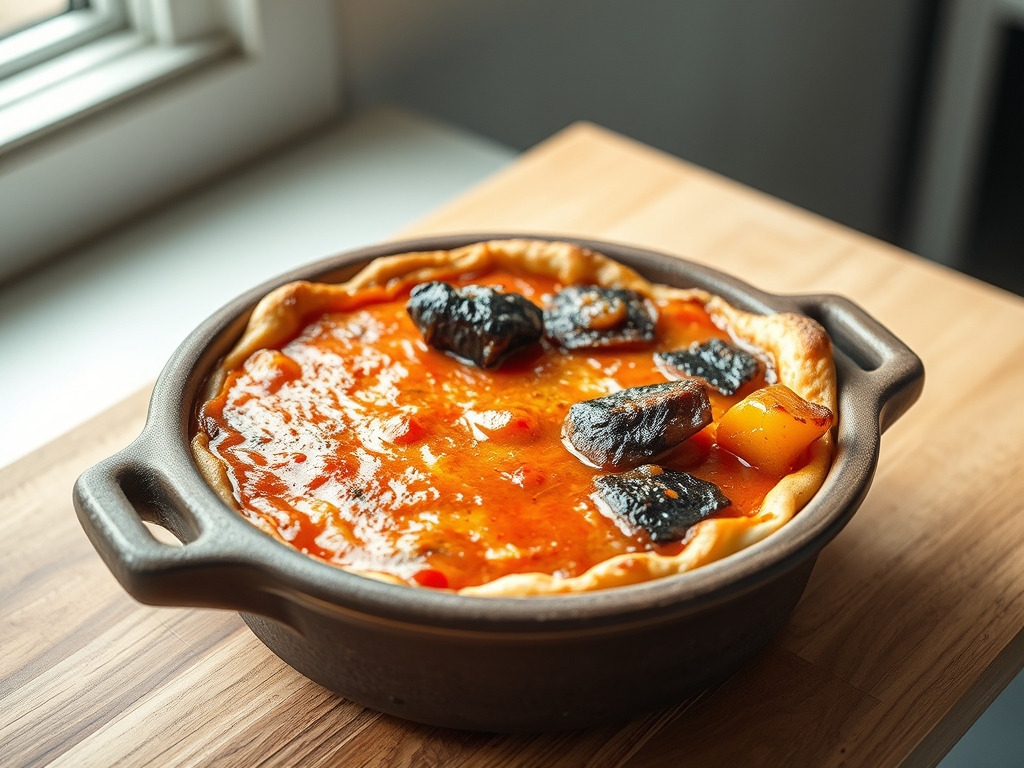
The structural integrity of a savory enclosure is the only thing standing between a mediocre weeknight dinner and a culinary masterpiece. We are not just talking about a lid; we are discussing the Pot Pie Topping, the architectural crown that must withstand the volatile thermal pressure of a bubbling, viscous interior while maintaining its own flaky, golden independence. Imagine the scene: a ceramic vessel brimming with a piquant poultry veloute, erupting in miniature geysers of steam that threaten to turn a subpar crust into a soggy, structural failure. To master this, you must think like an engineer and act like a chef. The goal is a high-tensile pastry that shatters upon the first strike of a spoon, releasing a cloud of aromatics that have been pressurized under a perfectly vented seal. We are looking for a specific ratio of lipid to flour that ensures the Maillard reaction creates a mahogany finish without sacrificing the tender, laminated interior. This is the infrastructure of comfort; it is time to audit your technique.
THE DATA MATRIX
| Metric | Specification |
|---|---|
| Prep Time | 25 mins |
| Execution Time | 35 mins |
| Yield | 6-8 Servings |
| Complexity | 6/10 |
| Estimated Cost per Serving | $0.85 |
THE GATHERS
Ingredient Protocol:
- 375g / 3 cups All-Purpose Flour (High protein content preferred)
- 225g / 1 cup Unsalted Butter (Frozen and cubed)
- 5g / 1 tsp Fine Sea Salt
- 120ml / 0.5 cup Ice Water (Filtered)
- 15ml / 1 tbsp Apple Cider Vinegar (To inhibit gluten development)
- 1 Large Egg (For the protein-based wash)
- 2g / 0.5 tsp Cracked Black Pepper (For the infusion)
Section A: Ingredient Quality Audit:
If your flour feels overly gritty or has a gray tint, it may be oxidized or poorly milled; sift it twice to aerate the particles and check for off-smells. Sub-par butter with high water content is the enemy of lamination. If your butter feels greasy at room temperature, it lacks the necessary butterfat percentage. To fix this, ensure the butter stays below 15 degrees Celsius throughout the process. If your water is not truly "ice cold," the lipids will render prematurely into the flour, resulting in a mealy texture rather than a flaky one. Use a metal bowl chilled in the freezer to mitigate heat transfer from your hands during the initial phase of the audit.
THE MASTERCLASS
Step-by-Step Execution:
1. The Lipid Integration
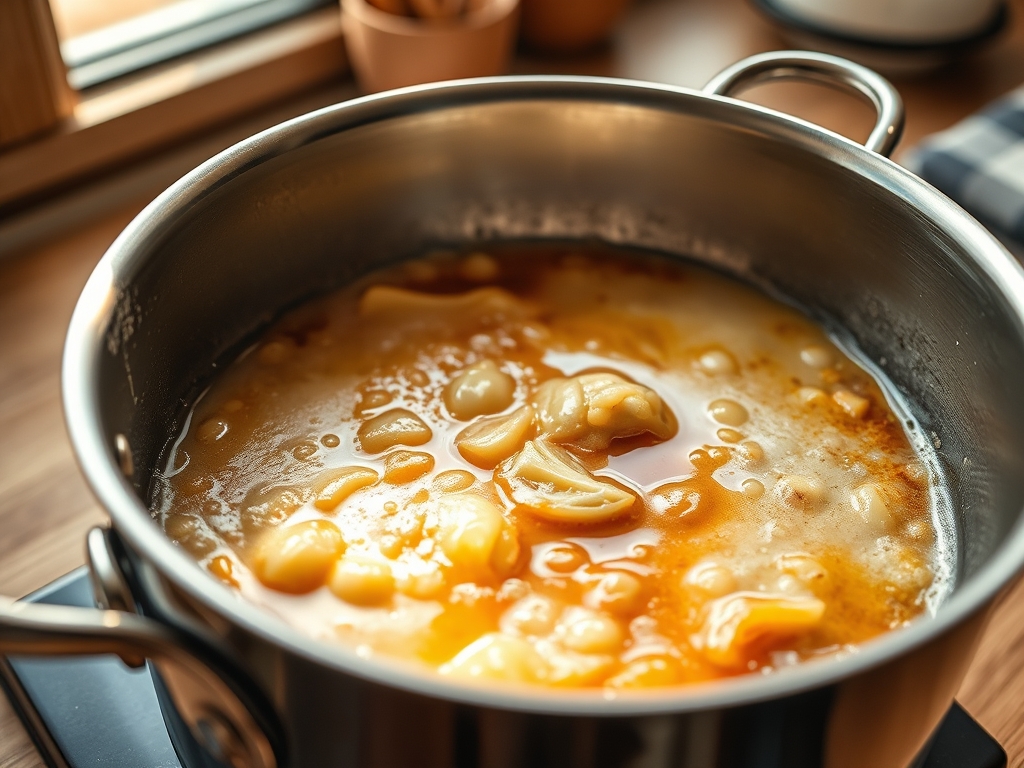
Place your dry ingredients into a chilled stainless steel bowl. Introduce the frozen butter cubes and use a professional bench scraper to cut the fat into the flour. You are looking for "pea-sized" nodules of fat.
Pro Tip: The science here is about maintaining discrete pockets of fat. When these hit the high heat of the oven, the water in the butter evaporates rapidly, creating steam pockets that lift the dough layers. Using a digital scale ensures your flour-to-fat ratio is precise to the gram.
2. Hydration and Acidification
Combine the ice water and apple cider vinegar. Drizzle the liquid over the flour mixture one tablespoon at a time, tossing with a fork until the dough just begins to hold together when squeezed.
Pro Tip: The vinegar lowers the pH of the dough, which limits the formation of long gluten strands. This ensures your Pot Pie Topping remains tender and "short" rather than chewy or bread-like. Avoid over-mixing at all costs.
3. Laminating the Infrastructure
Turn the shaggy mass onto a cold surface. Use your bench scraper to fold the dough over itself three times. Wrap in plastic and refrigerate for at least sixty minutes to allow the starches to fully hydrate and the fats to re-solidify.
Pro Tip: This "rough puff" technique creates structural layers without the labor-intensive process of a traditional puff pastry. A cold marble slab is the ideal tool here to prevent the butter from reaching its melting point.
4. Rolling and Venting
Roll the dough to a thickness of 6mm. Drape it over your saucier or baking dish, leaving a 2cm overhang. Use a sharp paring knife to cut strategic steam vents in the center. Brush with an egg wash and sprinkle with cracked pepper.
Pro Tip: Venting is non-negotiable. Without an exit strategy for the internal steam, the pressure will build until it either turns the underside of the crust into a gummy paste or causes a structural blowout at the seams.
Section B: Prep & Timing Fault-Lines:
The most common human error is rushing the chilling phase. If the dough is too warm when it enters the oven, the butter leaks out before the flour structure sets, leading to a "puddle" effect. Another timing issue occurs when the filling is too hot during the topping application. If you place cold dough onto a steaming viscous filling and wait too long to bake, the bottom of the crust will melt. Always have your oven preheated to 200 degrees Celsius before the dough touches the dish.
THE VISUAL SPECTRUM
Section C: Thermal & Visual Troubleshooting:
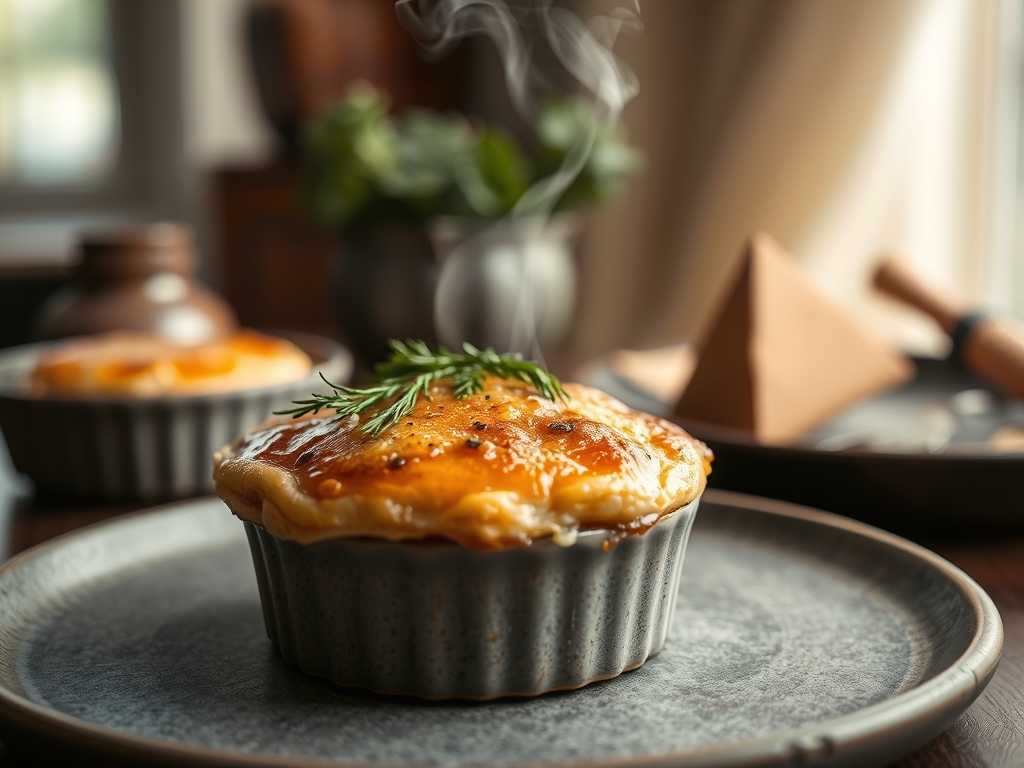
Referencing the Masterclass photo above, look for the "shatter-zone" across the surface. If your crust looks dull and matte rather than glossy and deep amber, your egg wash was likely too thin or omitted entirely. Uneven browning usually indicates "hot spots" in your oven; rotate the dish 180 degrees halfway through the bake. If the edges are darkening too quickly while the center remains pale, use a foil ring to shield the perimeter. The visual cue for completion is a "lifted" appearance where the vents have slightly widened, showing a glimpse of the bubbling, infused gravy beneath.
THE DEEP DIVE
Macro Nutrition Profile:
A standard serving of this Pot Pie Topping contains approximately 280 calories, 18g of fat, 24g of carbohydrates, and 4g of protein. The high fat content is essential for the mouthfeel and structural integrity of the enclosure.
Dietary Swaps:
- Vegan: Substitute frozen coconut oil (solid state) or a high-quality vegan butter block. Use an aquafaba wash for the golden sheen.
- Keto: Utilize almond flour and xanthan gum, though the lamination will be significantly reduced.
- GF: A 1-to-1 gluten-free flour blend works well, but requires an extra 20ml of water as rice-based flours are more absorbent.
Meal Prep & Reheating Science:
To maintain the molecular structure, never microwave a pot pie. The microwave agitates water molecules throughout the crust, destroying the crispness. Reheat in a 175 degree Celsius oven to allow the dry heat to re-crisp the lipid layers while gently warming the interior. You can prep the dough up to three days in advance or freeze it for three months without losing enzymatic quality.
THE KITCHEN TABLE
How do I prevent a "soggy bottom" on my topping?
Ensure your filling is thickened properly so it does not saturate the dough. Adding a thin layer of cheese or a light dusting of flour on the underside of the Pot Pie Topping can also create a moisture barrier.
Why did my crust shrink away from the edges?
This is caused by "gluten snap-back." If you stretch the dough to fit the dish rather than draping it, the proteins will retract when heated. Always roll the dough larger than the vessel and let it relax before trimming.
Can I use a food processor for this?
Yes, but use the pulse function sparingly. It is easy to over-process the butter into a paste. For the best Pot Pie Topping, the manual "cut-in" method provides superior control over the fat particle size.
What is the best way to get a deep mahogany color?
Add a pinch of sugar or a splash of heavy cream to your egg wash. The sugar aids in caramelization, while the extra proteins and fats in the cream enhance the Maillard reaction for a professional finish.