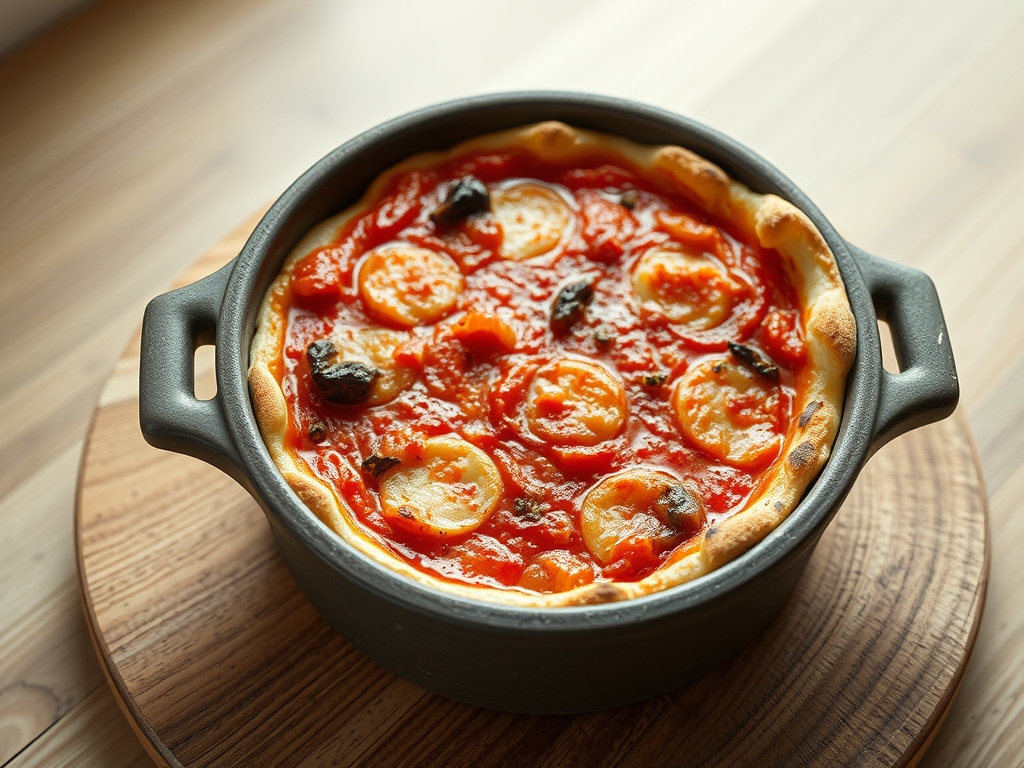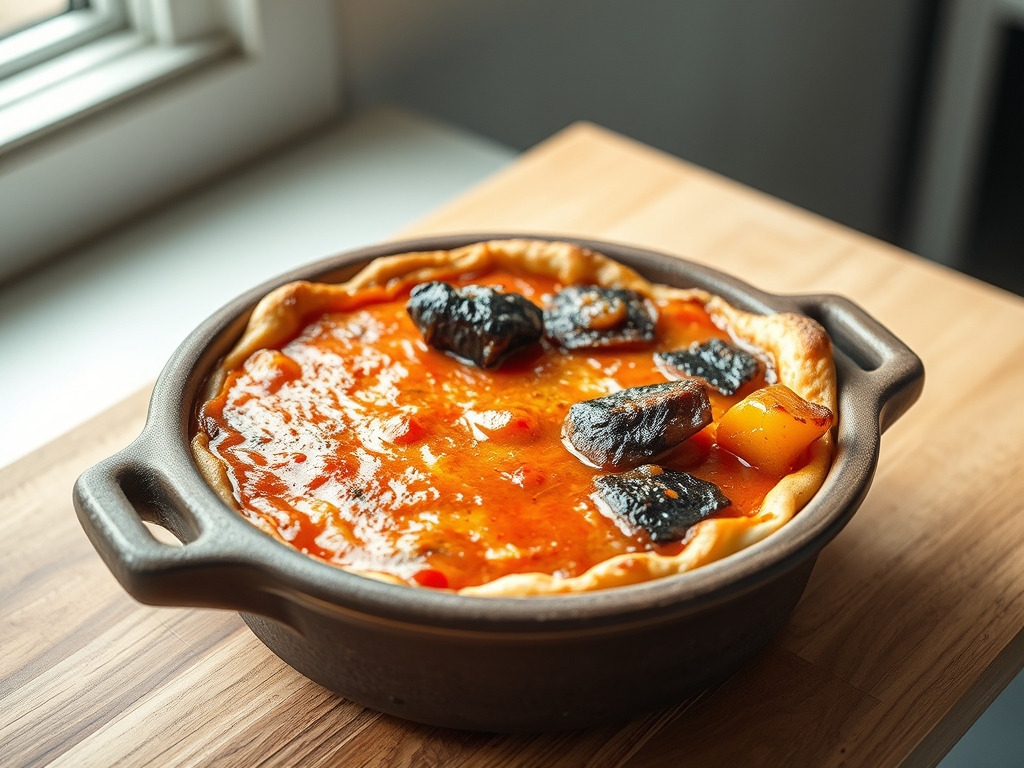
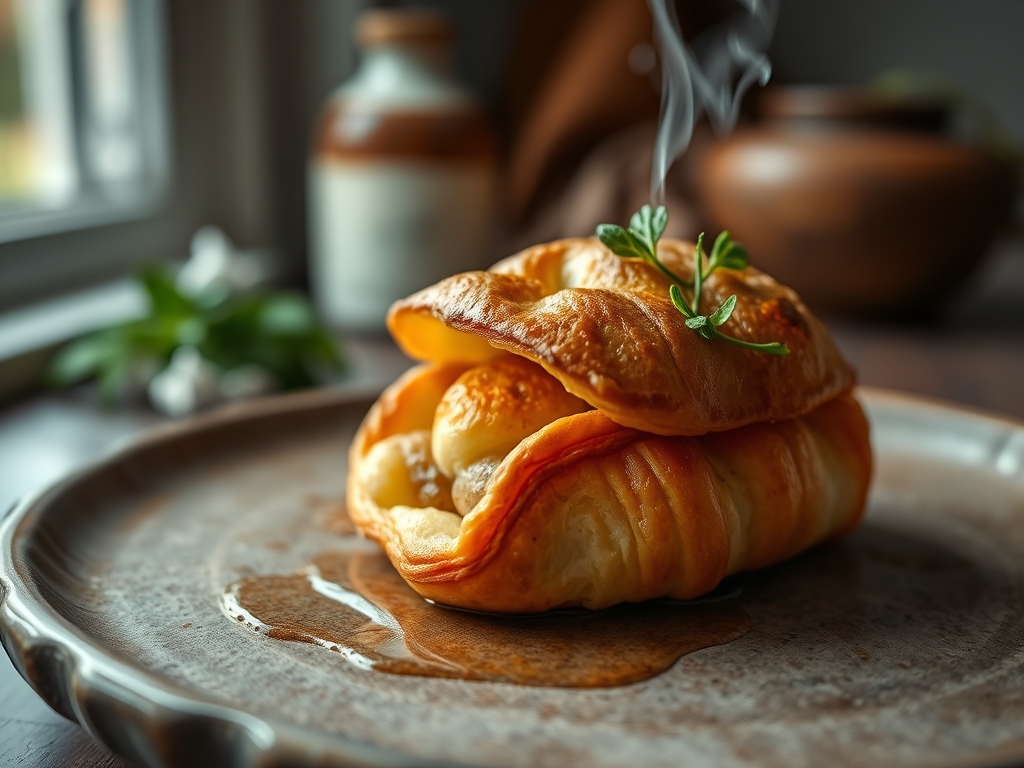
Listen to the sound of structural failure. It is the glorious, rhythmic shatter of a thousand micro-shards of butter-infused flour detonating against the roof of your mouth. This is not mere baking; it is high-stakes civil engineering executed at 400 degrees Fahrenheit. When you commit to a Puff Pastry Enclosure, you are building a pressurized steam chamber designed to loft heavy proteins or delicate vegetables into a state of suspended animation. The air between those layers is your primary building material. We are talking about a kinetic transformation where cold, solid lipids flash into steam, forcing laminated sheets of dough to expand up to eight times their original height. If your crust feels like leaden cardboard, you have suffered a catastrophic failure in your thermal infrastructure. We are here to audit your process, recalibrate your folding ratios, and ensure that every bite delivers a piquant, buttery crunch that defies the laws of gravity. Prepare for a deep dive into the physics of the flake.
THE DATA MATRIX
| Metric | Specification |
|---|---|
| Prep Time | 45 Minutes (Active) |
| Execution Time | 3.5 Hours (Includes Chilling) |
| Yield | 1 Large Enclosure (Serves 6) |
| Complexity | 8/10 |
| Estimated Cost per Serving | $4.50 – $6.00 |
THE GATHERS
Ingredient Protocol:
- 500g / 4 cups All-Purpose Flour (High protein content preferred)
- 10g / 2 tsp Fine Sea Salt
- 250ml / 1 cup Ice-Cold Filtered Water
- 450g / 2 cups High-Fat European Butter (Minimum 82% butterfat)
- 15ml / 1 tbsp Lemon Juice (To relax the gluten)
- 1 Large Egg + 15ml / 1 tbsp Heavy Cream (For the architectural glaze)
Section A: Ingredient Quality Audit:
If your butter has a high water content, your Puff Pastry Enclosure will suffer from premature steaming during the rolling phase. This leads to "leaking" where the fat escapes the dough envelope before it hits the oven. Fix: Only use European-style cultured butter. If your flour is too "soft" or low in protein, the structural integrity of the walls will collapse under the weight of the filling. Fix: Supplement your flour with 5g of vital wheat gluten to ensure the layers can aerate without tearing. If your water is room temperature, the butter will begin to emulsify into the flour rather than remaining in distinct sheets. Fix: Use an ice bath to chill your liquid to exactly 34 degrees Fahrenheit before mixing.
THE MASTERCLASS
1. The Detrempe Foundation
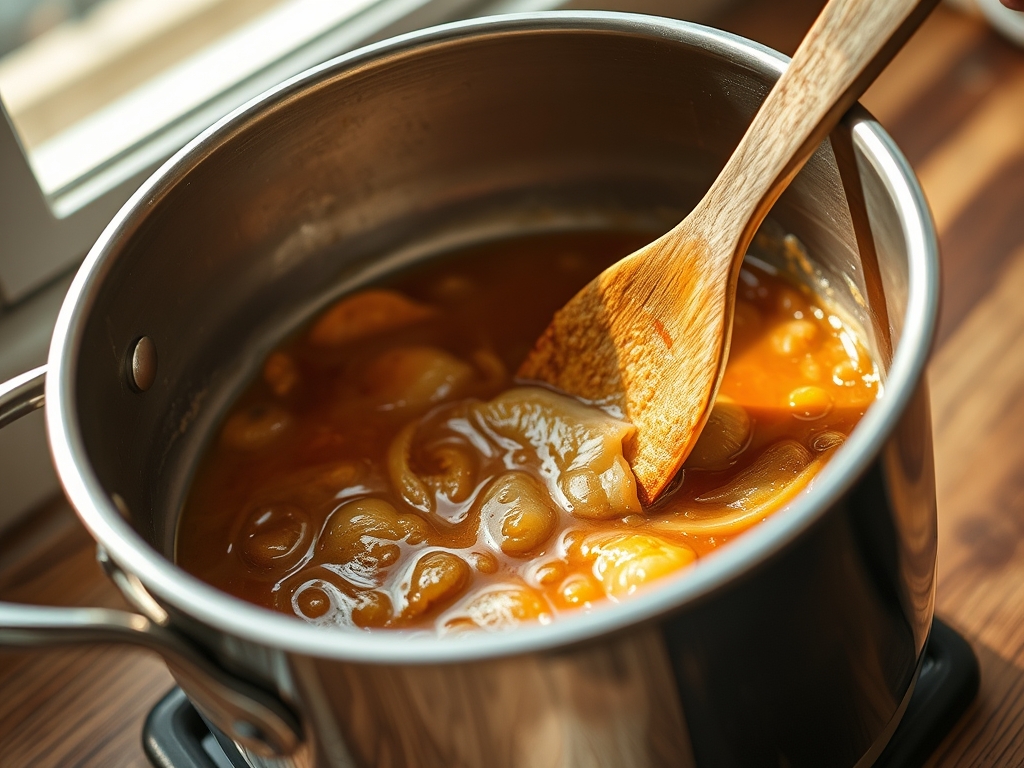
Begin by mixing your flour, salt, and chilled water into a shaggy mass. Do not overwork the dough; we are looking for a cohesive hydration, not a bread-like elasticity. Use a bench scraper to fold the dough onto itself until it forms a smooth square. Wrap this in film and chill for 60 minutes.
Pro Tip: The lemon juice acts as a dough conditioner. It lowers the pH slightly, which allows the gluten to stretch more easily during the lamination process without snapping back.
2. The Butter Block (Beurrage)
Place your cold butter between two sheets of parchment paper. Using a heavy rolling pin, beat the butter until it becomes pliable but remains cold to the touch. You are looking for a viscous consistency that matches the firmness of your chilled dough. Shape it into a perfect 6-inch square.
Pro Tip: Use a digital scale to ensure your butter block is exactly 50% of the weight of your dough. Precision is the difference between a crisp enclosure and a greasy puddle.
3. The Initial Envelope
Roll your dough into a 10-inch square. Place the butter block diagonally in the center. Fold the corners of the dough over the butter, meeting in the middle like a postal envelope. Seal the seams tightly. This is the birth of your Puff Pastry Enclosure.
Pro Tip: Use your bench scraper to square off the edges. Right angles are essential; if your dough is rounded, the layers will be uneven at the margins, leading to a lopsided rise.
4. The Lamination Turns
Roll the dough into a long rectangle. Fold it into thirds like a business letter. This is "Turn One." Rotate the dough 90 degrees and repeat. Perform a total of six turns, chilling the dough for 30 minutes between every two turns to prevent the butter from melting.
Pro Tip: Professional bakers use a "flour brush" to remove every speck of excess flour between folds. Excess flour creates "dead zones" where the layers won't adhere, causing the pastry to split.
5. The Final Encasement
Roll your finished pastry to a 1/4 inch thickness. Place your chilled filling (be it Beef Wellington or a vegetable medley) in the center. Brush the edges with your egg wash and fold the pastry over, crimping the edges to create a pressurized seal.
Pro Tip: Use a saucier to reduce any internal sauces to a thick glaze before filling. Excess moisture inside the enclosure will turn your bottom crust into a soggy mess.
Section B: Prep & Timing Fault-Lines:
The most common human error is "Rushing the Rest." If you attempt to roll the dough while the gluten is still tense, the pastry will shrink in the oven. If the kitchen is too warm, the butter will render into the flour, destroying the lamination. Fix: If the dough feels "springy," stop immediately and refrigerate for 20 minutes. If you see butter streaks on your rolling pin, your infrastructure has been compromised by heat; move the operation to a marble slab or a cooler room.
THE VISUAL SPECTRUM
Section C: Thermal & Visual Troubleshooting:
Referencing the Masterclass photo, notice the deep mahogany hue and the distinct "shingle" effect on the sides. If your enclosure is pale and soft, your oven floor temperature is too low. Fix: Bake on a preheated pizza stone to provide an immediate thermal shock. If the top is browning too fast while the sides remain raw, your sugar caramelization is outstripping your internal cook. Fix: Tent the top with foil and drop the temperature by 25 degrees. Dull color indicates a poor egg wash application. Fix: Always strain your egg wash through a fine-mesh sieve to remove "chalazae" (egg strings) for a perfectly even, glass-like finish.
THE DEEP DIVE
Macro Nutrition Profile
A standard serving of this Puff Pastry Enclosure is a high-density fuel source. Expect approximately 450 calories per serving, with 32g of fat, 35g of carbohydrates, and 8g of protein. This is a celebratory dish, engineered for flavor impact rather than caloric restriction.
Dietary Swaps
- Vegan: Replace European butter with a high-quality plant-based butter block that has a high melting point (look for coconut or cocoa butter bases).
- Keto: This is a challenge; however, a "Fathead" dough using mozzarella and almond flour can simulate the encasement, though it will lack the steam-lifted lamination.
- Gluten-Free: Use a high-quality 1-to-1 GF flour blend with added xanthan gum. The layers will be shorter and more brittle, but the flavor remains excellent.
Meal Prep & Reheating Science
To maintain the molecular structure, never microwave a Puff Pastry Enclosure. The microwave agitates water molecules, turning the crisp layers into a rubbery sponge. To reheat, use a convection oven at 350 degrees Fahrenheit. This allows dry heat to infuse the air pockets, re-crisping the fat and restoring the structural tension of the crust.
THE KITCHEN TABLE
Why did my pastry fail to rise?
The oven wasn't hot enough or you "locked" the edges by dripping egg wash down the sides. Egg wash acts like glue; if it coats the cut edges, it bonds the layers together and prevents the steam from expanding them.
Can I freeze the raw enclosure?
Absolutely. Freezing actually improves the flake by ensuring the butter is rock-solid when it hits the heat. Flash-freeze on a tray before wrapping tightly in plastic. Bake directly from frozen, adding ten minutes to the total time.
How do I prevent a soggy bottom?
Apply a thin layer of breadcrumbs or a "crepe" barrier between the filling and the pastry. This sacrificial layer absorbs excess moisture, protecting the structural integrity of the bottom Puff Pastry Enclosure during the rendering phase.
What is the best way to vent the steam?
Use a sharp paring knife to cut small, decorative slits in the top. This allows internal pressure to escape safely. Without vents, the steam will find the weakest seam and cause a structural blowout.