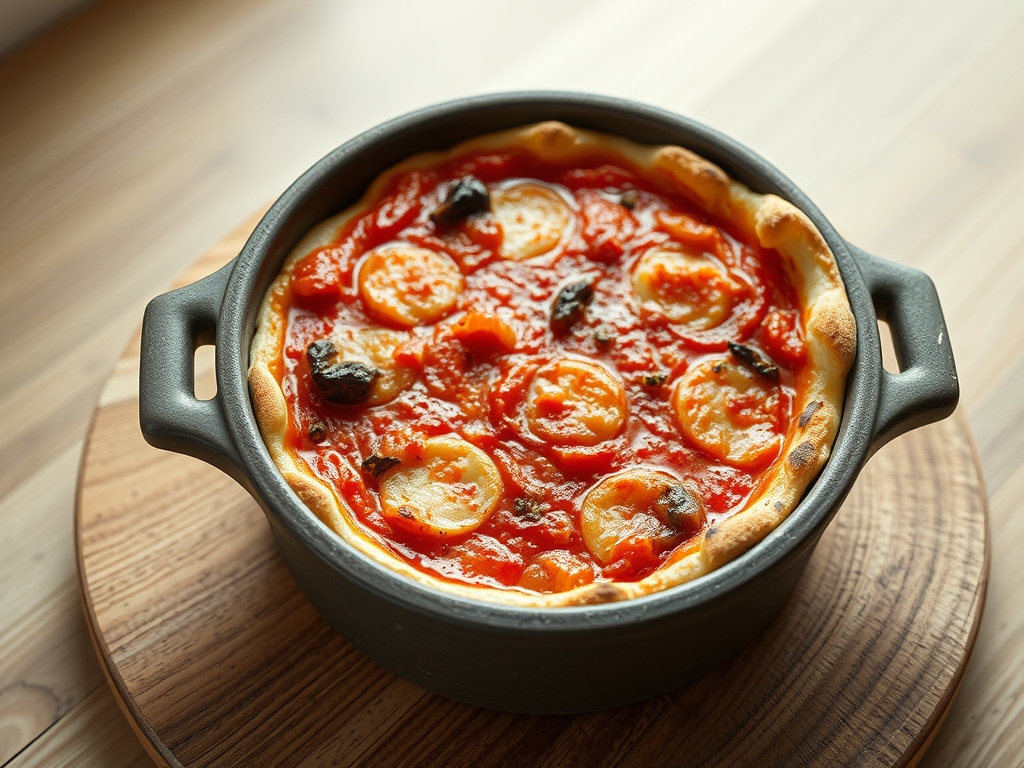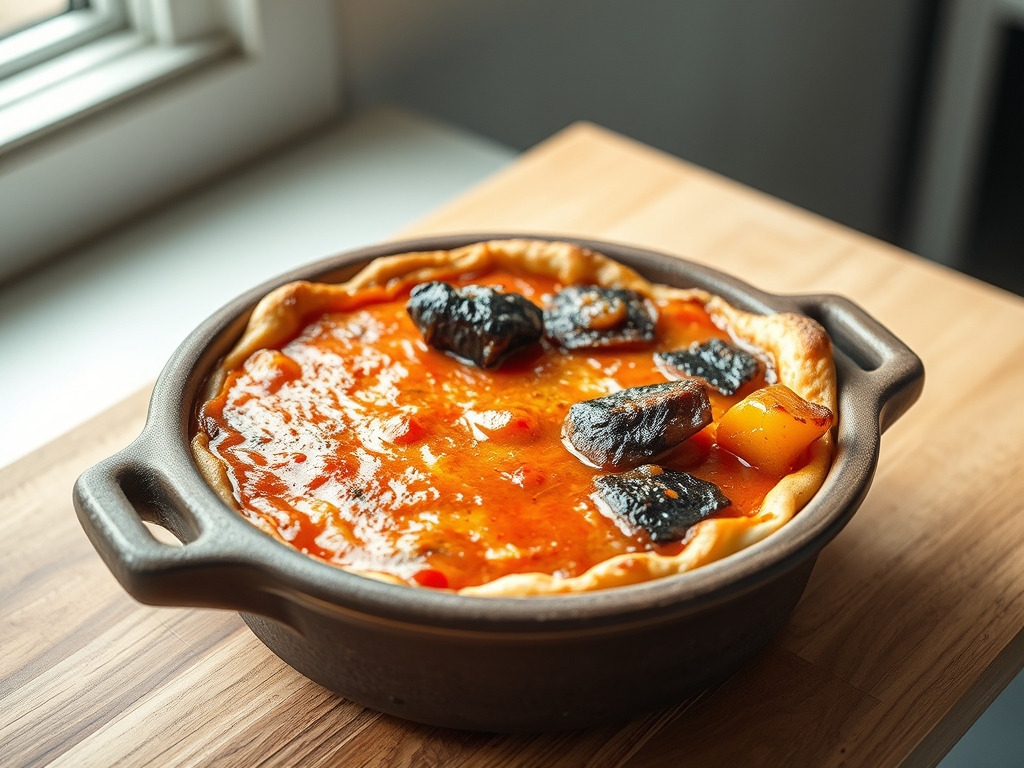
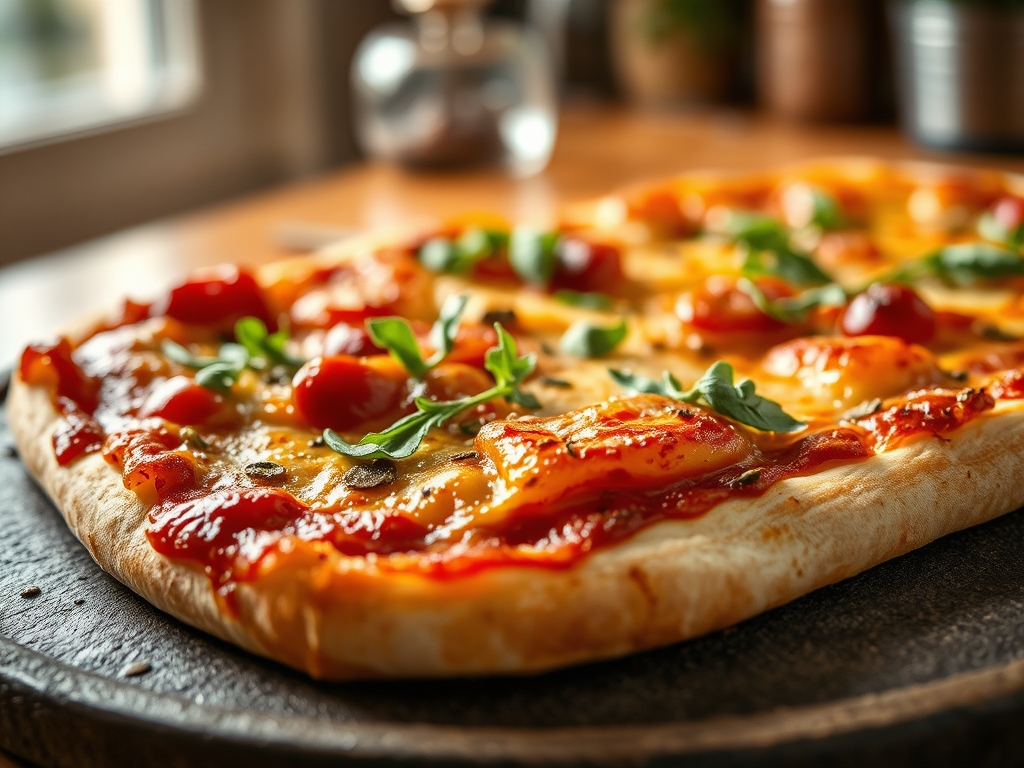
Listen to the roar of the preheated oven as it screams for raw dough. This is not just cooking; it is a high-stakes engineering feat where the difference between a soggy, limp tragedy and a shattered-glass crust lies entirely in the efficiency of Pizza Stone Conduction. You are the architect of this thermal exchange. When that cold, hydrated dough hits a surface radiating at five hundred degrees, a violent transformation occurs. Moisture trapped in the lower cellular structure of the dough flashes into steam, forcing the crumb to aerate and expand before the proteins can even set. This is the "oven spring," a fleeting window of opportunity where physics dictates the final texture. If your thermal mass is insufficient, the dough absorbs the heat without rebounding, resulting in a dense, leaden base. We are here to audit your infrastructure, ensuring your stone acts as a high-capacity battery, discharging heat with surgical precision to create that iconic, charred leopard-spotting. Prepare for a total sensory overhaul.
THE DATA MATRIX
| Metric | Specification |
|---|---|
| Prep Time | 24 – 72 Hours (Fermentation) |
| Execution Time | 8 – 12 Minutes |
| Yield | 4 Individual 12-inch Neapolitan Bases |
| Complexity (1-10) | 8 (Requires Thermal Management) |
| Estimated Cost per Serving | $1.85 USD |
THE GATHERS
Ingredient Protocol:
- 600g / 4.75 cups "00" High-Protein Flour
- 390ml / 1.65 cups Filtered Water (Room Temperature)
- 18g / 1.2 tbsp Sea Salt (Fine Grain)
- 2g / 0.5 tsp Active Dry Yeast
- 10ml / 2 tsp Extra Virgin Olive Oil (Optional for browning)
- 150g / 0.6 cup San Marzano Tomato Puree
- 250g / 8.8 oz Fresh Buffalo Mozzarella (Drained)
Section A: Ingredient Quality Audit:
If your flour lacks the necessary protein content (below 12%), the structural integrity will collapse under the weight of the moisture. Technical Fix: Supplement with vital wheat gluten or switch to a dedicated "00" milling. If your water is too chlorinated, it will inhibit yeast activity, leading to a flat, lifeless dough. Technical Fix: Use filtered or spring water to ensure the yeast can infuse the dough with carbon dioxide effectively. If your cheese is too viscous or wet, it will release excess whey during the bake, flooding your crust. Technical Fix: Slice the mozzarella and let it weep on paper towels for at least four hours prior to deployment.
THE MASTERCLASS
1. The Hydration Phase
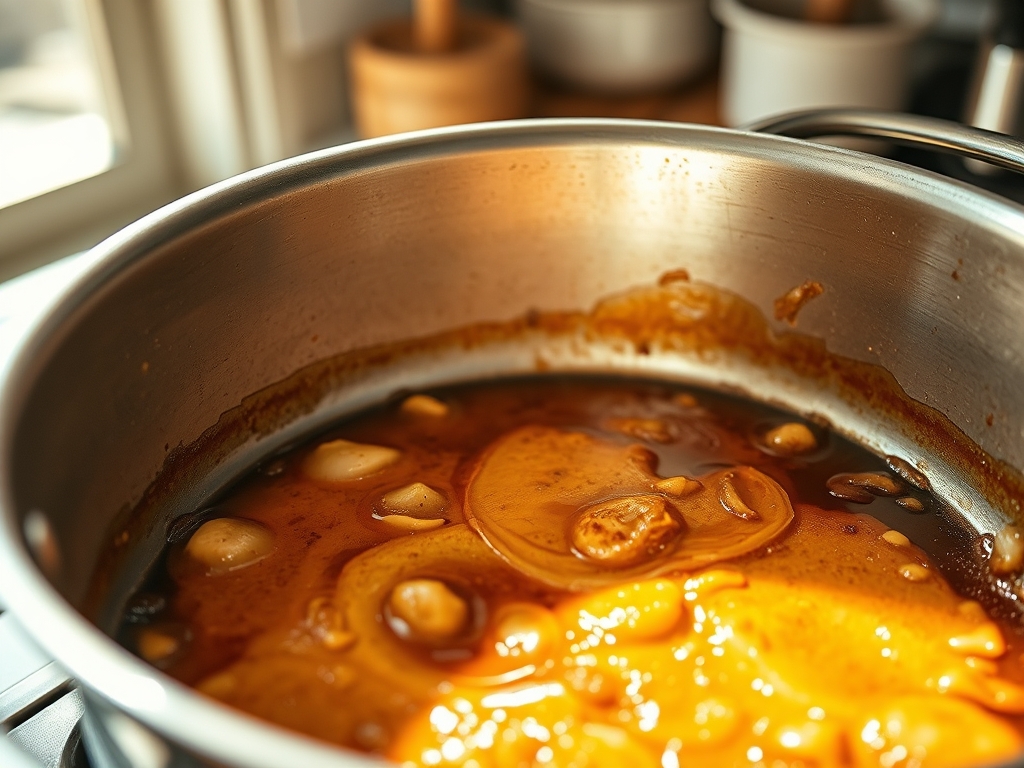
Combine your flour and water in a large ceramic bowl. Use a digital scale for every measurement; volumetric guessing is the enemy of consistency. Mix until a shaggy mass forms and let it rest for thirty minutes to initiate autolyse.
Pro Tip: This resting period allows the flour to fully hydrate, making the dough more extensible and easier to stretch without tearing.
2. The Kinetic Development
Incorporate the salt and yeast. Transfer the mass to a clean surface and use a bench scraper to manage the stickiness as you perform a series of stretch-and-folds. You are looking to develop a gluten network that can trap gas.
Pro Tip: Do not overwork the dough until it becomes tough. You want to render the surface smooth and elastic, not rubbery.
3. The Cold Fermentation Protocol
Place the dough in a sealed container and refrigerate for 24 to 72 hours. This is where the complex, piquant flavors develop as enzymes break down starches into simple sugars.
Pro Tip: Cold fermentation slows down yeast activity, allowing for a more controlled gas release and a superior Maillard reaction during the bake.
4. The Thermal Saturation
Place your pizza stone on the middle rack of the oven. Crank the heat to its maximum setting at least sixty minutes before the first pizza enters. This ensures the core of the stone has reached maximum Pizza Stone Conduction capacity.
Pro Tip: A stone that is only "surface hot" will lose its temperature instantly when the dough touches it. You need deep thermal mass to sustain the bake.
5. The Launch and Execution
Dust your peel with semolina. Stretch the dough gently, top with a thin layer of saucier-quality tomato puree, and slide it onto the stone with a confident flick of the wrist.
Pro Tip: Use a digital infrared thermometer to verify the stone has reached at least 500 degrees Fahrenheit before launching.
Section B: Prep & Timing Fault-Lines:
The most common failure is the "thermal gap" caused by opening the oven door too frequently. Every time the seal is broken, you lose the convection current necessary to cook the top of the pizza. Correction: Use the oven light to monitor the crust. Another fault-line is the "cold dough catastrophe." If you launch dough straight from the fridge, the temperature shock will cause the stone to crack. Correction: Always allow dough balls to reach room temperature for two hours before stretching.
THE VISUAL SPECTRUM
Section C: Thermal & Visual Troubleshooting:
Observe the photo above. You should see a "cornicione" (the outer rim) that is puffed and displays distinct "leopard spotting" or small, charred blisters. If your crust is a uniform, dull tan, your Pizza Stone Conduction was too low. Solution: Increase preheat time or move the stone closer to the top heating element. If the bottom is burnt but the cheese hasn't melted, your stone is too hot or too close to the bottom element. Solution: Use a parchment paper buffer for the first two minutes of the bake to slow the initial heat transfer. If the center of the pizza is soggy, you have overloaded the toppings, preventing the steam from escaping. Solution: Less is more; ensure your sauce is not too viscous.
THE DEEP DIVE
Macro Nutrition Profile:
A standard 12-inch Neapolitan pizza provides approximately 800-900 calories. It is high in complex carbohydrates and provides a moderate protein hit from the gluten and mozzarella. Sodium levels can be high, so adjust the sea salt in the dough if you are monitoring intake.
Dietary Swaps:
- Vegan: Replace buffalo mozzarella with a cashew-based ferment or a high-moisture vegan melt. Use agave in the dough to assist with browning.
- Keto: This infrastructure relies on gluten. For Keto, you must swap the flour for a blend of almond flour, psyllium husk, and egg whites, though you will lose the "shatter" of the crust.
- Gluten-Free: Use a high-quality GF flour blend containing xanthan gum. Increase hydration by 5% to compensate for the lack of traditional protein structure.
Meal Prep & Reheating Science:
To maintain the molecular structure when reheating, avoid the microwave at all costs. The microwave agitates water molecules, turning the crust into a rubbery mess. Instead, return the slice to a preheated skillet over medium heat. This re-activates the Pizza Stone Conduction principles, crisping the bottom while the steam from a covered lid melts the cheese.
THE KITCHEN TABLE
Why does my pizza stick to the stone?
Usually, this is due to high moisture in the dough or a stone that wasn't hot enough. Ensure you use enough semolina on the peel and that your stone has preheated for a full hour.
Can I use a baking sheet instead of a stone?
A baking sheet lacks the thermal mass required for professional results. It will warp and lose heat instantly. If you lack a stone, a heavy cast-iron inverted pan is a superior substitute.
How do I clean my pizza stone?
Never use soap; the porous material will absorb it and ruin future pizzas. Scrape off burnt debris with a bench scraper once the stone is completely cool and wipe with a damp cloth.
What is the "Leopard Spotting" everyone talks about?
Those small charred bubbles are a sign of long fermentation and high-heat conduction. They provide a bitter contrast to the sweet tomato sauce, creating a complex flavor profile that defines elite pizza.