Listen to the sound of a true New York specimen. It is not the soft puff of a dinner roll or the dry snap of a cracker. It is a violent, rubbery resistance that gives way to a dense, malted interior. This specific texture is the result of a precise biochemical event known as Bagel Crust Boiling. Without this step, you are merely baking circular bread. When you plunge a proofed ring of dough into a boiling alkaline bath, you are initiating a surface starch gelatinization protocol. The heat hydrates the starch granules on the exterior, causing them to swell and form a viscous, translucent film. This layer acts as a physical barrier, trapping gases inside while preventing the dough from expanding too rapidly in the oven. The result is a skin that is thick, shiny, and impossibly chewy. We are not just cooking; we are engineering a structural masterpiece. If you miss the mark on the pH levels or the timing of the dunk, your bagel will be dull, wrinkled, and structurally compromised.
THE DATA MATRIX
| Metric | Specification |
|---|---|
| Prep Time | 24 Hours (Cold Fermentation) |
| Execution Time | 45 Minutes |
| Yield | 12 Bagels |
| Complexity (1-10) | 8 |
| Estimated Cost per Serving | $0.45 |
THE GATHERS
Ingredient Protocol:
- 800g / 6.25 cups High-Protein Bread Flour (14% protein preferred)
- 460ml / 1.9 cups Filtered Water (65 degrees F)
- 10g / 2 tsp Instant Yeast
- 18g / 1 tbsp Fine Sea Salt
- 30g / 1.5 tbsp Barley Malt Syrup (Dough)
- 60g / 3 tbsp Barley Malt Syrup (Boiling Water)
- 5g / 1 tsp Baking Soda (Optional for enhanced browning)
- Cornmeal or Semolina for dusting
Section A: Ingredient Quality Audit:
The most common failure point in bagel infrastructure is the protein content of the flour. If you use standard All-Purpose flour, the crumb will be too soft and the skin will lack the necessary tension. Audit Fix: If high-gluten flour is unavailable, supplement your bread flour with 20g of vital wheat gluten to increase the structural integrity. Another frequent error is using honey instead of barley malt syrup. While honey provides sweetness, it lacks the complex sugars required for a deep, piquant Maillard reaction. Audit Fix: Always prioritize diastatic malt powder or barley malt syrup to ensure the enzyme activity necessary for that signature crust color. Finally, if your water is excessively "hard" or mineral-heavy, it can tighten the gluten too much, making the dough difficult to shape. Use filtered water to maintain a neutral baseline.
THE MASTERCLASS
Step 1: The Long Cold Fermentation
After mixing your dough with a heavy-duty stand mixer or a sturdy bench scraper, you must allow for a 24-hour cold retard in the refrigerator. This allows the yeast to slowly produce organic acids and CO2 without over-proofing.
Pro Tip: Cold fermentation is essential for flavor development; it allows the enzymes to break down starches into simple sugars, which will later caramelize during the Bagel Crust Boiling phase. Use a digital scale to ensure each dough ball is exactly 115g for thermal consistency.
Step 2: The Alkaline Bath Calibration
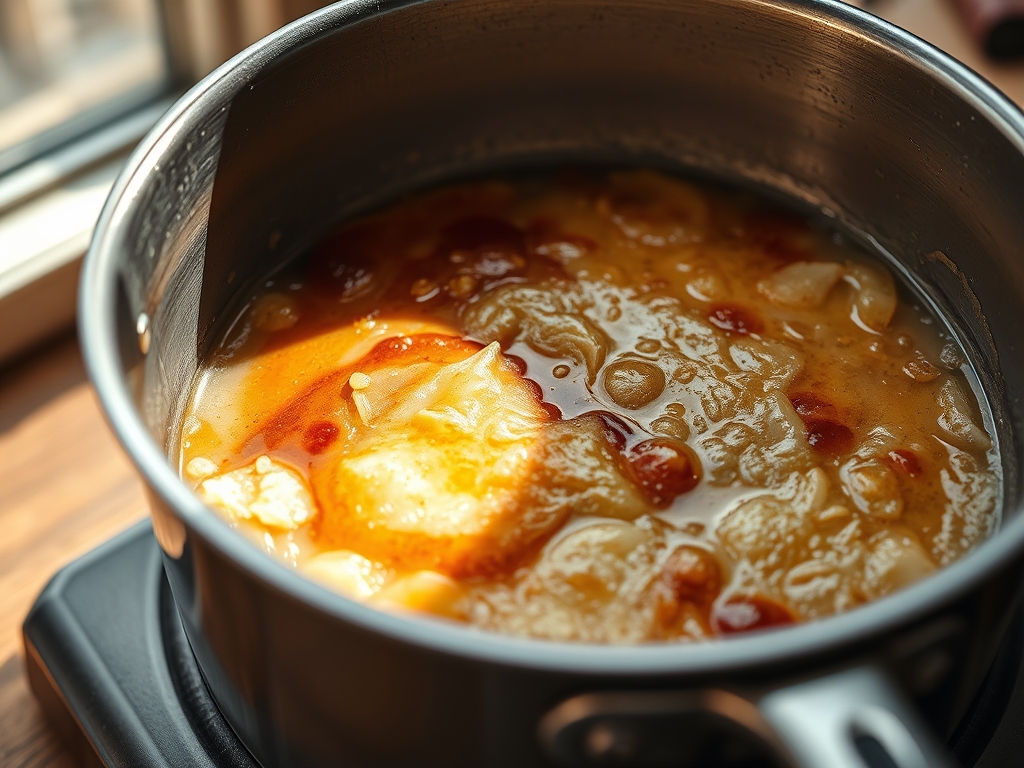
Fill a wide saucier or a shallow stockpot with water and bring it to a rolling boil. Integrate the barley malt syrup and baking soda. The goal is to create a high-pH environment.
Pro Tip: The alkalinity of the water increases the rate of the Maillard reaction. By increasing the pH on the surface of the dough, you allow browning to occur at lower temperatures, ensuring a dark crust without drying out the interior.
Step 3: The Precision Dunk
Gently drop three bagels at a time into the boiling water. They should float immediately. Boil for 45 seconds per side for a standard chew, or 90 seconds for a "tough" traditional crust.
Pro Tip: Use a slotted stainless steel spider to flip the bagels. The longer the boil, the thicker the gelatinized starch layer becomes, which physically restricts the "oven spring" and creates a denser, more authentic crumb.
Step 4: Seeding and Setting
Immediately after removing the bagels from the water, place them on a wire rack to drain for 30 seconds before dipping them into your toppings. This allows the surface to remain tacky enough for the seeds to adhere without the water washing them away.
Pro Tip: The residual heat from the boil starts the cooking process of the exterior proteins. If you wait too long to seed, the surface will dry and the "everything" mix will simply slide off.
Step 5: The High-Heat Thermal Blast
Transfer the bagels to a preheated stone or heavy baking sheet at 450 degrees F. Bake for 15 to 18 minutes until the crust reaches a deep mahogany hue.
Pro Tip: Use an infrared thermometer to ensure your baking stone has reached the target temperature. The initial contact heat is vital for setting the bottom crust before the top begins to dehydrate.
Section B: Prep & Timing Fault-Lines:
If your bagels sink to the bottom of the pot and stay there, your fermentation is the culprit. This "sinker" status indicates the dough has not produced enough gas or was not brought to room temperature for long enough before boiling. Technical Fix: Perform a "float test" with a small piece of dough in a bowl of water before committing the whole batch to the pot. If the bagels are over-proofed, they will deflate the moment you touch them. In this case, reduce the boiling time to 20 seconds per side to minimize structural collapse.
THE VISUAL SPECTRUM
Section C: Thermal & Visual Troubleshooting:
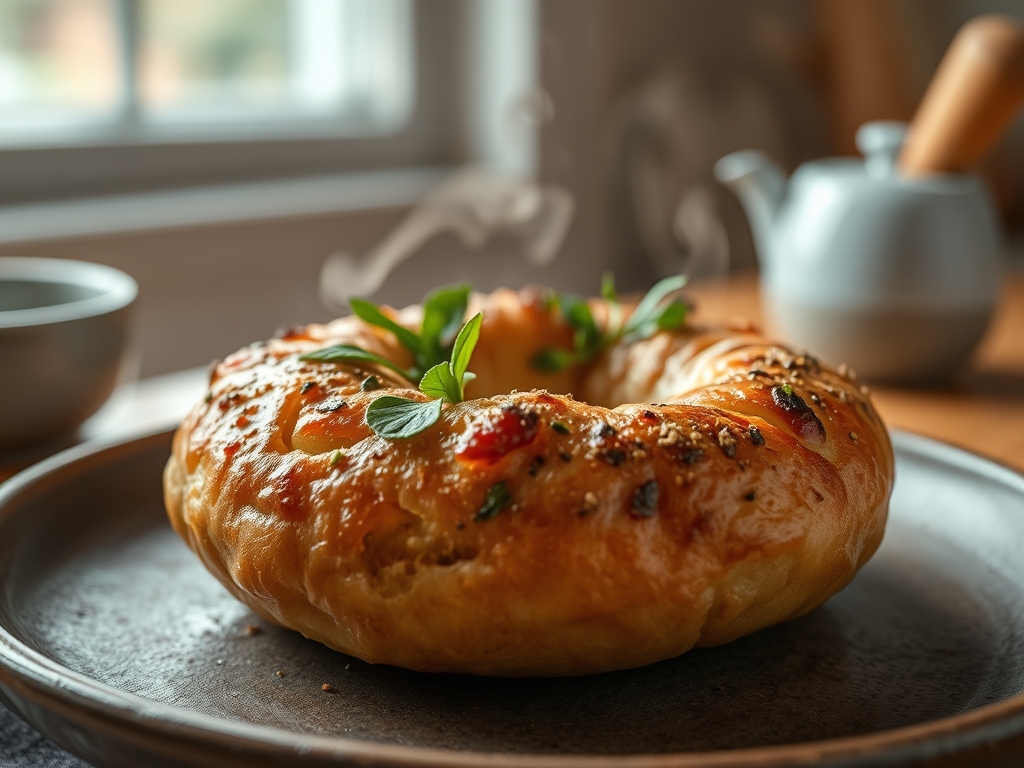
Referencing the Masterclass photo, a perfect bagel should exhibit "micro-blisters" on the surface. These tiny bubbles are a sign of a long, cold fermentation and proper Bagel Crust Boiling. If your bagels are smooth and matte, you likely skipped the cold retard or the water wasn't hot enough. If the bagels appear pale or "blonde" despite a long bake, your boiling water lacked sufficient malt syrup or baking soda. Visual Cue: Look for a glossy, varnished sheen. This is the result of the starch molecules aligning into a flat, light-reflecting plane during the boiling phase. If the crust looks "shriveled" like a raisin, you boiled them for too long, causing the interior structure to weaken and pull the skin inward as it cooled.
THE DEEP DIVE
- Macro Nutrition Profile: A standard 115g bagel contains approximately 320 calories, 65g of carbohydrates, 11g of protein, and 2g of fat. The boiling process does not significantly alter the caloric density but does lower the glycemic index slightly by modifying the starch structure.
- Dietary Swaps: For a Vegan protocol, ensure your malt syrup is certified; most are, but some "honey-malted" varieties exist. For Gluten-Free requirements, use a blend of rice flour and xanthan gum, though the boiling time must be halved to prevent the dough from dissolving.
- Meal Prep & Reheating Science: To maintain the molecular integrity of the crust, never refrigerate a finished bagel; this accelerates starch retrogradation (staling). Freeze them in airtight bags. When reheating, a light mist of water before toasting will re-gelatinize the surface starches, restoring the original "snap."
THE KITCHEN TABLE
Why do my bagels have large holes instead of a tight crumb?
This is usually caused by over-hydration or over-proofing. Bagel dough should be stiff and low-moisture. If the dough is too wet, the CO2 bubbles expand too much, ruining the dense, chewy texture required for an authentic audit.
Can I use sugar instead of barley malt syrup in the water?
You can, but the results will be inferior. White sugar provides sweetness but lacks the enzymatic complexity of malt. Your crust will be sweet and brown, but it will lack the traditional "earthy" depth and piquant aroma.
Why did my toppings all fall off after baking?
Adhesion occurs during the "tacky" phase immediately after boiling. If the bagel surface dries before you apply the seeds, they won't stick. Ensure you seed the bagels within sixty seconds of exiting the boiling bath for maximum grip.
Is the baking soda really necessary in the water?
While barley malt is the primary flavor driver, baking soda increases the alkalinity. This speeds up the Maillard reaction, giving you that dark, professional "sheen" that is difficult to achieve with malt alone in a home oven environment.