Listen to the sound of a structural collapse that signifies a culinary triumph. When you compress a loaf of authentic sourdough, the Rye Bread Crust should not merely bend; it should shatter like artisanal glass. This is not the soft, yielding skin of a supermarket brioche. We are dealing with a high-stakes architectural feat governed by pentosans and complex starches. The aroma is a violent collision of deep cocoa, scorched molasses, and a fermented tang that hits the back of your palate before the first bite even registers. To achieve this, we must manipulate the viscous nature of rye flour, a grain that behaves more like a hydraulic fluid than a structural powder. We are looking for a mahogany finish so dark it borders on the obsidian. This crust is the protective casing for a crumb that remains moist for days, acting as a moisture-locking barrier that utilizes the Maillard reaction to its absolute limit. If your kitchen does not smell like a medieval forge by the time we are done, you have failed the audit.
THE DATA MATRIX
| Metric | Specification |
|---|---|
| Prep Time | 45 Minutes (Active) |
| Execution Time | 18 to 24 Hours (Fermentation Included) |
| Yield | 2 Large Boules |
| Complexity (1-10) | 8 |
| Estimated Cost per Serving | $0.85 USD |
THE GATHERS
Ingredient Protocol:
- 500g / 4 cups Dark Rye Flour (Whole Grain)
- 300g / 2.5 cups Bread Flour (High Protein)
- 600ml / 2.5 cups Filtered Water (Room Temperature)
- 20g / 1.5 tbsp Sea Salt
- 200g / 0.75 cup Active Rye Sourdough Starter
- 15g / 1 tbsp Molasses (Optional for color depth)
- 10g / 2 tsp Caraway Seeds (To infuse the crumb)
Section A: Ingredient Quality Audit:
If your rye flour feels dusty and pale, it lacks the bran density required for a superior Rye Bread Crust. Low-quality rye will fail to hold water, leading to a gummy interior and a lackluster, grey exterior. To fix this, increase your hydration by 5 percent and add a teaspoon of malt powder to kickstart the enzymatic activity. If your sourdough starter is sluggish, do not proceed. A weak starter cannot aerate the dense rye matrix, resulting in a brick rather than a loaf. Feed your starter twice in the twelve hours preceding the mix to ensure maximum CO2 production.
THE MASTERCLASS
Step 1: The Autolyse Phase
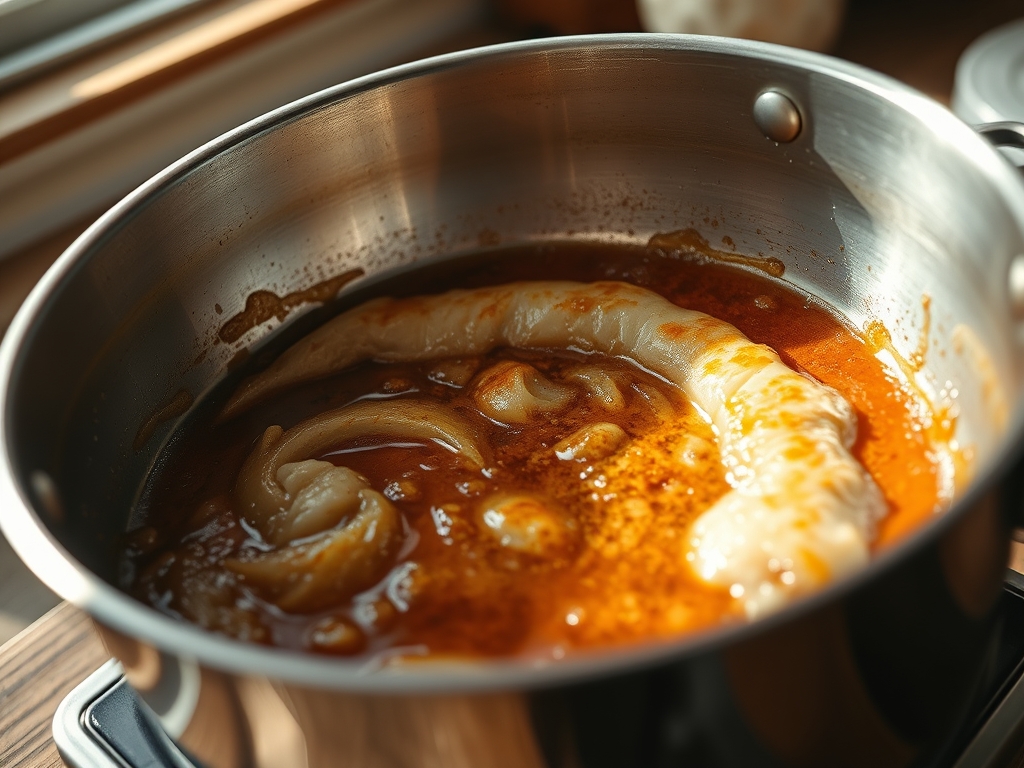
Combine your flours and water in a large ceramic bowl. Use a sturdy wooden spoon or your hands to incorporate the ingredients until no dry pockets remain. Let this mixture rest for sixty minutes. This allows the pentosans in the rye to fully hydrate, creating a viscous paste that will eventually form the foundation of your crust.
Pro Tip: Use a digital scale for every gram. Volumetric measurements are the enemy of consistency in high-hydration rye baking. A digital scale ensures the ratio of water to pentosan is exact every time.
Step 2: Incorporating the Culture
Add your active rye starter and molasses to the hydrated flour. Use a bench scraper to fold the dough over itself. Because rye contains very little gluten compared to wheat, you are not looking for a windowpane test. You are building a structural gel. Work the dough until it feels cohesive and heavy.
Pro Tip: A bench scraper is your best friend here. Rye dough is notoriously sticky; the scraper allows you to manipulate the mass without adding excess flour, which would toughen the final Rye Bread Crust.
Step 3: Bulk Fermentation and Folding
Place the dough in a transparent container to monitor growth. Over the next four hours, perform three sets of folds. You are not kneading; you are gently stretching the mass to trap the gases produced by the wild yeast. The dough should expand by about 50 percent.
Pro Tip: Keep the environment at a steady 75 degrees Fahrenheit. Use a probe thermometer to check the internal temperature of the dough. Temperature control is the difference between a piquant tang and an overwhelming sourness.
Step 4: Cold Retardation
Shape the dough into boules and place them in floured proofing baskets. Cover them and transfer to the refrigerator for 12 to 15 hours. This cold environment slows down yeast activity while allowing lactic acid bacteria to thrive, deepening the flavor profile and preparing the starches for the oven.
Pro Tip: This long, cold rest is essential for the Rye Bread Crust. It allows the surface starches to break down into simple sugars, which will caramelize intensely during the bake.
Step 5: The High-Heat Execution
Preheat your oven and a heavy Dutch oven to 500 degrees Fahrenheit. Score the top of the loaf with a sharp bread lame. Carefully drop the dough into the pot, add two ice cubes under the parchment paper to create instant steam, and seal the lid. Bake for 20 minutes, then remove the lid and drop the temperature to 450 degrees for another 25 minutes.
Pro Tip: The steam is what creates the shine on the Rye Bread Crust. Without it, the surface dries out too quickly, preventing the loaf from expanding and resulting in a dull, matte finish.
Section B: Prep & Timing Fault-Lines:
The most common failure is rushing the cooling process. If you cut into a rye loaf while it is still warm, the internal steam will escape, and the crumb will turn into a gelatinous mess. You must wait at least four hours; ideally twelve. Another timing error is over-proofing in the fridge. If the dough collapses when you score it, you have let the fermentation go too long. Aim for a "springy" feel where the dough resists a light finger poke.
THE VISUAL SPECTRUM
Section C: Thermal & Visual Troubleshooting:
Look at the Masterclass photo above. Notice the deep, variegated shades of mahogany and the sharp, defined edges of the score marks. If your crust is a uniform, pale tan, your oven temperature was too low or your fermentation was too short. If the crust is thick and hard like a shell but the inside is doughy, you likely skipped the steaming phase or your Dutch oven was not preheated sufficiently. A perfect Rye Bread Crust should have "micro-blisters" on the surface, which are tiny bubbles caused by the cold fermentation and high-heat steam interaction. If the bottom is burnt while the top is pale, move your baking rack higher in the oven and place a spare baking sheet on the bottom rack to deflect direct heat.
THE DEEP DIVE
Macro Nutrition Profile:
Rye is a nutritional powerhouse compared to refined wheat. It is exceptionally high in dietary fiber, specifically beta-glucan, which aids in heart health. A standard slice contains approximately 120 calories, 4g of protein, and 5g of fiber. The fermentation process also lowers the glycemic index, making it a superior choice for blood sugar management.
Dietary Swaps:
- Vegan: This recipe is naturally vegan.
- Keto: True rye is not keto-compliant due to starch content. However, you can substitute 30 percent of the flour with flaxseed meal to lower the net carbs, though the crust texture will become softer.
- Gluten-Free: Achieving a traditional Rye Bread Crust without gluten is impossible as rye itself contains secalin (a form of gluten). Use a dedicated GF sourdough blend for a similar flavor, but the structural shattering effect will be absent.
Meal Prep & Reheating Science:
To maintain the molecular structure, store the loaf in a paper bag, never plastic. Plastic traps moisture and turns that glorious crust into a rubbery skin. To revive a day-old loaf, spray the crust lightly with water and place it in a 350-degree oven for six minutes. This re-gelatinizes the starches and restores the crunch.
THE KITCHEN TABLE
Why is my rye bread so sticky when I mix it?
Rye contains high levels of pentosans which absorb massive amounts of water. This creates a viscous, glue-like consistency. Do not add more flour; use wet hands or a bench scraper to handle the dough effectively without ruining the ratios.
Can I bake this without a Dutch oven?
Yes, but you must simulate the environment. Use a heavy baking stone and place a cast iron skillet on the bottom rack. Pour boiling water into the skillet when you load the bread to create the necessary steam.
What causes the crust to pull away from the crumb?
This is often caused by under-proofing or improper shaping. If the exterior sets before the interior has finished expanding, the force of the rising crumb will tear the internal structure away from the Rye Bread Crust.
How do I get a darker color without burning the bread?
Add a tablespoon of dark cocoa powder or extra molasses to the dough. These ingredients provide the precursors for the Maillard reaction, allowing for a deep, obsidian color at standard baking temperatures without carbonizing the sugars.