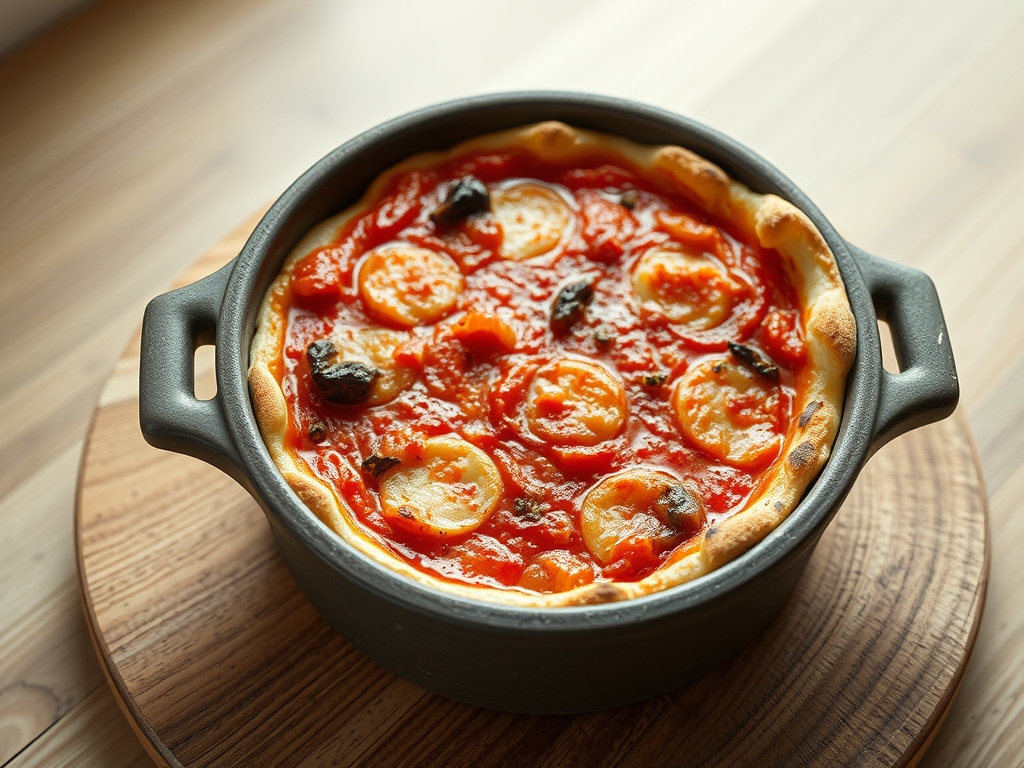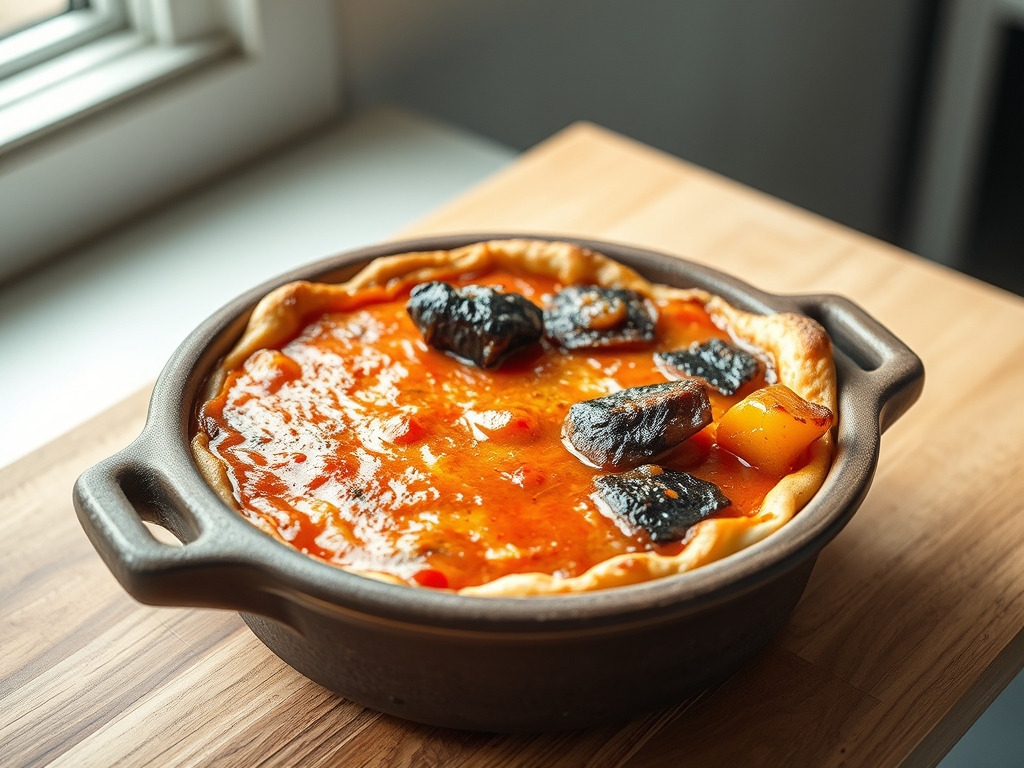
Forget the soggy, limp disappointment of traditional gluten-free crusts that crumble under the slightest pressure of a dessert fork. We are entering the realm of high-performance lipid engineering. The Almond Flour Tart is not merely a recipe; it is a structural challenge involving the suspension of nut proteins within a stabilized fat matrix. Imagine a golden, burnished perimeter that offers a sharp, buttery snap before dissolving into a rich, toasted finish on the tongue. This is the gold standard of low-carb pastry. We are looking for a specific textural profile: a shortcrust that mimics the traditional pate sablee without the glycemic spike of refined wheat. To achieve this, we must respect the unique behavior of almond oils. If you treat this like standard dough, you will fail. If you treat it like a thermal management project, you will conquer the kitchen. We are here to audit your technique, optimize your ratios, and ensure that every micron of fat is perfectly emulsified to create a structural masterpiece that defies its grain-free origins.
THE DATA MATRIX
| Metric | Specification |
|---|---|
| Prep Time | 15 Minutes |
| Execution Time | 20 Minutes |
| Yield | 1 9-inch Tart Shell |
| Complexity (1-10) | 3 |
| Estimated Cost per Serving | $0.85 |
THE GATHERS
Ingredient Protocol:
- 280g / 2.5 cups Super-Fine Blanched Almond Flour
- 56g / 0.25 cups Erythritol or Monk Fruit Sweetener (Granulated)
- 1.5g / 0.25 tsp Fine Sea Salt
- 56g / 4 tbsp Unsalted Grass-Fed Butter (Melted)
- 5ml / 1 tsp Pure Vanilla Extract
- 1 Large Egg (Room Temperature)
Section A: Ingredient Quality Audit:
The primary failure point in an Almond Flour Tart is the particle size of the meal. If your flour looks like sawdust, your tart will feel like sand. Ensure you are using super-fine blanched flour; the absence of skins prevents a gritty mouthfeel and allows for better protein bonding. If your flour has absorbed ambient moisture, it will become viscous and heavy. Technical fix: Spread the flour on a baking sheet and dehydrate it in a 200F oven for ten minutes before measuring. Furthermore, the choice of fat is critical. Using a cheap, high-water-content butter will cause the crust to steam rather than crisp. Opt for European-style butter with at least 82 percent butterfat to ensure a clean, rendered snap. If the dough feels too oily, your flour-to-fat ratio is skewed by the grind of the nut; add one tablespoon of coconut flour to act as a moisture wick.
THE MASTERCLASS
1. Dry Component Integration
Place your almond flour, sweetener, and salt into a large glass bowl. Use a digital scale for these measurements; volumetric cups are the enemies of precision. Use a whisk to aerate the mixture, breaking up any clumps of almond protein.
Pro Tip: Aeration ensures that the melted fat can coat every individual grain of flour. This prevents "fat pockets" that lead to structural collapse during the bake. A fine-mesh sieve can also be used to ensure the flour is perfectly homogenous.
2. Lipid and Emulsifier Fusion
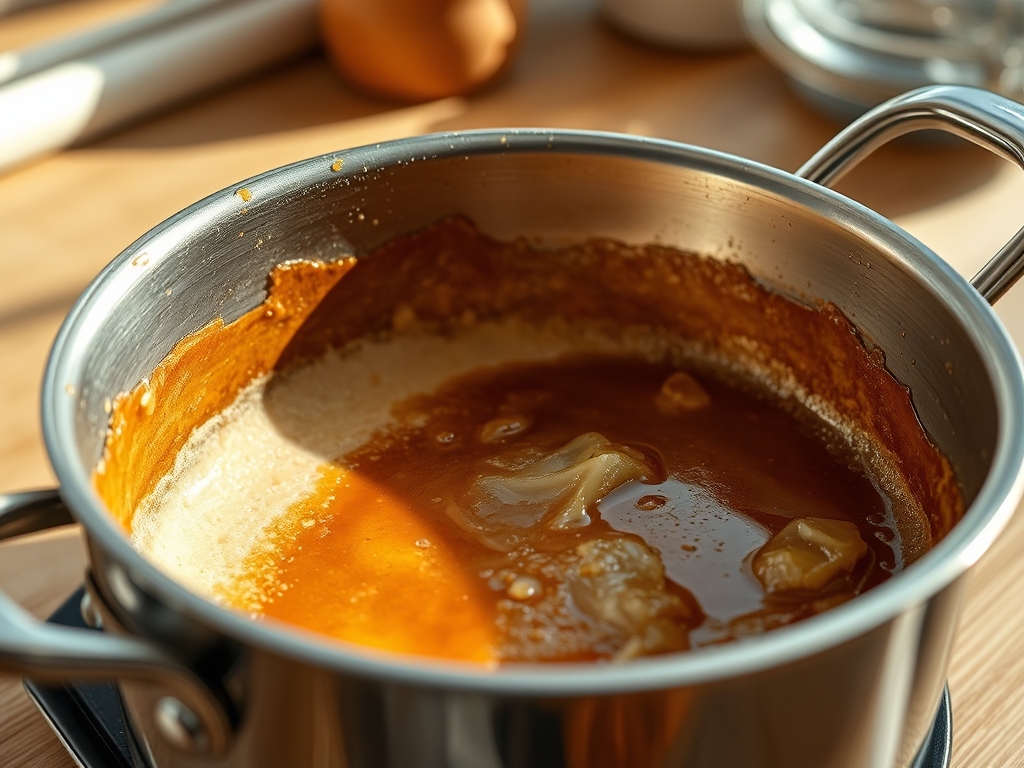
In a small saucier, melt the butter over low heat until just liquid. Do not let it brown yet. Whisk the room-temperature egg and vanilla extract into the butter. Slowly pour this mixture into the dry ingredients while stirring with a bench scraper or stiff spatula.
Pro Tip: The egg acts as a binder, compensating for the lack of gluten. By ensuring the egg is at room temperature, you prevent the melted butter from seizing, which would create an uneven, lumpy texture in the final crust.
3. The Compression Phase
Transfer the dough into a 9-inch tart pan with a removable bottom. Use the flat base of a measuring cup to compress the dough firmly against the bottom and up the sides. The thickness must be uniform to ensure even heat distribution.
Pro Tip: Use a bench scraper to trim the top edges for a professional, clean finish. Compression is vital because almond flour lacks the elastic network of wheat; mechanical pressure is what provides the structural integrity needed to hold heavy fillings.
4. Thermal Stabilization
Prick the bottom of the crust several times with a fork to prevent air bubbles. Bake at 350F (175C) for 10 to 12 minutes, or until the edges reach a pale golden hue.
Pro Tip: This is a "blind bake" process. Because nut flours have a high oil content, they undergo the Maillard reaction much faster than wheat. Watch the oven closely; the transition from "perfectly toasted" to "acrid and burnt" happens in a matter of seconds.
Section B: Prep & Timing Fault-Lines:
The most common human error is the "Cold Egg Catastrophe." If you add a cold egg to melted butter, the lipids solidify instantly, creating beads of fat that will leak out in the oven. If this happens, place the entire bowl over a pot of simmering water (a DIY bain-marie) and stir until the fat re-emulsifies. Another timing error involves the "Over-Bake Oversight." Remember that the tart continues to cook for several minutes after being removed from the heat. Pull the tart when it is one shade lighter than your desired end result. If the dough is too crumbly to press, it is likely too cold; use the warmth of your hands to soften the butter within the dough until it reaches a pliable, clay-like consistency.
THE VISUAL SPECTRUM
Section C: Thermal & Visual Troubleshooting:
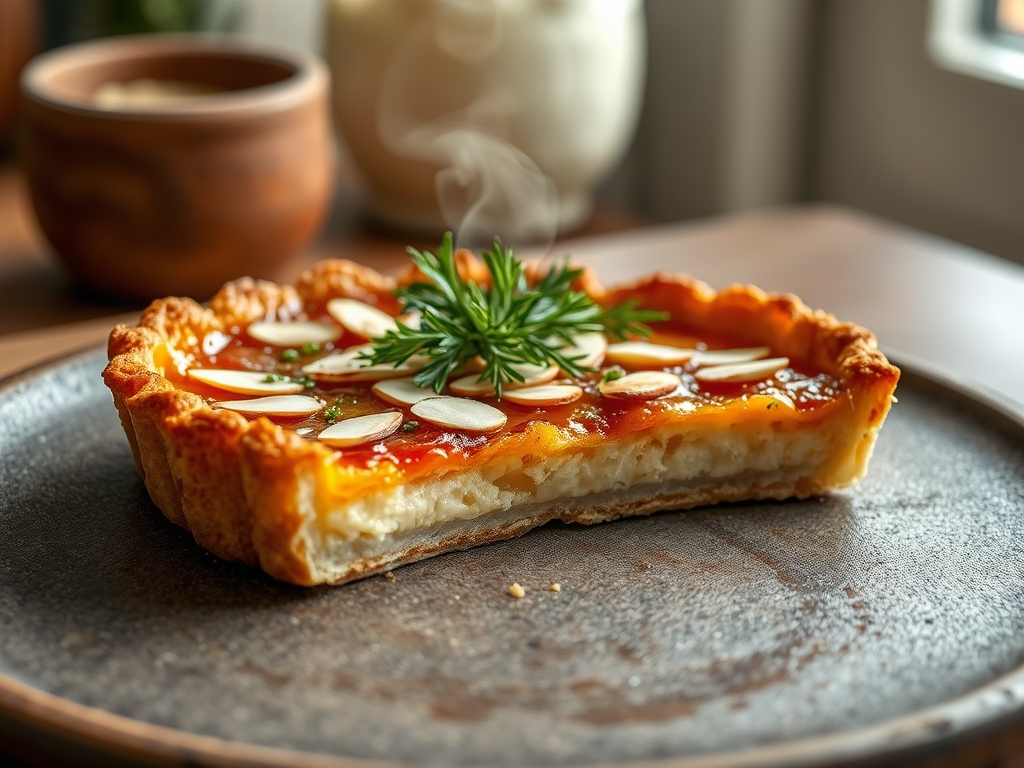
Referencing the Masterclass photo, your Almond Flour Tart should exhibit a uniform, matte-gold finish with distinct, sharp fluting along the edges. If you see dark brown spots, your sweetener was not properly distributed, causing localized caramelization. If the center looks "wet" or translucent, the lipids have separated; this usually indicates the oven temperature was too low, allowing the fat to melt before the egg proteins could set. A dull, greyish color suggests old flour that has oxidized. To fix a "shrunken" crust, ensure you are pressing the dough slightly over the top of the rim before baking; as the proteins tighten, the crust will pull down to the perfect height. If the bottom is soggy, you likely skipped the "docking" step with the fork, trapped steam, and prevented the base from dehydrating properly.
THE DEEP DIVE
Macro Nutrition Profile:
A standard slice (1/8th of the tart) delivers approximately 210 calories, 19g of fat, 6g of protein, and only 3g of net carbs. The high monounsaturated fat content from the almonds provides a stable energy source without the insulin spikes associated with traditional pastry.
Dietary Swaps:
To make this Vegan, replace the butter with chilled coconut oil (solid state) and the egg with a "flax egg" (1 tbsp ground flax mixed with 3 tbsp water). Note that the snap will be slightly softer. For a Keto boost, infuse the butter with a hint of cinnamon or lemon zest to mask the cooling effect of certain sugar alcohols.
Meal Prep & Reheating Science:
Almond flour is hygroscopic; it loves to pull moisture from the air. To maintain the molecular structure, store the baked shell in an airtight container with a desiccant pack if possible. When reheating, use a toaster oven at 300F for 5 minutes. Avoid the microwave at all costs; it agitates water molecules and turns your crisp lipid matrix into a rubbery mess.
THE KITCHEN TABLE
Why is my tart crust falling apart?
This usually stems from insufficient compression or a cold egg preventing proper emulsification. Ensure you press the dough firmly into the pan and use room-temperature ingredients to allow the egg proteins to bind the almond meal effectively.
Can I use almond meal instead of flour?
Almond meal contains skins and has a coarser grind. While it works, the texture will be rustic and grainy. For a professional, pastry-grade Almond Flour Tart, always opt for super-fine blanched flour to ensure a delicate crumb.
How do I prevent the edges from burning?
Since the edges are thinner, they brown faster. If the perimeter reaches a deep gold before the base is set, tent the edges with aluminum foil or use a silicone crust shield to deflect direct thermal radiation.
Does the sweetener affect the texture?
Yes. Granulated sweeteners provide a slight structural crunch. If you use a powdered version, the crust will be softer and more melt-in-your-mouth. Avoid liquid sweeteners, as they introduce excess moisture that compromises the "snap" of the tart.