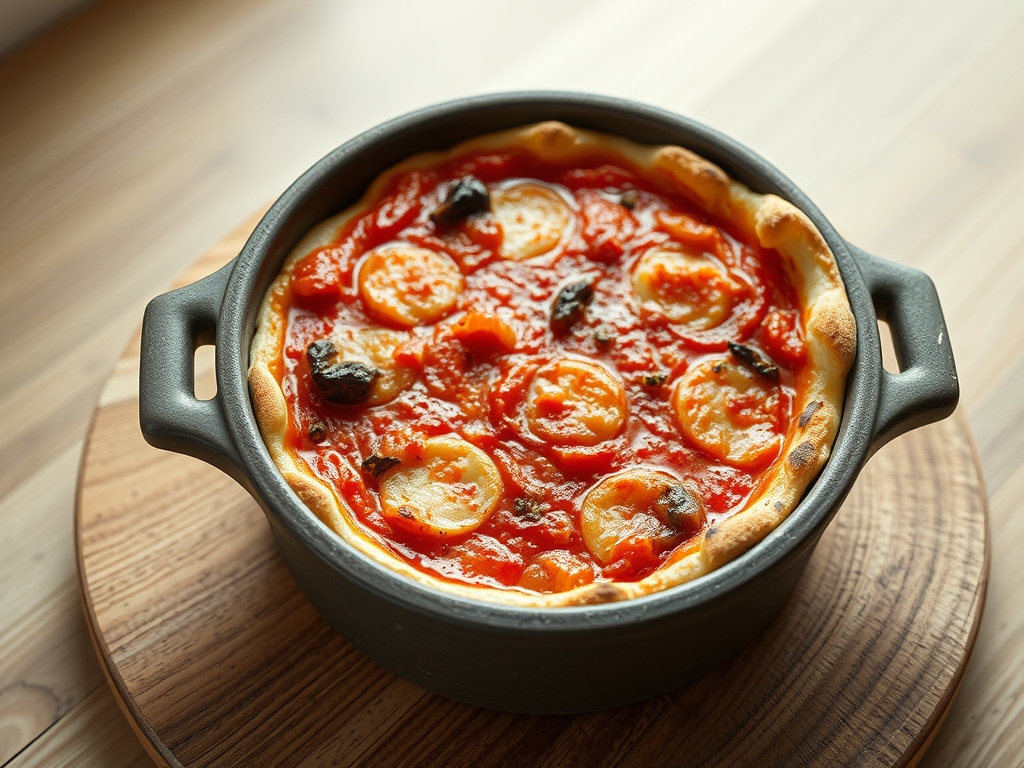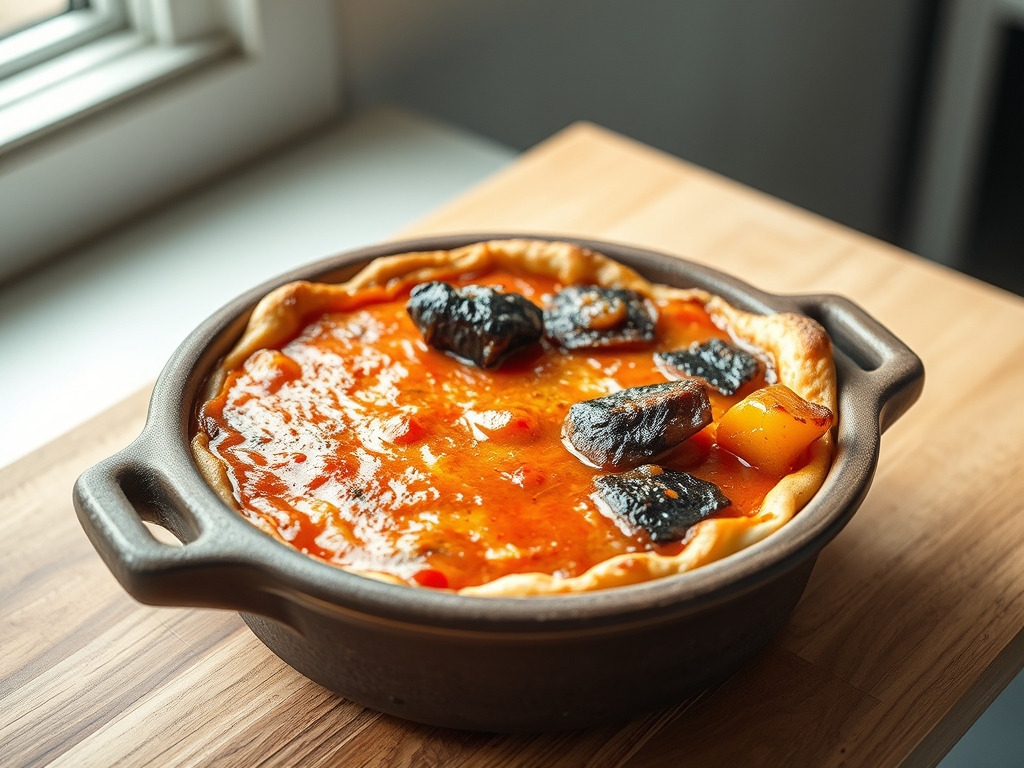
Listen to the sound of structural integrity. It is the sharp, crystalline snap of a golden crust yielding to the pressure of a canine tooth. We are not merely discussing a snack; we are auditing the physics of the Empanada Shell Bake. This is a high-stakes engineering project where fat meets flour in a violent, thermal collision. When executed with precision, the dough undergoes a radical metamorphosis. The water content in the butter or lard flashes into steam, forcing the gluten layers apart to create a microscopic honeycomb of air pockets. This is the essence of "Enclosed Air Expansion." If your crust is leaden or resembles wet cardboard, your protocol has failed. We demand a shell that is structurally sound enough to contain a viscous, piquant filling, yet delicate enough to shatter upon impact. We are looking for the Maillard reaction in its most aggressive form; a deep, mahogany tan that signals complex flavor development and a complete lack of raw starch. Prepare your workspace. The audit begins now.
THE DATA MATRIX
| Metric | Specification |
|---|---|
| Prep Time | 45 Minutes |
| Execution Time | 25 Minutes |
| Yield | 12 Units |
| Complexity (1-10) | 6 |
| Estimated Cost per Serving | $0.85 |
THE GATHERS
Ingredient Protocol:
- 500g / 4 cups All-Purpose Flour (unbleached)
- 170g / 3/4 cup Unsalted Butter (chilled and cubed)
- 240ml / 1 cup Ice Cold Water
- 1 Large Egg (room temperature for the wash)
- 10g / 2 tsp Fine Sea Salt
- 5g / 1 tsp Granulated Sugar (for browning acceleration)
- 15ml / 1 tbsp White Vinegar (to inhibit excessive gluten)
Section A: Ingredient Quality Audit:
If your flour has a protein content exceeding 11%, your Empanada Shell Bake will be tough rather than flaky. High-protein bread flours develop too much elasticity for this specific application. To fix this, replace 10% of the flour weight with cornstarch to "soften" the crumb. Furthermore, if your butter is "weeping" moisture at room temperature, it has already begun to emulsify with the air. This is a failure. Use European-style butter with at least 82% butterfat to ensure the highest possible steam-to-fat ratio. If your water is not at literal freezing temperatures, the friction from your hands will render the fat prematurely, destroying the lamination. Always use a digital scale for these measurements; volumetric cups are the enemies of consistency.
THE MASTERCLASS
1. Dry Component Integration
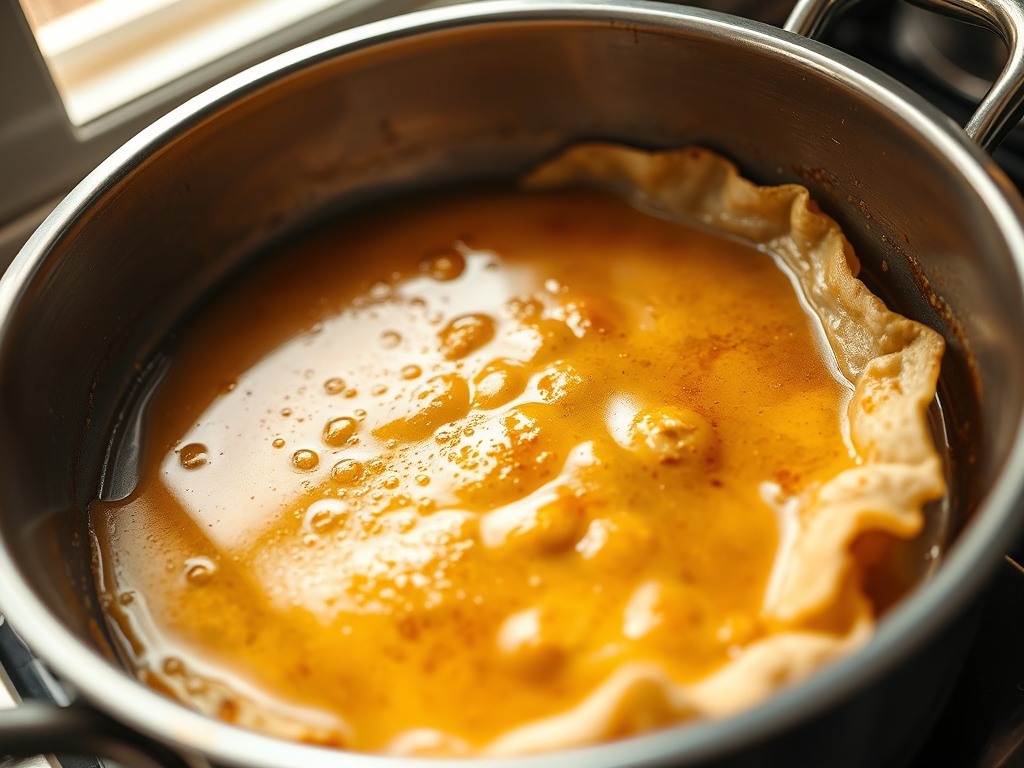
Sift the flour, salt, and sugar into a large stainless steel bowl. Using a bench scraper, cut the chilled butter into the dry mix until the fragments are the size of small peas. Do not overwork. You are looking for discrete "islands" of fat that will eventually create the steam pockets required for the Empanada Shell Bake.
Pro Tip: The science here is thermal isolation. By keeping the fat in solid chunks, you prevent it from coating the flour proteins entirely, which allows for controlled gluten development when the liquid is introduced.
2. Hydration and Acidification
Combine the ice water and vinegar. Create a well in the center of your flour and pour in 75% of the liquid. Use a silicone spatula to fold the mixture until a shaggy mass forms. If the dough is too friable, add the remaining liquid one tablespoon at a time. The dough should hold together when squeezed but should not feel viscous or sticky.
Pro Tip: Vinegar acts as a dough conditioner. The acid lowers the pH, which limits the formation of long gluten strands, ensuring the final product remains tender and easy to bite through.
3. The Chill Protocol
Flatten the dough into a disc, wrap it tightly in plastic film, and refrigerate for at least sixty minutes. This allows the starch granules to fully hydrate and the gluten to relax after the mechanical stress of mixing.
Pro Tip: Skipping this step results in "snap-back" during rolling. A relaxed dough allows for a thinner, more uniform Empanada Shell Bake without the risk of the dough shrinking during the thermal phase.
4. Precision Rolling and Shaping
On a lightly floured surface, roll the dough to a thickness of 3mm. Use a circular cutter to create uniform discs. If the dough warms up, return it to the freezer for five minutes. Place your filling in the center, fold, and use a fork or a specialized crimping tool to seal the edges.
Pro Tip: Use a digital scale to weigh each dough portion (approx 50g) before rolling. This ensures that every unit in the batch has the same thermal mass and will bake at the exact same rate.
5. The Egg Wash and Thermal Blast
Whisk the egg with a teaspoon of water and brush a thin, even layer over each empanada. Place the tray in a preheated oven at 200C (400F). Bake for 20 to 25 minutes until the exterior is a vibrant golden brown.
Pro Tip: The egg wash provides the protein required for the Maillard reaction. This is not just for aesthetics; the resulting crust adds a toasted, nutty flavor profile that balances the piquant notes of the internal filling.
Section B: Prep & Timing Fault-Lines:
The most common human error is "over-handling." If you use your bare hands to mix the dough, your body heat will melt the butter, turning a flaky pastry into a shortcrust cookie. Use a pastry blender or two knives. Additionally, if the oven is not fully preheated to the target temperature, the steam expansion will be sluggish. This results in a "greasy" bottom where the fat leaks out before the starch can set. Always use an independent oven thermometer to verify your appliance's accuracy before the Empanada Shell Bake begins.
THE VISUAL SPECTRUM
Section C: Thermal & Visual Troubleshooting:
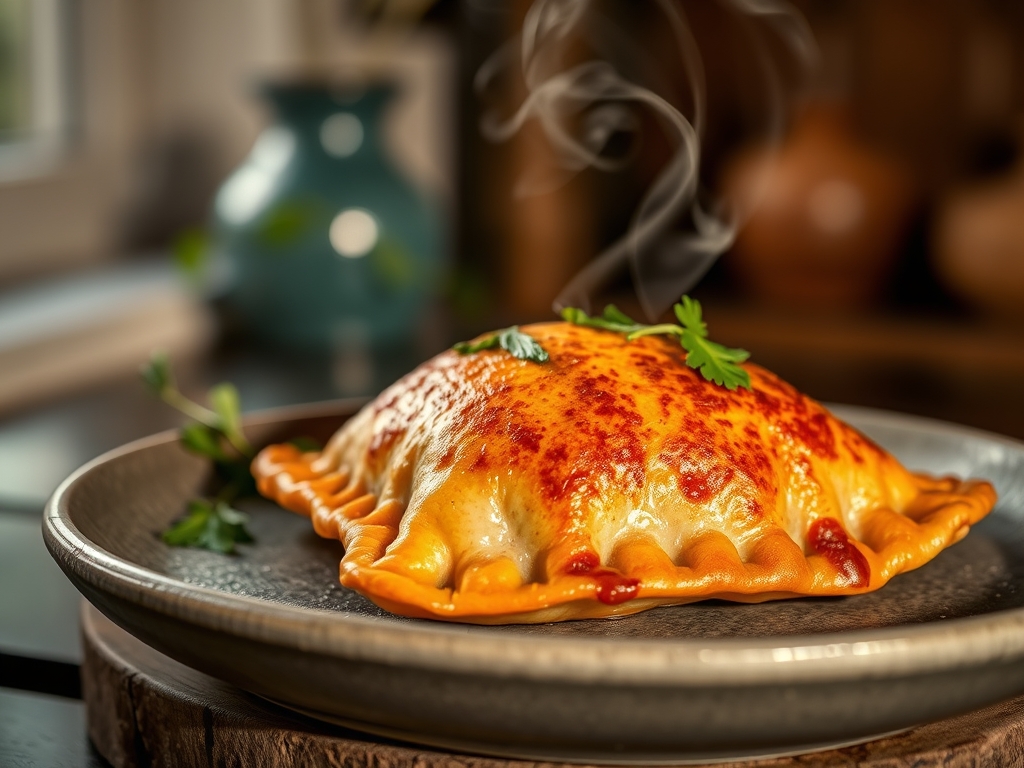
Referencing the Masterclass photo, observe the "micro-blistering" on the surface. These tiny bubbles are the hallmark of a successful Empanada Shell Bake. If your shells are smooth and matte, you likely lacked sufficient hydration or failed to aerate the flour. If the edges are dark but the center is pale, your oven has "hot spots." Rotate the tray 180 degrees halfway through the bake. If the bottom of the parcel is soggy, this indicates "leakage" from the filling. To prevent this, ensure your filling is completely cool before assembly and consider a light dusting of breadcrumbs at the base of the filling to absorb excess moisture.
THE DEEP DIVE
Macro Nutrition Profile:
A standard shell (dough only) contains approximately 180 calories, 9g of fat, 22g of carbohydrates, and 3g of protein. The high fat content is necessary for the structural flakiness but contributes to the caloric density.
Dietary Swaps:
For a Vegan audit, replace butter with a high-quality vegetable shortening or cold coconut oil. Note that coconut oil has a lower melting point, so work fast. For Gluten-Free versions, use a blend of rice flour and xanthan gum; however, the lack of gluten makes the dough brittle, requiring a "press-in" method rather than rolling. Keto versions usually rely on almond flour and mozzarella cheese (the "Fathead" dough method), which yields a softer, more bread-like result.
Meal Prep & Reheating Science:
To maintain molecular structure, never microwave a leftover Empanada Shell Bake. The microwave vibrates water molecules, turning the crust into a rubbery mess. Instead, use a toaster oven or air fryer at 175C (350F) for five minutes. This re-crisps the exterior fat layers and maintains the internal moisture without compromising the structural integrity of the "Enclosed Air Expansion."
THE KITCHEN TABLE
Why is my dough shrinking in the oven?
This is a gluten "memory" issue. You likely overworked the dough or didn't let it rest long enough. The proteins are acting like rubber bands. Let the dough rest for at least an hour before rolling to prevent shrinkage.
Can I substitute oil for butter?
Technically yes, but you will lose the flakiness. Oil creates a "mealy" crust because it coats every flour particle. Butter contains water which creates steam; oil does not. For the best Empanada Shell Bake, stick to solid fats.
How do I get that deep mahogany color?
Add a pinch of sugar to your dough and use a heavy egg wash. The sugar carmelizes, while the egg proteins undergo the Maillard reaction. Without these, your crust will look pale and unappetizing despite being fully cooked.
My filling is leaking out the sides. Help!
Your seal is failing. Ensure the edges of the dough are free of flour or grease before crimping. You can use a tiny bit of water or egg wash as "glue" on the rim before pressing the edges together.