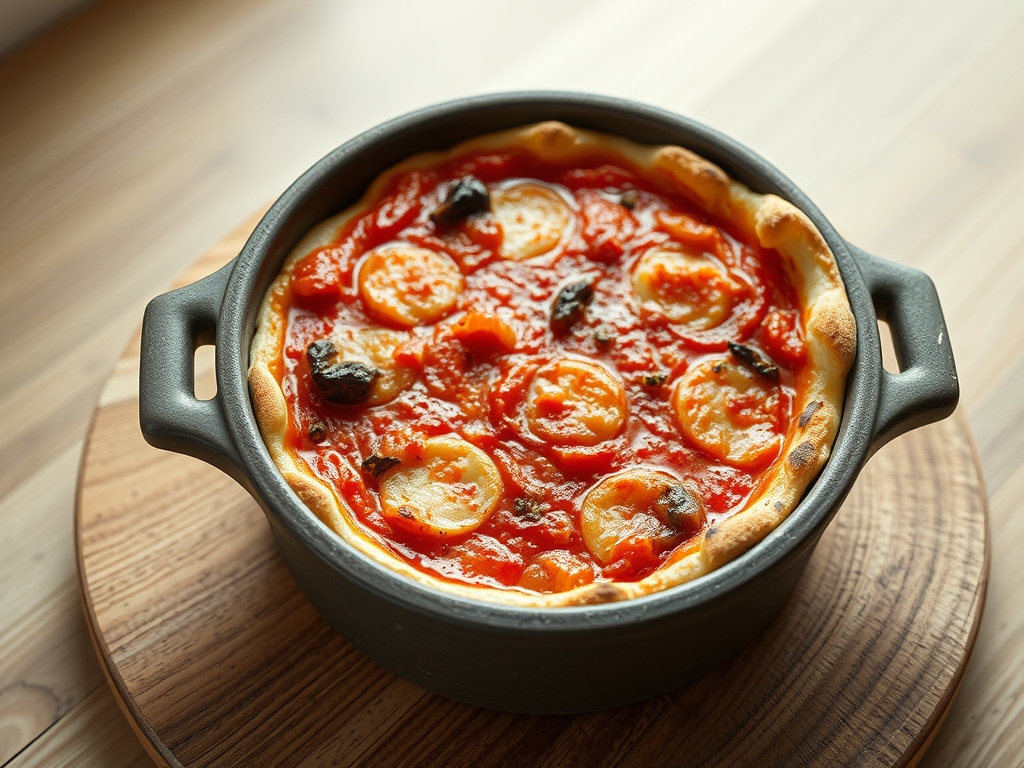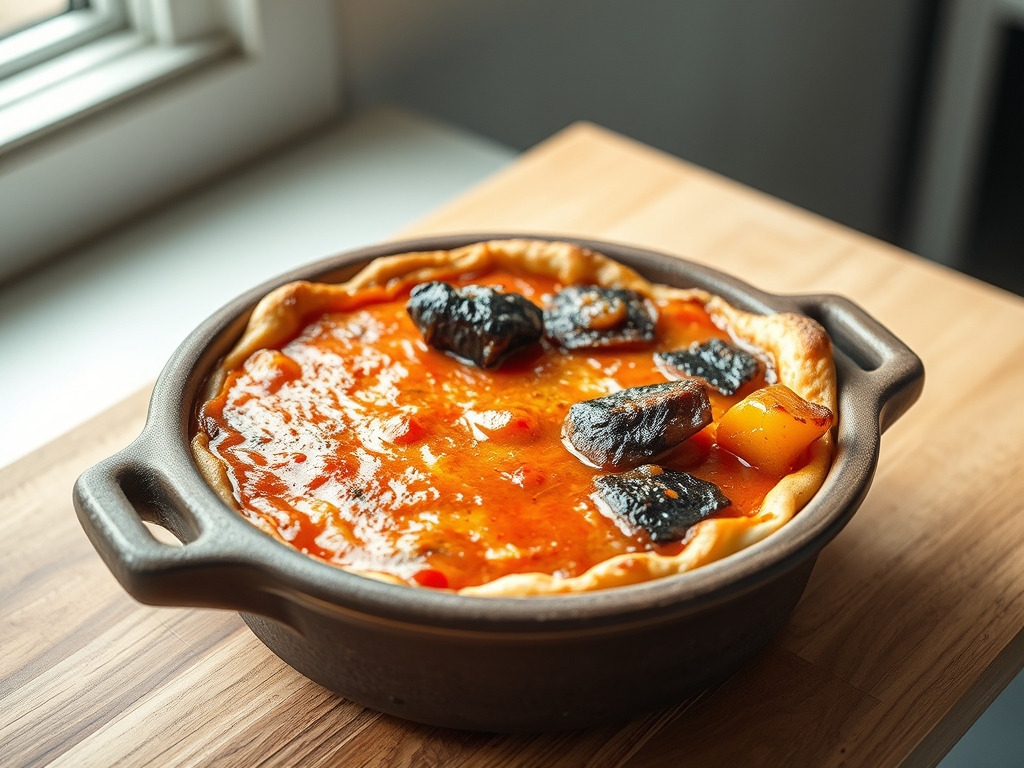
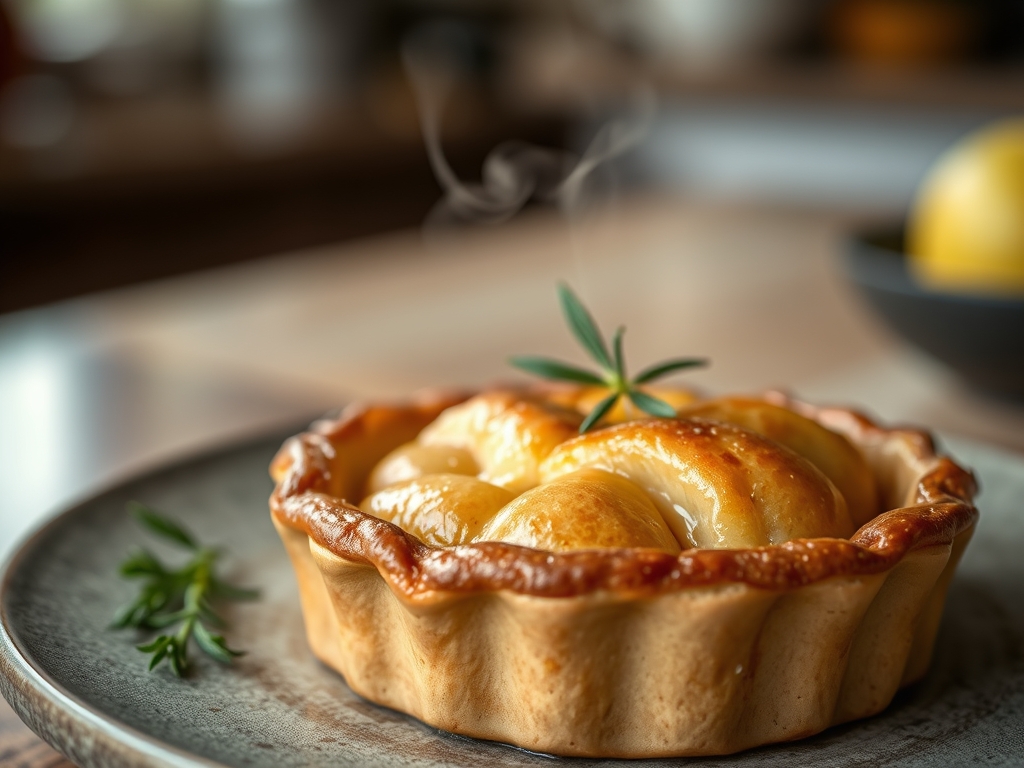
Stop looking at your dessert as a mere pastry. Start viewing it as a structural achievement in carbohydrate engineering. We are here to conduct a comprehensive Apple Pie Lid Audit; a rigorous examination of the lattice, the dome, and the crystallized sugar seal that separates a mediocre bake from a culinary masterpiece. Imagine the scent of caramelized malic acid drifting through your kitchen. Picture the steam escaping through strategically placed vents, carrying the perfume of toasted cinnamon and butter. This is not about grandma's recipe; this is about the molecular integrity of the crust. We are analyzing the friction between the fruit acid and the sucrose, ensuring the top layer achieves a shatter-crisp texture that defies gravity. If your current lids are sagging, weeping, or lacking that golden-hour glow, your infrastructure is failing. We are going to rebuild it from the flour up. Put down the rolling pin and pick up your digital scale. It is time to audit your technique and optimize your results for maximum sensory impact.
THE DATA MATRIX
| Metric | Specification |
|---|---|
| Prep Time | 45 Minutes |
| Execution Time | 60 Minutes |
| Yield | 1 9-inch (23cm) Infrastructure |
| Complexity (1-10) | 8 |
| Estimated Cost per Serving | $1.25 USD |
THE GATHERS
Ingredient Protocol:
- 500g / 4 cups All-Purpose Flour (11.5% protein content)
- 340g / 1.5 cups Unsalted European Butter (82% butterfat), chilled and cubed
- 10g / 2 tsp Fine Sea Salt
- 150ml / 0.6 cup Ice-cold Water
- 1.3kg / 3 lbs Granny Smith Apples, peeled and sliced 5mm thick
- 200g / 1 cup Granulated Sugar (for the internal matrix)
- 50g / 0.25 cup Demerara Sugar (for the lid crystallization)
- 5g / 1 tsp Ground Saigon Cinnamon
- 30ml / 2 tbsp Fresh Lemon Juice
- 1 Large Egg + 15ml / 1 tbsp Heavy Cream (for the structural wash)
Section A: Ingredient Quality Audit:
If your butter has a high water content, your crust will steam rather than flake. The fix is to use European-style butter with at least 82% fat to ensure the render of the lipids creates distinct layers. If your apples are too soft or lack acidity, the filling will become a viscous sludge. Audit your fruit by checking for turgor pressure; the apple should snap, not bend. To fix low-acid fruit, increase the lemon juice by 5ml to ensure the fruit acid interacts correctly with the pectin. If your flour is too high in protein (bread flour), the lid will be tough. Aerate your flour before measuring to prevent over-packing, which leads to a dense, leaden structure.
THE MASTERCLASS
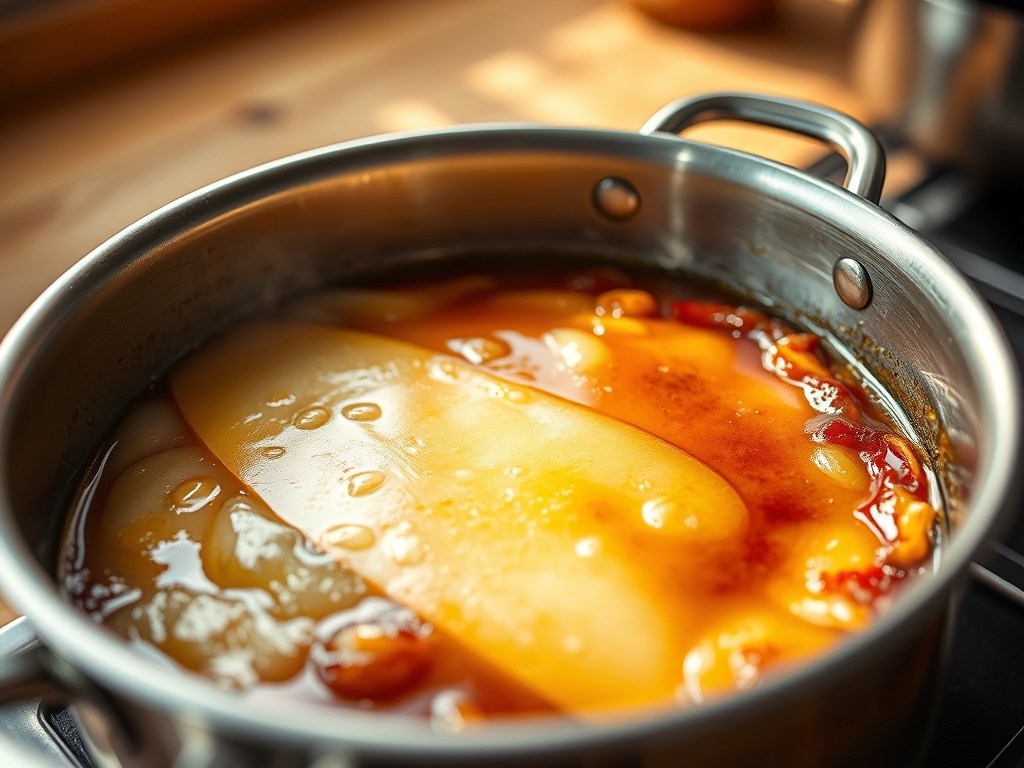
1. The Lipid Integration Phase
Begin by combining your chilled butter cubes with the flour and salt. Use a metal bench scraper to cut the fat into the dry ingredients until the mixture resembles coarse crumbs with some pea-sized chunks remaining.
Pro Tip: The science here is about emulsification prevention. You want discrete pockets of fat that will melt in the oven, creating steam that lifts the dough into flakes. Use a digital scale to ensure your ratios are precise to the gram.
2. Hydration and Binding
Slowly drizzle the ice water over the mixture, tossing with a fork until the dough just begins to hold together. Do not overwork the gluten. Wrap the mass in plastic and refrigerate for at least sixty minutes.
Pro Tip: Chilling allows the flour to fully hydrate and the gluten to relax. A cold dough prevents the fat from melting prematurely, which is the primary cause of a "mealy" crust.
3. The Malic Acid Preparation
In a large saucier or mixing bowl, toss the sliced apples with granulated sugar, cinnamon, and lemon juice. Let them sit for thirty minutes to macerate, then drain the excess liquid.
Pro Tip: Macerating the fruit draws out excess moisture. If you skip this, that moisture will turn to steam inside the pie, creating a "soup" that softens the bottom and creates a gap under the lid.
4. Structural Assembly and The Lid Audit
Roll out your chilled dough on a floured surface. Place the bottom layer in the tin, fill with the audited fruit, and drape the second layer over the top. Crimp the edges tightly to create a pressurized seal.
Pro Tip: Use a sharp paring knife to cut at least four vents. These act as exhaust pipes, allowing steam to escape so the lid doesn't become soggy from the inside out.
5. The Crystallization Finish
Whisk the egg and cream to create a wash. Brush the lid generously, then shower it with the Demerara sugar. Bake at 200C (400F) for twenty minutes, then reduce to 175C (350F) for the remainder.
Pro Tip: This wash facilitates the Maillard reaction, providing that deep mahogany color. The heavy Demerara crystals provide the "Infrastructure of Sugar" that gives the lid its signature crunch and structural integrity.
Section B: Prep & Timing Fault-Lines:
The most common human error is the "warm hands" syndrome. If your kitchen is over 22C (72F), your dough will fail. Use a marble board or ice packs to keep the surface cool. Another fault-line is the "rush to cut." If you slice the pie while hot, the internal viscous juices haven't set, and the lid will collapse into the void. Wait at least four hours. If the lid is browning too fast, your oven's calibration is likely off. Use an independent oven thermometer to audit your heat levels.
THE VISUAL SPECTRUM
Section C: Thermal & Visual Troubleshooting:
Look at the Masterclass photo. Notice the deep, uneven amber tones and the visible sugar crystals. If your lid looks pale and "dusty," you under-applied the wash or your oven temperature was too low to trigger caramelization. If the lid has "shrunk" away from the edges, you overstretched the dough during assembly, causing the gluten to snap back like a rubber band. To achieve the glossy, high-definition look in the photo, ensure the egg wash is applied in a thin, even film. If you see "puddling" on the surface, you used too much wash. The goal is a matte-to-gloss transition that highlights the flaky topography of the crust.
THE DEEP DIVE
Macro Nutrition Profile
Each serving (1/8th of the pie) contains approximately 420 calories, 22g of fat, 54g of carbohydrates, and 4g of protein. The high fat content is essential for the flaky texture, while the sugars provide the caloric density required for the structural lid.
Dietary Swaps
- Vegan: Replace butter with a high-quality plant-based fat block (minimum 75% fat) and use an apricot glaze instead of an egg wash.
- Keto: This is difficult given the flour requirements, but a crust made of almond flour and xanthan gum can mimic the structure, though it will lack the traditional flake.
- GF: Use a 1:1 gluten-free flour blend containing rice flour and potato starch. Add 5g of extra psyllium husk to provide the elasticity usually provided by gluten.
Meal Prep & Reheating Science
To maintain the molecular structure, never reheat in a microwave. The microwave agitates water molecules, which softens the lid and turns the crust into rubber. Instead, use a convection oven at 150C (300F) for ten minutes. This dries out the surface moisture and re-crisps the sugar lid without overcooking the fruit.
THE KITCHEN TABLE
Why is my lid separating from the fruit?
This is caused by "dome shrinkage." The fruit settles as it cooks, but the crust sets early. Macerating the apples first to reduce their volume before baking minimizes this gap and keeps the infrastructure intact.
Can I use honey instead of sugar for the lid?
Honey is a humectant, meaning it attracts water. Using honey will result in a sticky, soft lid rather than a crystallized, crunchy one. Stick to granulated or Demerara sugar for the audit-standard finish.
What if my crust is too tough to cut?
You likely over-developed the gluten by adding too much water or over-handling the dough. Next time, use the "squeeze test." The dough should just barely hold together when pressed in your palm.
Does the type of apple really matter?
Absolutely. High-acid apples like Granny Smith maintain their cellular structure under heat. Low-acid apples like Red Delicious turn to mush, compromising the internal support of your lid and leading to structural failure.