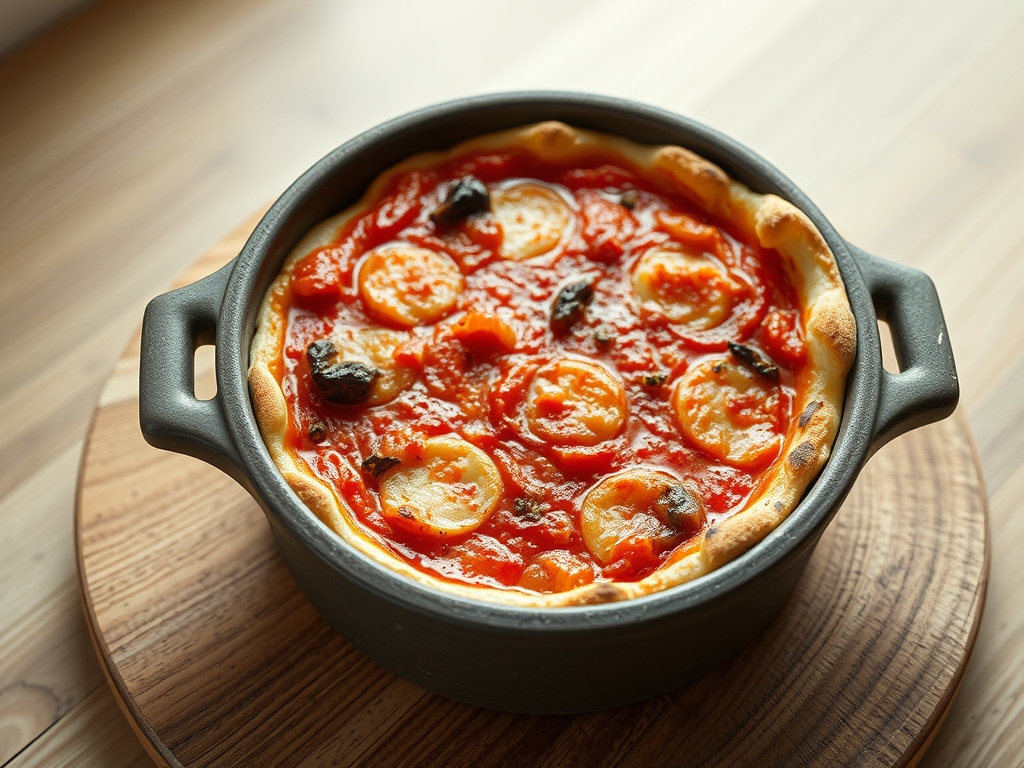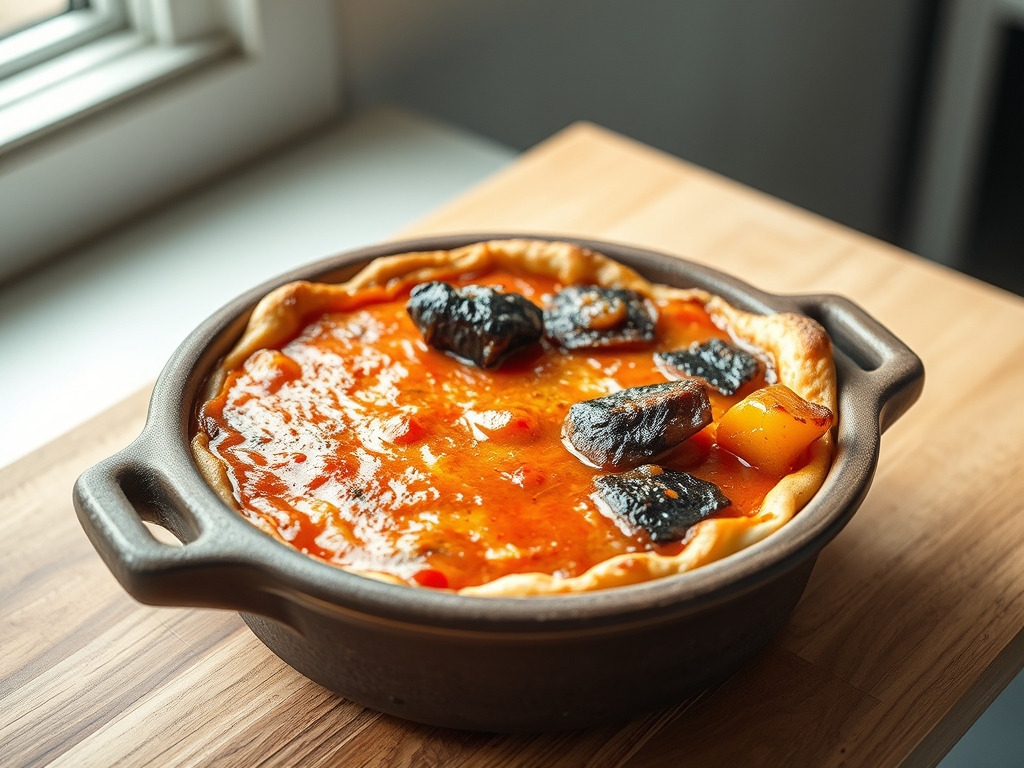
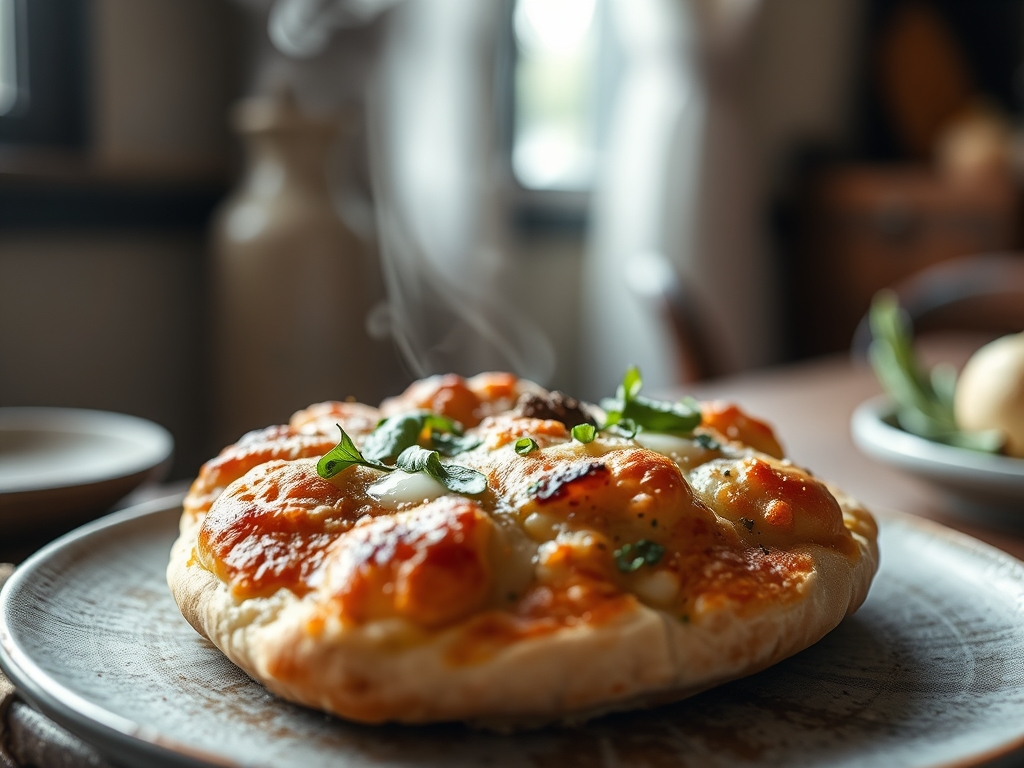
Imagine the final seconds of a high-heat bake where the dough transition is complete. The pizza emerges from the deck oven not as a mere flatbread; but as a structural marvel of golden-brown architecture. This is where the Garlic Butter Crust audit begins. We are not interested in the pedestrian application of oily residue. We are hunting for the perfect lipid-allicin infusion that penetrates the outer crust wall while maintaining a crisp, structural integrity. The scent is immediate and aggressive; it is the piquant aroma of fresh garlic cloves meeting milk solids at the point of thermal peak. As the butter begins to render, it seeps into the porous landscape of the dough, creating a micro-layer of savory richness that demands attention before the first slice is even consumed. This is the ultimate culinary upgrade for any perimeter. It transforms the discarded "pizza bones" into the most coveted real estate on the plate. We are analyzing the intersection of fat, heat, and aromatics to ensure every millimeter of that Garlic Butter Crust meets professional standards.
THE DATA MATRIX
| Metric | Specification |
|---|---|
| Prep Time | 10 Minutes |
| Execution Time | 15 Minutes |
| Yield | 4 Large Pizza Perimeters |
| Complexity (1-10) | 3 |
| Estimated Cost per Serving | $0.45 USD |
THE GATHERS
Ingredient Protocol:
- 115g / 0.5 cup Unsalted High-Fat Butter (European style preferred)
- 4-6 Large Garlic Cloves (approx. 30g)
- 5ml / 1 tsp Fine Sea Salt
- 2g / 1 tsp Dried Oregano (High-grade Mediterranean)
- 1g / 0.5 tsp Red Pepper Flakes (Optional for heat)
- 15g / 2 tbsp Freshly Grated Parmesan Cheese (24-month aged)
- 10ml / 2 tsp Fresh Parsley, finely minced
Section A: Ingredient Quality Audit:
The primary failure point in most infusions is the use of pre-minced garlic stored in water or oil. This product lacks the volatile oils necessary for a true Garlic Butter Crust and often carries a metallic aftertaste. Fix: Always use fresh, firm bulbs and a microplane to create a paste. If your butter is "weeping" excess water, you are likely using a low-quality supermarket brand with high moisture content. Fix: Switch to a butter with at least 82% butterfat to ensure a viscous and stable emulsion. If the salt feels gritty rather than integrated, your grain size is too large. Fix: Use a mortar and pestle to pulverize sea salt into a fine powder before incorporating it into the lipid base.
THE MASTERCLASS
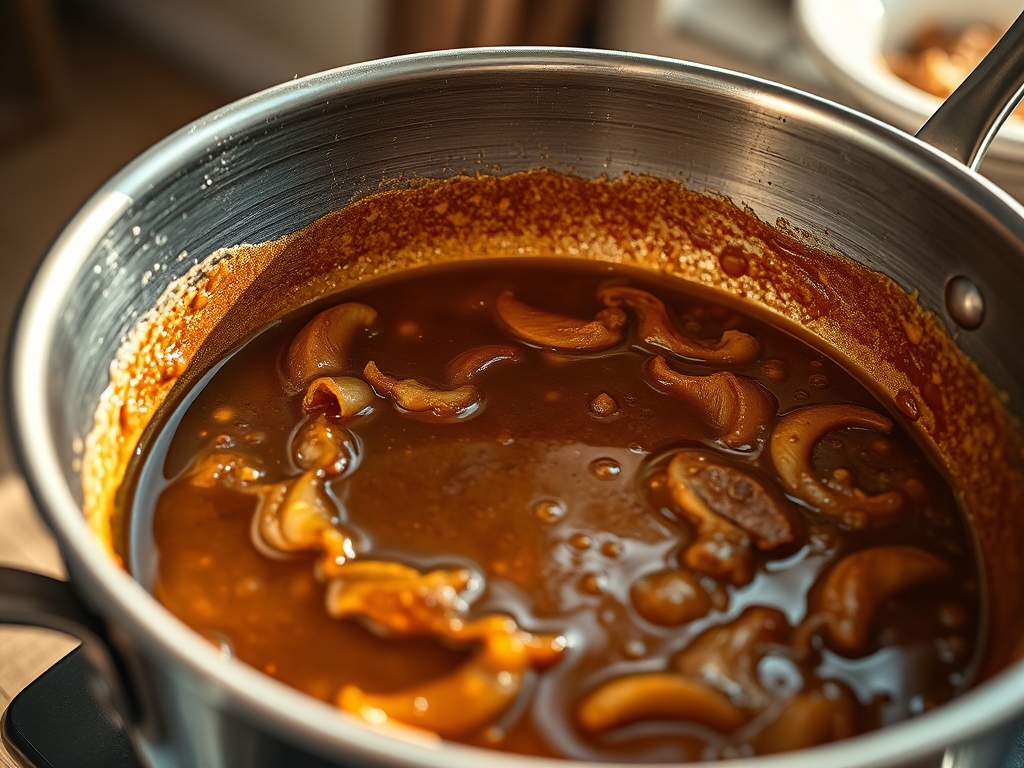
1. The Lipid Reduction
Place your unsalted butter into a small stainless steel saucier over low heat. You are looking to melt the fat without reaching the smoke point or browning the milk solids prematurely.
Pro Tip: Use a digital scale to measure your butter rather than relying on volume markers. This ensures the fat-to-garlic ratio remains consistent, preventing an overly greasy finish on the dough.
2. Allicin Activation
While the butter is melting, use a bench scraper to gather your freshly microplaned garlic. Add the garlic to the butter when it reaches approximately 140 degrees Fahrenheit (60 degrees Celsius).
Pro Tip: This temperature is the "sweet spot" where you infuse the butter with garlic flavor without scorching the delicate sugars in the allicin. Scorched garlic turns bitter and ruins the flavor profile.
3. Herb and Salt Integration
Whisk in the sea salt, dried oregano, and red pepper flakes. Allow the mixture to steep on the lowest possible heat setting for three minutes. This allows the dried herbs to rehydrate in the fat.
Pro Tip: The science of fat-soluble flavors dictates that oregano and pepper flakes release more potency when heated in a lipid than when sprinkled dry onto the dough.
4. The Emulsion Finish
Remove the saucier from the heat and whisk in the grated Parmesan and fresh parsley. The residual heat will slightly melt the cheese, creating a viscous slurry that clings to the brush.
Pro Tip: Adding the cheese off-heat prevents it from clumping into a singular rubbery mass at the bottom of the pan, ensuring even distribution across the crust.
5. The Perimeter Application
Using a silicone pastry brush, apply the mixture to the pizza crust immediately after it exits the oven. The "flash evaporation" of the remaining moisture in the dough will help pull the garlic fat into the crumb.
Pro Tip: Timing is critical. If the crust cools too much, the butter will simply sit on top rather than penetrating the surface, leading to a "heavy" mouthfeel rather than a crisp, seasoned bite.
Section B: Prep & Timing Fault-Lines:
A common error is applying the garlic butter before the pizza enters the oven. At 500 degrees Fahrenheit, the garlic solids will carbonize, turning black and acrid. Fix: Only apply the infusion during the final two minutes of baking or immediately upon removal. Another fault-line is temperature delta; if the butter is cold when applied to hot dough, it can cause the crust to turn "soggy" as the fat crashes in temperature. Fix: Keep your infusion warm (around 110 degrees Fahrenheit) in a small warming drawer or near the oven vent until the moment of application.
THE VISUAL SPECTRUM
Section C: Thermal & Visual Troubleshooting:
Observe the Masterclass photo above. Notice the "tiger spotting" or leopard-like browning on the dough. If your crust looks pale and "doughy" despite the butter application, your oven floor temperature is likely too low. Fix: Use a pizza stone or steel and preheat for at least 60 minutes. If the garlic pieces look like dark flecks rather than translucent gold, you have over-rendered the infusion. Fix: Shorten the steeping time. The visual cue for a perfect Garlic Butter Crust is a shimmering, semi-matte finish where the herbs are trapped in a thin, golden film of fat. If the crust looks "wet" or dripping, you have over-applied. Use a "dry brush" technique to spread the existing fat further rather than adding more.
THE DEEP DIVE
Macro Nutrition Profile:
A standard application (approx. 15ml) adds roughly 110 calories, 12g of fat, and 150mg of sodium per slice. While high in lipids, the flavor density allows for a more satisfying experience with less total consumption.
Dietary Swaps:
- Vegan: Replace dairy butter with a high-quality cashew-based butter or a cold-pressed olive oil. Substitute Parmesan with nutritional yeast for the same umami punch.
- Keto: The standard recipe is inherently keto-friendly. Ensure the pizza base is cauliflower or almond-flour based.
- GF: Use the same infusion protocol. Gluten-free crusts are often drier; increase the butter volume by 10% to help aerate and soften the texture.
Meal Prep & Reheating Science:
To maintain the molecular structure when reheating, avoid the microwave. The microwave causes water molecules to vibrate, which turns the crust into a rubbery mess. Instead, use an air fryer at 350 degrees Fahrenheit for 3 minutes. This re-activates the lipids and "re-crisps" the perimeter, mimicking the original bake.
THE KITCHEN TABLE
How do I prevent the garlic from burning?
Add the garlic to the butter at low temperatures (under 150F) and never apply it to the crust at the start of a high-heat bake. Residual heat is your friend for flavor extraction without carbonization.
Can I use margarine instead of butter?
Margarine has a high water content and lacks the milk solids that provide the "toasty" flavor profile. For a professional-grade Garlic Butter Crust, stick to high-fat European butter or clarified butter (ghee).
Why does my parsley turn brown?
Chlorophyll breaks down under high heat. To keep that vibrant green visual, always add fresh parsley at the very end of the infusion process, ideally after the butter has been removed from the heat source.
My butter keeps separating. What happened?
You likely overheated the butter, breaking the emulsion. To fix this, whisk in a teaspoon of warm water or heavy cream vigorously to re-bind the fats and solids into a smooth, viscous coating.