Stop settling for a soggy, lackluster exterior that slides off the protein like a failed structural integrity test. We are here to talk about the ultimate interface between heat and seafood: the Coconut Shrimp Crust. This is not merely a breading; it is a high-performance thermal shield designed to trap moisture while delivering a rhythmic, percussive crunch. When executed with precision, the shredded coconut undergoes a rapid Maillard reaction, transforming from a pale, inert flake into a golden, toasted armor. The fragrance alone is an olfactory assault of tropical sweetness and savory depth. We are auditing the very physics of adhesion. If your crust is falling away in the fryer or the oven, your protein-to-starch bonding agent has failed. We are going to fix that. Through the careful application of dredging protocols and moisture management, we will ensure that every single shrimp is encased in a rigid, flavor-dense matrix that defies the laws of standard fried appetizers. Prepare for a technical overhaul of your seafood repertoire.
THE DATA MATRIX
| Metric | Specification |
|---|---|
| Prep Time | 25 Minutes |
| Execution Time | 10 Minutes |
| Yield | 4 Servings (20-24 Large Shrimp) |
| Complexity (1-10) | 4 |
| Estimated Cost per Serving | $4.50 – $6.00 |
THE GATHERS
Ingredient Protocol:
- 500g / 1.1 lbs Jumbo Shrimp (16/20 count), peeled and deveined.
- 125g / 1 cup All-purpose flour.
- 3 Large Eggs (approx. 150ml).
- 150g / 2 cups Panko breadcrumbs.
- 200g / 2.5 cups Unsweetened shredded coconut (medium flake).
- 5g / 1 tsp Smoked paprika.
- 3g / 0.5 tsp Garlic powder.
- 10g / 2 tsp Kosher salt.
- 500ml / 2 cups Neutral high-smoke point oil (for frying).
Section A: Ingredient Quality Audit:
The primary failure point in a Coconut Shrimp Crust is often the coconut itself. If you utilize sweetened "baker's" coconut, the high sugar content will caramelize and burn long before the shrimp reaches an internal temperature of 145 degrees Fahrenheit. Always source unsweetened, desiccated coconut. If your coconut feels excessively dry or brittle, it may have lost its essential oils. To fix this, lightly aerate the flakes in a bowl with a damp paper towel draped over the top for ten minutes to restore a hint of pliability. Furthermore, ensure your shrimp are "dry-packed." If they have been treated with sodium tripolyphosphate, they will weep moisture during the cooking process, causing the crust to steam from the inside out and detach. If you detect a viscous sheen on the raw shrimp, rinse them thoroughly and pat them bone-dry with lint-free towels before beginning the dredge.
THE MASTERCLASS
Step 1: The Triple-Station Architecture
Organize three wide, shallow stainless steel bowls on your workstation. In the first, whisk the flour with salt, garlic powder, and paprika. In the second, beat the eggs until the proteins are fully broken down and the liquid is consistent. In the third, combine the panko and shredded coconut, tossing vigorously to ensure an even distribution of textures.
Pro Tip: Use a digital scale to measure your dry ingredients. Volumetric measurements are notoriously unreliable for light, airy materials like panko and coconut. Precision in the ratio of breadcrumb to coconut ensures a consistent crunch profile across every unit.
Step 2: The Primary Adhesive Layer
Take each individual shrimp by the tail and dredge it in the seasoned flour. Shake off every milligram of excess. The goal is a microscopic coating that provides a "grip" for the liquid wash. If the flour is too thick, it creates a gummy barrier that prevents the crust from crisping.
Pro Tip: Use a bench scraper to keep your workstation clean between batches. Keeping the flour station tidy prevents "clumping" which can lead to uneven patches in the final Coconut Shrimp Crust.
Step 3: The Protein Bridge
Submerge the floured shrimp into the egg wash. Ensure total coverage, including the area just under the tail. Lift the shrimp and allow the excess egg to drip back into the bowl. The egg acts as the molecular glue that will bridge the gap between the flour and the heavy coconut flakes.
Pro Tip: Incorporate a teaspoon of cold water into the eggs to slightly thin the consistency. This helps the egg infuse into the flour layer rather than sitting on top of it like a heavy blanket.
Step 4: The Final Armor Application
Press the shrimp firmly into the coconut and panko mixture. Do not just toss them; use your palm to physically anchor the flakes into the egg wash. This mechanical pressure is vital for "tropical fiber adhesion." Place the coated shrimp on a wire rack to rest for five minutes before cooking.
Pro Tip: A wire cooling rack is superior to a plate for resting. It allows air to circulate around the entire shrimp, preventing the bottom side from becoming soggy while the proteins in the egg wash begin to set.
Step 5: The Thermal Execution
Heat your oil in a heavy-bottomed saucier or cast-iron skillet to 350 degrees Fahrenheit. Fry the shrimp in small batches for 2 to 3 minutes per side. The coconut should turn a vibrant, deep gold. Remove and drain on fresh paper towels.
Pro Tip: Use an infrared thermometer to monitor oil temperature. If the temperature drops below 325 degrees, the oil will render the crust greasy rather than crisp. If it exceeds 375 degrees, the coconut will char before the interior is safe to consume.
Section B: Prep & Timing Fault-Lines:
The most common human error is "over-crowding" the pan. When too many cold shrimp are added to the hot oil simultaneously, the kinetic energy of the heat is dispersed too quickly. This results in a temperature crash. The crust then absorbs the oil rather than repelling it. Another timing fault involves the "prep-to-fry" window. If you coat the shrimp and let them sit for more than twenty minutes, the moisture from the shrimp will migrate into the coconut, ruining the structural integrity of the crunch. If you must prep in advance, flash-freeze the shrimp on a sheet tray to lock the moisture in place.
THE VISUAL SPECTRUM
Section C: Thermal & Visual Troubleshooting:
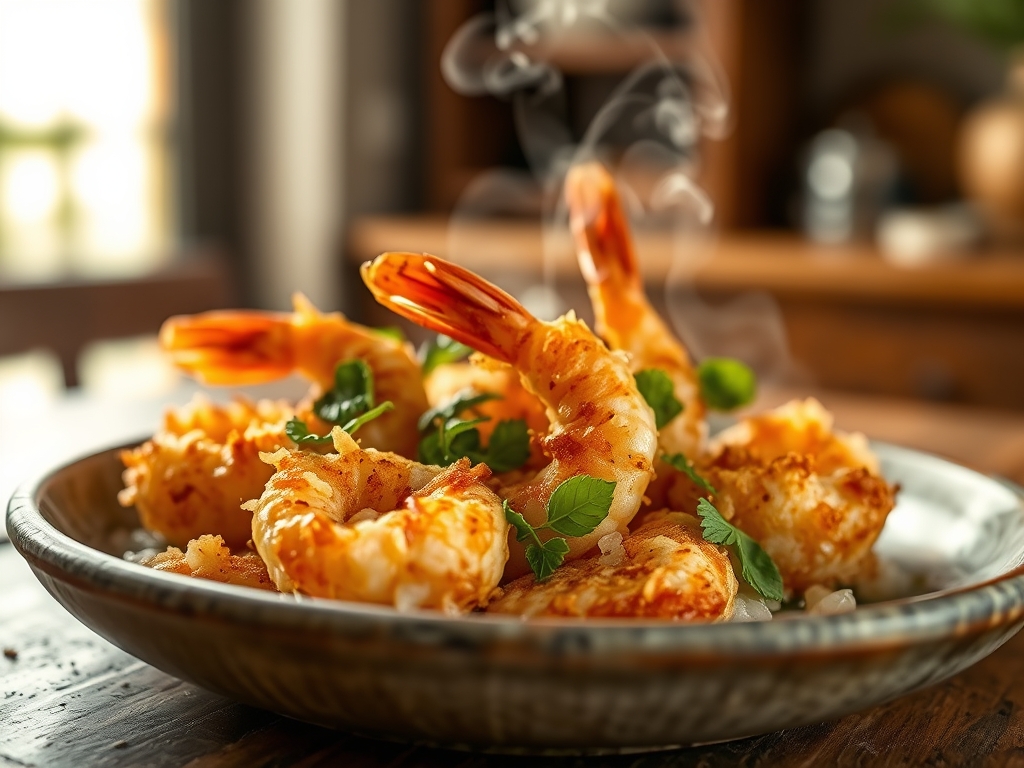
Referencing the Masterclass photo, observe the "Golden Ratio" of color. The ideal Coconut Shrimp Crust displays a variegated spectrum ranging from pale straw to deep mahogany. If your shrimp appear monochromatic and dull, you likely skipped the paprika in the flour or used stale coconut. If the flakes are falling off in the oil, your egg wash was likely too thick or the shrimp were too wet before dredging. Look for the "bristling" effect in the photo; the coconut flakes should stand out slightly from the shrimp, indicating that the steam escaped effectively during the fry. If the crust looks "flat" or plastered to the meat, your panko-to-coconut ratio is skewed toward the heavier coconut.
THE DEEP DIVE
Macro Nutrition Profile
A standard serving of four large coconut-crusted shrimp contains approximately 320 calories. You are looking at 18g of fat (primarily from the coconut and frying oil), 22g of carbohydrates, and 16g of protein. While high in flavor, the saturated fats from the coconut provide a dense energy source.
Dietary Swaps
- Vegan: Replace the shrimp with thick slices of hearts of palm or cauliflower florets. Substitute the egg wash with a slurry of chickpea flour and water.
- Keto: Eliminate the panko and flour. Use almond flour for the dredge and increase the ratio of unsweetened coconut.
- Gluten-Free: Swap all-purpose flour for white rice flour and use GF-certified panko or crushed pork rinds.
Meal Prep & Reheating Science
To maintain the molecular structure of the crust during reheating, avoid the microwave at all costs. The microwave excites water molecules, causing them to steam the crust from the inside, resulting in a rubbery texture. Instead, use an air fryer or oven at 375 degrees Fahrenheit for 4 minutes. This re-activates the fats in the coconut, effectively "re-frying" the exterior.
THE KITCHEN TABLE
How do I stop the coconut from burning?
Monitor your oil temperature strictly at 350 degrees. Use unsweetened coconut, as sugar accelerates browning. If baking, move the tray to a middle rack to avoid direct element heat.
Can I use shredded coconut from the baking aisle?
Only if it is unsweetened. Sweetened "moist" coconut contains humectants and sugars that prevent a proper crisp and will likely turn bitter and black in the fryer.
Why is my crust falling off?
This is a failure of the "Dry-Wet-Dry" protocol. Ensure the shrimp are completely dry before the flour dredge. The flour must be thin, and the coconut must be pressed firmly into the egg wash.
What is the best dipping sauce for this?
A piquant marmalade-based sauce works best. Combine orange preserves with a splash of rice vinegar and red pepper flakes to balance the fatty richness of the coconut.