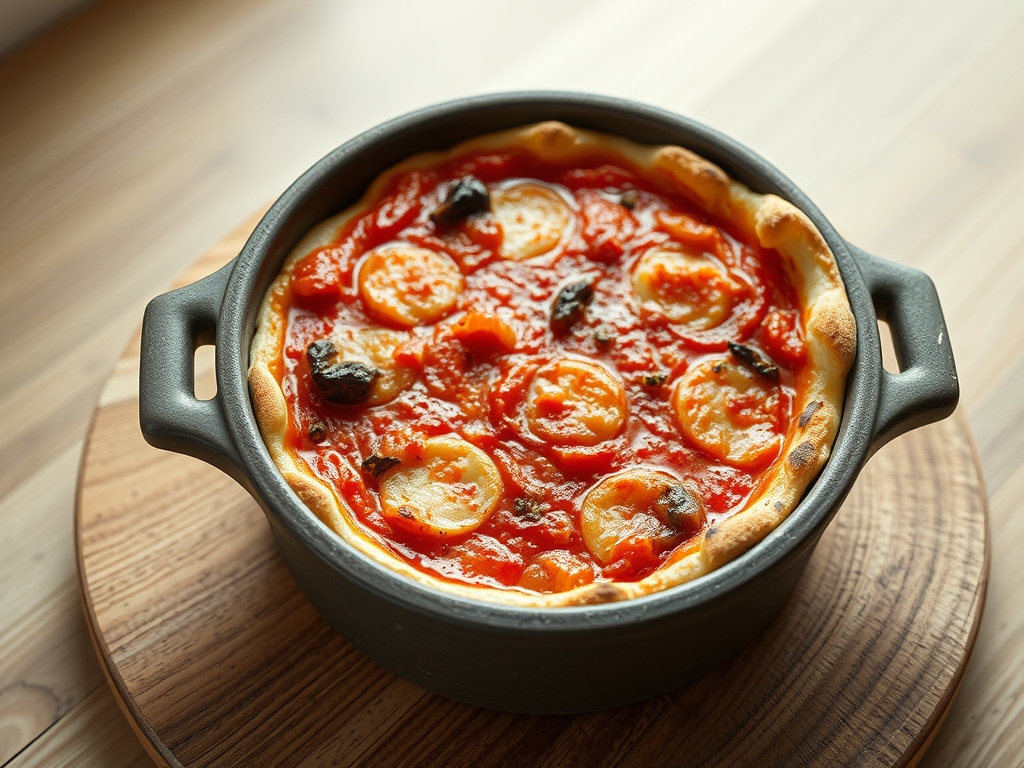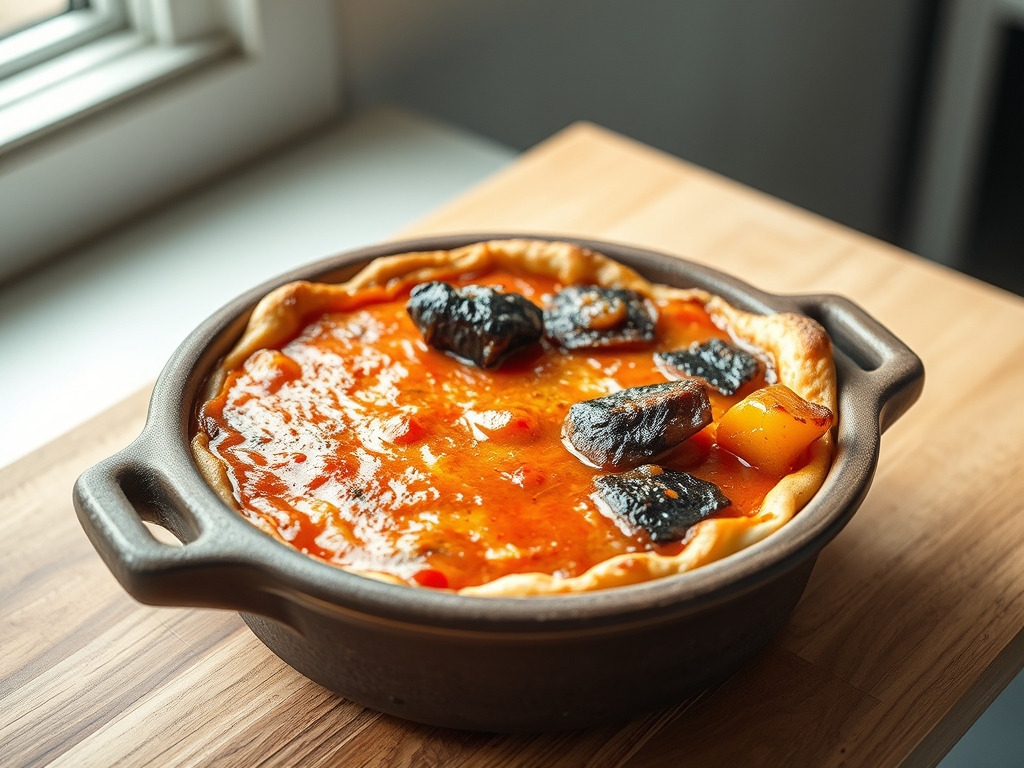
Listen closely because your standard sheet pan pizza is a crime against structural engineering. We are here to discuss the Detroit Style Crust; a high-hydration marvel that demands respect and a heavy-duty blue steel pan. This is not just dough; it is a fess-phase hybridization where the crumb remains cloud-like and porous while the perimeter undergoes a violent, beautiful transformation into a caramelized cheese barricade. We call this the frico. If you are looking for a soggy, limp triangle, go elsewhere. We are auditing the architectural integrity of the crumb and the Maillard-driven crunch of the edges. You need a crust that can support a heavy payload of brick cheese and thick red sauce without buckling under the thermal pressure. We are aiming for a specific golden-brown saturation that signals a perfect lipid-to-starch ratio. It is time to stop playing with flour and start engineering a masterpiece. Grab your digital scale and clear the bench; we are about to optimize your kitchen for peak performance.
THE DATA MATRIX
| Metric | Specification |
|---|---|
| Prep Time | 20 Minutes (Active) |
| Execution Time | 18 to 24 Hours (Fermentation Included) |
| Yield | One 10×14 inch Blue Steel Pan |
| Complexity (1-10) | 7 |
| Estimated Cost per Serving | $2.45 |
THE GATHERS
Ingredient Protocol:
- 500g / 3.75 cups High-Protein Bread Flour (12.7% protein minimum)
- 375ml / 1.5 cups Filtered Water (Room Temperature)
- 10g / 2 tsp Fine Sea Salt
- 5g / 1.5 tsp Instant Dry Yeast
- 20ml / 1.3 tbsp Extra Virgin Olive Oil (for the pan)
- 450g / 1 lb Wisconsin Brick Cheese (Cubed)
- 250ml / 1 cup Heavy Pizza Sauce (Applied post-bake)
Section A: Ingredient Quality Audit:
If your flour lacks sufficient protein, the gluten network will fail to aerate properly, resulting in a dense, leaden slab rather than a honeycomb structure. Fix this by adding 10g of vital wheat gluten if using all-purpose flour. If your yeast is sluggish, perform a bloom test in warm water with a pinch of sugar; if it does not foam within five minutes, discard it. Using pre-shredded cheese is a fatal error. The cellulose anti-caking agents prevent the cheese from melting into a viscous flow, which is essential for that signature Detroit Style Crust edge. Always buy blocks and cube them manually to ensure the fats render correctly against the hot steel.
THE MASTERCLASS
1. The Hydration Phase
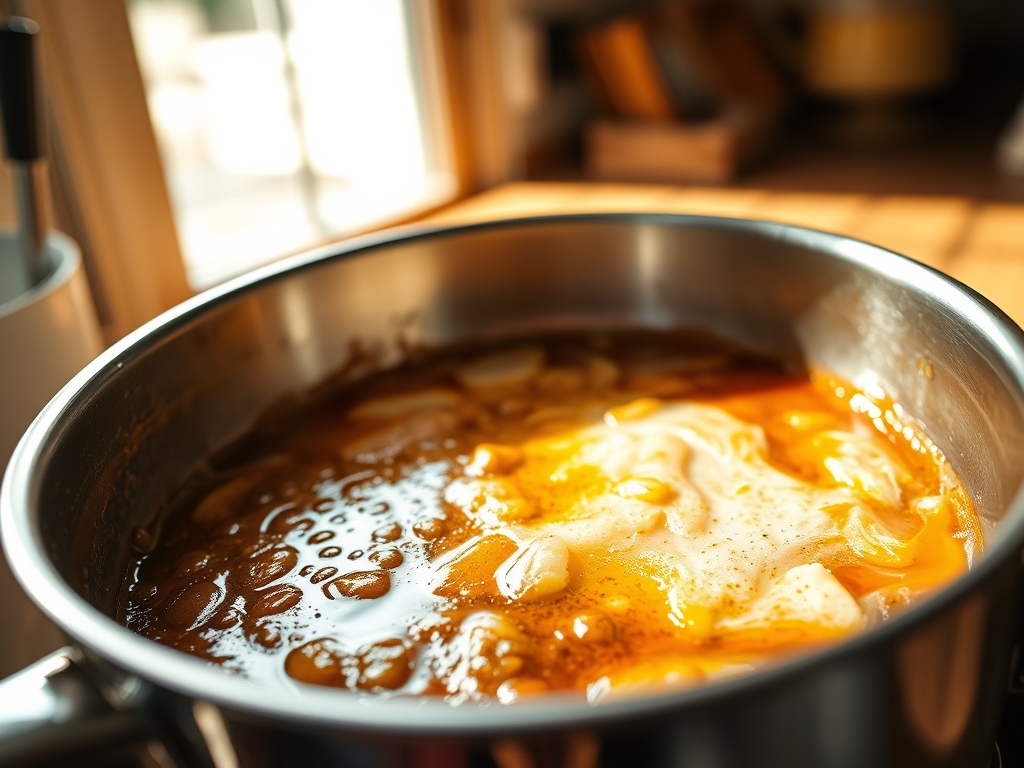
Combine your flour, yeast, and water in a large bowl. Use a bench scraper to fold the mass until no dry pockets remain. This is a 75% hydration dough, so it will be sticky and difficult to handle with bare hands. Cover and let it rest for 30 minutes to allow for autolyse, which simplifies the structural development.
Pro Tip: High hydration allows the steam to infuse the dough during the initial blast of heat, creating the massive internal voids characteristic of a world-class Detroit Style Crust.
2. Strength Building and Bulk Fermentation
Incorporate the salt and perform a series of stretch-and-folds every 30 minutes for two hours. You are looking for the windowpane effect. Once the dough is supple, transfer it to a lidded container and refrigerate for 18 to 24 hours. Cold fermentation allows enzymes to break down starches into simple sugars, which enhances the final browning.
Pro Tip: Use a digital scale for every measurement; volumetric baking is for amateurs and leads to inconsistent density in the crumb.
3. The Pan Integration
Oil your blue steel pan generously. Gently transfer the cold dough into the pan. Do not force it to the corners yet. Let it relax for 2 hours at room temperature, dimpling it occasionally with wet fingertips until it naturally reaches the edges. The dough should feel like a pressurized pillow.
Pro Tip: A saucier can be used to warm your olive oil slightly before application, ensuring it coats the pan surface evenly to prevent sticking during the high-heat transition.
4. The Cheese Perimeter Protocol
This is the critical step for a Detroit Style Crust. Distribute your cubed brick cheese across the surface, but concentrate a heavy border specifically where the dough meets the metal. This cheese will melt down the sides, frying the crust in its own fats to create the frico.
Pro Tip: The cheese acts as a thermal buffer; as the fats render, they create a localized deep-fry effect on the exterior of the dough.
5. Thermal Execution
Fire your oven to 500 degrees Fahrenheit (260 Celsius). Place the pan on the lowest rack or a preheated baking stone. Bake for 12 to 15 minutes until the cheese on the edges is blackened and charred. This is not burnt; it is carbonized flavor. Remove and let it rest for 5 minutes before using a bench scraper to release the edges.
Pro Tip: Use an infrared thermometer to ensure your baking stone has reached the target temperature before the pan makes contact.
Section B: Prep & Timing Fault-Lines:
The most common failure is rushing the room-temperature proof. If the dough is too cold when it hits the oven, it will collapse, resulting in a "gum line" between the sauce and the bread. If your kitchen is below 68 degrees Fahrenheit, use a proofing box or the interior of an oven with the light turned on to maintain a consistent 75-degree environment. Timing is everything; a 10-minute deviation in fermentation can be the difference between a light crumb and a sourdough brick.
THE VISUAL SPECTRUM
Section C: Thermal & Visual Troubleshooting:
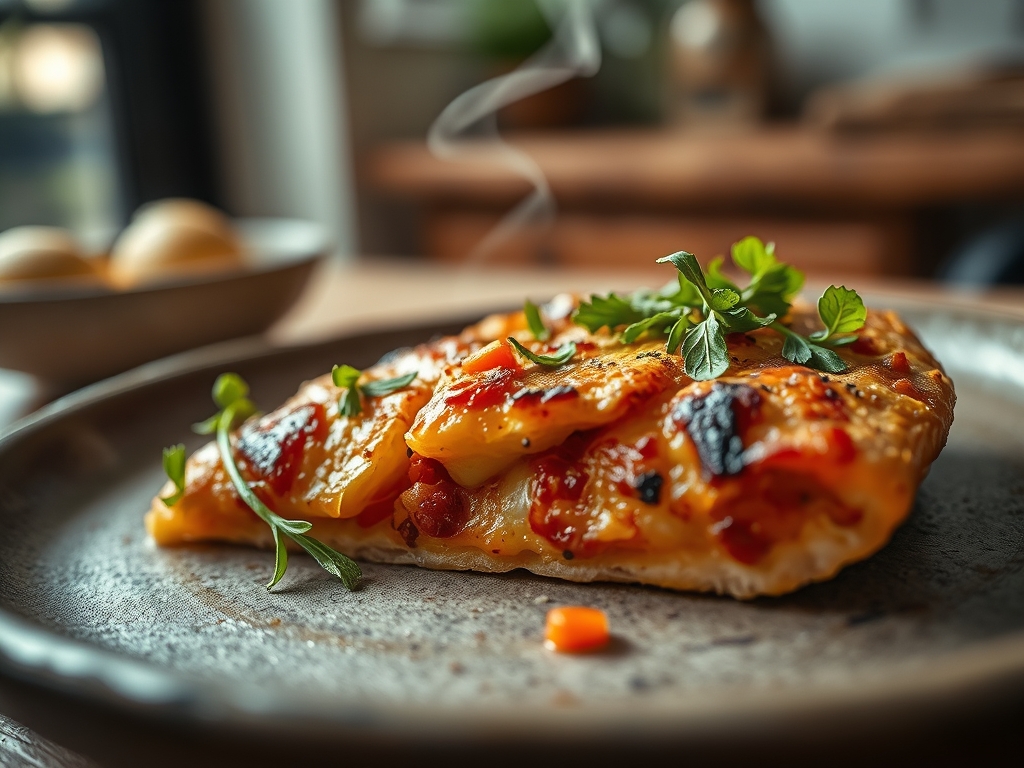
Referencing the Masterclass photo, observe the deep mahogany hue of the frico. If your edges are pale yellow, your oven temperature was too low or your pan was not dark steel. Pale edges lack the structural crunch required for the Detroit Style Crust. If the top is browning too fast while the bottom remains doughy, move the pan to a lower rack. A dull, matte finish on the crust indicates under-hydration or old flour; a vibrant, glossy, and bubbled surface is the hallmark of a successful long-ferment and proper lipid distribution. If the cheese has not climbed the walls of the pan, you did not pack the perimeter tightly enough.
THE DEEP DIVE
Macro Nutrition Profile:
This is a high-energy, high-fat recovery fuel. Per serving, expect approximately 450 calories, 22g of fat, 48g of carbohydrates, and 18g of protein. The high fat content comes primarily from the Wisconsin brick cheese, which provides the essential lipids for the frying process.
Dietary Swaps:
- Vegan: Substitute brick cheese with a high-melt cashew-based mozzarella and use a vegan butter/oil blend for the pan.
- Keto: This is difficult given the starch requirements, but a cauliflower-almond flour hybrid can work if bound with xanthan gum to mimic gluten.
- GF: Use a high-quality 1-to-1 gluten-free flour blend and increase water by 10% to compensate for the higher absorption rates of rice flour.
Meal Prep & Reheating Science:
To maintain the molecular structure, never microwave. Reheat leftovers in a dry skillet over medium heat with a lid for three minutes. This crisping of the bottom while steaming the top restores the original contrast between the crunchy frico and the soft crumb.
THE KITCHEN TABLE
Why is my crust soggy in the middle?
You likely applied the sauce before baking or your oven floor wasn't hot enough. Detroit style requires sauce to be applied in "racing stripes" after the bake or very sparingly to prevent moisture migration into the crumb.
Can I use a glass baking dish?
No. Glass is an insulator and will not conduct heat fast enough to render the cheese fats and crisp the dough. You need the high emissivity of dark blue steel or heavy cast iron for a proper audit.
What if I cannot find Wisconsin Brick cheese?
A 50/50 blend of low-moisture mozzarella and Monterey Jack is a suitable substitute. The goal is a high fat-to-protein ratio that allows for melting and frying without the cheese breaking into a greasy mess.
How do I get the dough into the corners?
Patience is your primary tool. If the dough resists, wait 15 minutes for the gluten to relax. Forcing it will only cause it to snap back. Gravity and time are the only ways to achieve total pan coverage.