Listen to the roar of the deep fryer as it encounters a cold, carbonated shroud. This is not just cooking; it is a high-velocity engineering project where the stakes are measured in crunch-per-square-inch. We are here to dismantle the amateur approach to frying and replace it with a rigorous understanding of Beer Batter Mechanics. When that chilled, viscous slurry hits the 375-degree oil, a violent transformation occurs. The carbon dioxide trapped within the liquid expands instantly, creating a structural scaffold of micro-bubbles that lift the crust away from the protein. This creates a thermal buffer, steaming the fish in its own juices while the exterior undergoes a rapid Maillard reaction. We are looking for a golden, glass-like sheath that shatters upon impact. If your batter is a leaden, soggy blanket, you have failed the structural integrity test. We demand porosity. We demand a lattice of air. We demand a crust so light it practically defies gravity while maintaining a piquant, malty backbone. Let us begin the audit of your deep-fry infrastructure.
THE DATA MATRIX
| Metric | Specification |
|---|---|
| Prep Time | 15 Minutes |
| Execution Time | 10 Minutes |
| Yield | 4 Servings |
| Complexity (1-10) | 6 |
| Estimated Cost per Serving | $4.50 |
THE GATHERS
Ingredient Protocol:
- 500g / 1.1 lbs Cod or Haddock fillets (patted bone-dry)
- 250g / 2 cups All-purpose flour (low protein preferred)
- 50g / 6 tbsp Cornstarch (for superior crispness)
- 330ml / 11.2 oz Cold Lager or Ale (highly carbonated)
- 5g / 1 tsp Baking powder (chemical aeration backup)
- 10g / 2 tsp Sea salt (fine grain for instant dissolution)
- 5g / 1 tsp Smoked paprika (for color depth)
- 2L / 2.1 qt High smoke-point oil (Peanut or Grapeseed)
Section A: Ingredient Quality Audit:
If your flour has a high protein content, such as bread flour, your batter will develop gluten and turn chewy rather than crispy. To fix this, replace 20 percent of the flour with cornstarch to dilute the protein matrix. If your beer is flat or room temperature, the Beer Batter Mechanics will fail because the CO2 will escape before hitting the oil. Always use a fresh, pull-tab can straight from the back of the refrigerator. If the fish feels slimy or overly wet, the batter will slide off during the fry. Dust the fillets in a light coating of dry starch before dipping to create a "velcro" effect that binds the wet batter to the protein surface.
THE MASTERCLASS
1. Thermal Stabilization of the Medium
Fill a heavy-bottomed Dutch oven or a professional saucier with your oil. Use a digital probe thermometer to track the temperature until it hits exactly 190C / 375F.
Pro Tip: High thermal mass is your friend. Using a heavy cast iron vessel prevents the temperature from crashing when the cold fish enters the oil, ensuring the exterior seals instantly to prevent oil grease-soak.
2. The Dry Phase Integration
In a large stainless steel mixing bowl, whisk together the flour, cornstarch, baking powder, and spices. Use a digital scale to ensure the ratio of starch to leavening is precise.
Pro Tip: Sifting your dry ingredients through a fine-mesh strainer removes clumps that can trap pockets of raw flour; this ensures a smooth, aerated slurry that coats the fish evenly.
3. Activating the Carbonation Loop
Slowly pour the chilled beer into the dry mix while whisking gently. Stop as soon as the ingredients are combined. A few small lumps are acceptable.
Pro Tip: Over-mixing is the enemy of porosity. Agitating the batter too much develops gluten and knocks out the CO2 bubbles. Treat the batter like pancake mix; minimal interference preserves the structural air pockets.
4. The Immersion and Release
Dredge your seasoned fish in dry flour, shake off the excess, then submerge it into the batter. Hold the tail end and lower it slowly into the oil, moving it back and forth for three seconds before releasing.
Pro Tip: This "swimming" technique prevents the fish from sinking and sticking to the bottom of the pan. Use a bench scraper to keep your workspace clean of batter drips between batches.
5. The Dehydration and Crisp Phase
Fry for 4 to 5 minutes, flipping once with a slotted spider or tongs, until the crust is a deep mahogany gold. Transfer to a wire cooling rack immediately.
Pro Tip: Never drain fried fish on paper towels. The steam trapped between the towel and the fish will turn your crispy lattice into a soggy mess within sixty seconds. A wire rack allows for 360-degree airflow.
Section B: Prep & Timing Fault-Lines:
The most common human error is the "crowding effect." Dropping too many fillets into the oil at once causes the temperature to plummet, leading to oil absorption and a heavy, greasy finish. Fry in small batches. Another timing error is prepping the batter too early. If the batter sits for more than fifteen minutes, the chemical leaveners exhaust themselves and the beer goes flat. Mix your batter only when the oil has reached the target temperature. Finally, ensure your fish is at room temperature for ten minutes before frying; ice-cold centers lead to raw fish and overcooked crusts.
THE VISUAL SPECTRUM
Section C: Thermal & Visual Troubleshooting:
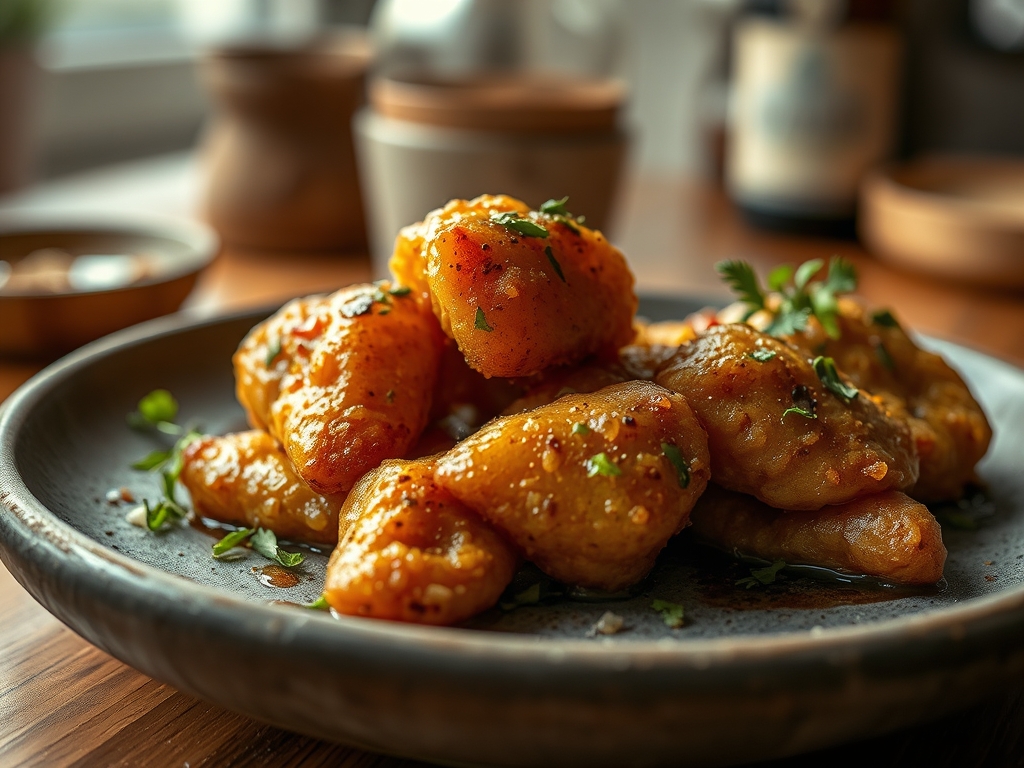
Look closely at the Masterclass photo. You should see a "bubbly" topography on the surface of the crust. If your crust is smooth and flat, your oil was too cold or your batter was too thick. If the color is pale and ghostly, you likely skipped the paprika or your oil temperature was under 350F. Conversely, if the crust is dark brown but the fish is raw inside, your oil is too hot; the exterior is burning before the heat can penetrate the protein. The ideal visual cue is a consistent, honey-gold hue with visible "craters" where the CO2 bubbles burst and set. If you see dark spots, your oil may be contaminated with old food particles; strain your oil through a coffee filter between uses to maintain clarity.
THE DEEP DIVE
Macro Nutrition Profile
A standard serving of beer-bathed white fish provides approximately 350 to 450 calories. The profile is dominated by high-quality protein (approx 25g) and carbohydrates from the flour (approx 30g). While the fat content is higher due to the frying process, using a high-heat oil and maintaining proper temperatures minimizes oil retention.
Dietary Swaps
- Vegan: Replace the fish with thick slices of battered cauliflower or "blossoms" of banana flower. Ensure the beer is vegan-certified.
- Gluten-Free: Swap the all-purpose flour for a 1:1 GF blend containing rice flour and potato starch. The rice flour actually provides an even crispier "glass" crunch than wheat.
- Keto: This is difficult given the Beer Batter Mechanics, but a coating of crushed pork rinds and parmesan can simulate the crunch, though you lose the carbonated porosity.
Meal Prep & Reheating Science
Fried fish is a "live" product that degrades as moisture migrates from the fish to the crust. To reheat, avoid the microwave at all costs; it vibrates water molecules and destroys the starch structure. Instead, use an air fryer or oven at 400F for 4 minutes. This flashes the surface moisture away and re-crisps the oil-impregnated lattice.
THE KITCHEN TABLE
Why does my batter fall off the fish?
Usually, the fish surface is too wet. The steam generated during frying creates a high-pressure zone that pushes the batter away. Always pat the fish dry and use a flour dredge to create a dry interface for the batter to grip.
What is the best beer to use?
A cold, highly carbonated lager is the gold standard. The light flavor profile doesn't overwhelm the fish, and the high CO2 content ensures maximum aeration. Avoid heavy stouts unless you want a very dark, bitter crust.
Can I use sparkling water instead of beer?
Yes. Seltzer or club soda provides the same carbonation-driven porosity without the malt flavor or alcohol. It results in a cleaner, more neutral crust that allows the flavor of the fish to be the primary focus.
How do I know the oil is ready without a thermometer?
Drop a small spoonful of batter into the oil. If it sinks and stays there, it is too cold. If it stays on top and burns instantly, it is too hot. It should sink slightly and then pop up fizzing.