Listen closely because the structural integrity of your breakfast is currently under siege by mediocre, store-bought pucks of sadness. We are here to perform a high-stakes forensic audit on the most elusive texture in the bakery world: the English Muffin Griddle interface. To achieve that legendary, craggy topography, we must treat the dough not as a bread, but as a biological hydration project. You want a crumb so porous it acts as a hydraulic reservoir for salted butter, shielded by a base that has been seared to a structural crisp. This is not about gentle toasting; it is about the aggressive application of conductive heat to a high-hydration matrix. When that pale, fermented dough hits the seasoned steel, the moisture flashes into steam, forcing the internal carbon dioxide to expand and lock those famous "nooks and crannies" into a permanent, airy architecture. We are building a fortress of gluten and air, and the only way in is through the precise thermal calibration of a heavy-duty English Muffin Griddle.
THE DATA MATRIX
| Metric | Specification |
|---|---|
| Prep Time | 2 Hours (Active + Fermentation) |
| Execution Time | 15 Minutes |
| Yield | 12 Structural Units |
| Complexity (1-10) | 7 (Hydration Management) |
| Estimated Cost per Serving | $0.28 USD |
THE GATHERS
Ingredient Protocol:
- 500g / 3.75 cups All-Purpose Flour (High protein preferred)
- 350ml / 1.5 cups Whole Milk (Warmed to 100F)
- 50g / 3.5 tbsp Unsalted Butter (Softened)
- 10g / 2 tsp Fine Sea Salt
- 7g / 2.25 tsp Active Dry Yeast
- 15g / 1.25 tbsp Granulated Sugar
- 60g / 0.5 cup Degerminated Cornmeal (For the exterior grit)
Section A: Ingredient Quality Audit:
If your flour has a protein content below 11 percent, your muffins will lack the tensile strength to hold large air pockets; they will collapse into dense discs. Fix this by substituting 50g of your flour with Bread Flour or adding a teaspoon of vital wheat gluten. If your yeast is sluggish, do not proceed. Perform a viability test in the warm milk and sugar; if it does not aerate and foam within five minutes, your infrastructure is compromised. Finally, check your cornmeal. It must be coarse. Fine cornmeal will absorb into the dough and create a gritty, unpleasant interior rather than the protective, non-stick thermal shield required for the English Muffin Griddle.
THE MASTERCLASS
1. The Hydration Phase
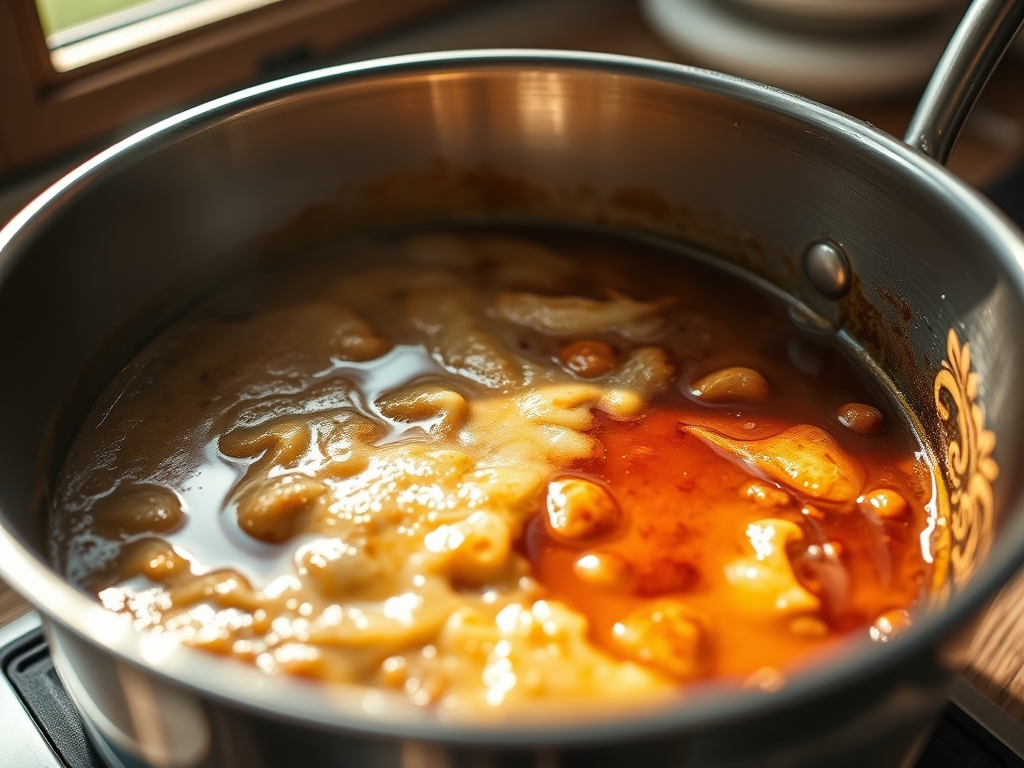
Combine your warmed milk, sugar, and yeast in a saucier or small bowl. Allow the yeast to bloom until it becomes a viscous foam. In a large mixing bowl, incorporate the flour and salt, then slowly stream in the liquid. This dough will be incredibly sticky; do not panic and add more flour. Use a digital scale to ensure your ratios are exact, as guesswork is the enemy of consistency.
Pro Tip: High hydration is the secret to the "nook." A wetter dough allows steam to travel more freely, creating larger internal voids before the protein structure sets.
2. The Gluten Development
Transfer the shaggy mass to a clean surface. Using a bench scraper, perform a series of "slap and folds." This technique develops the gluten network without saturating the dough with excess flour. Work the dough until it is smooth and elastic. Incorporate the softened butter at the very end to infuse the crumb with richness without inhibiting early gluten formation.
Pro Tip: Fat acts as a tenderizer by coating gluten strands. Adding it late in the process ensures you have a strong structural foundation before introducing the softening agent.
3. The Bulk Fermentation
Place the dough in a lightly oiled bowl and cover with a damp cloth. Allow it to rise in a warm, draft-free environment until doubled in size. This is where the flavor profile deepens as the yeast consumes sugars and releases carbon dioxide. Once doubled, gently deflate the dough. Do not over-handle it; we want to preserve as much of that internal gas as possible.
Pro Tip: Fermentation is a biological clock. If your kitchen is cold, use your oven with only the light turned on to create a consistent proofing chamber.
4. Shaping and Second Proof
Dust your work surface heavily with cornmeal. Divide the dough into 12 equal portions using your digital scale. Gently round each portion into a ball and flatten slightly. Place them on a baking sheet lined with more cornmeal. Cover and let them rest for another 45 minutes. They should look puffy and feel fragile to the touch.
Pro Tip: The cornmeal acts as a "ball bearing" system, allowing the dough to slide across the English Muffin Griddle without sticking or tearing the delicate skin.
5. The Griddle Execution
Preheat your English Muffin Griddle over medium-low heat. You are looking for a surface temperature of approximately 325F. Carefully transfer the muffins to the dry griddle. Cook for 7 to 8 minutes per side. The goal is a deep, mahogany brown crust that is firm to the touch, while the interior remains moist and tender.
Pro Tip: Use a heavy cast iron griddle if possible. The thermal mass prevents temperature drops when the cold dough hits the surface, ensuring a more even render of the exterior starches.
Section B: Prep & Timing Fault-Lines:
The most common failure is "The Internal Rawness Trap." If your griddle is too hot, the exterior will burn before the center reaches 200F. If you notice the muffins browning too fast, transfer them to a 350F oven for 5 minutes to finish the interior. Another timing error involves the "Fork Split." Never, under any circumstances, use a knife to cut an English muffin. This cauterizes the nooks and crannies. Use a fork to pierce the perimeter and pry it open to maintain the jagged, high-surface-area interior.
THE VISUAL SPECTRUM
Section C: Thermal & Visual Troubleshooting:
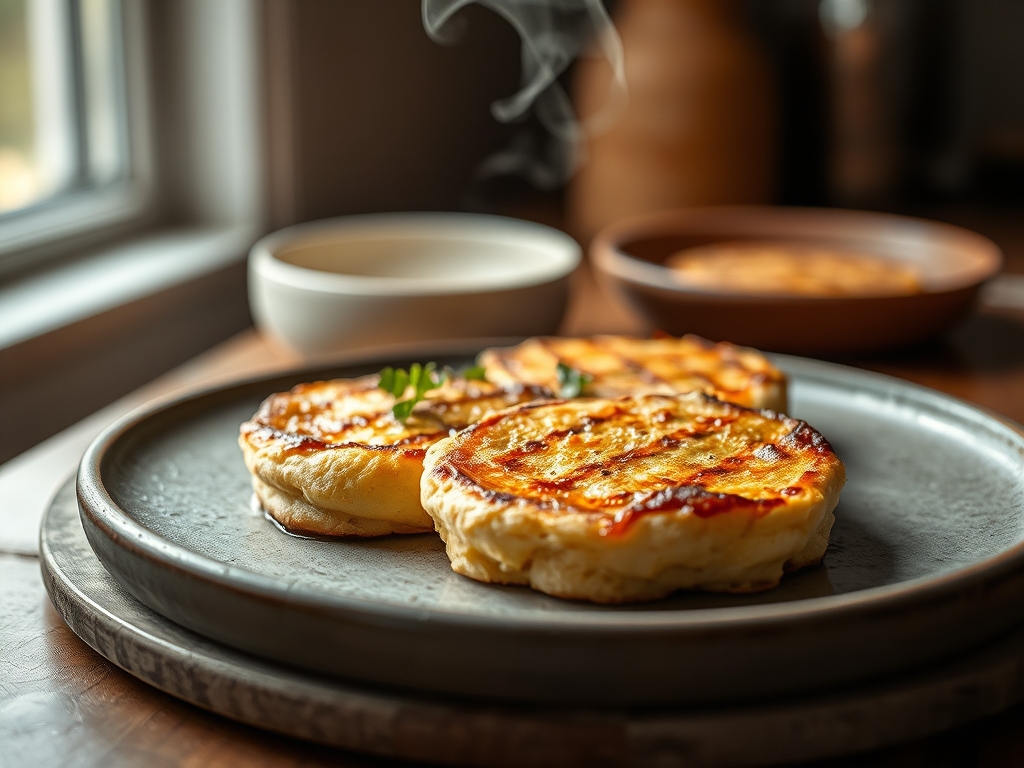
Look at the Masterclass photo: notice the distinct "halo" of lighter dough around the equator and the dark, even sear on the poles. If your muffins are pale, you likely have too much cornmeal acting as an insulator; brush some off. If the edges are sloping downward rather than standing tall, your dough was under-proofed or the hydration was too high for the flour's protein content. A dull, matte finish on the crust suggests the griddle was too cold, leading to a "baked" rather than "seared" exterior. The perfect specimen should have a slight sheen where the butter in the dough has begun to fry the surface.
THE DEEP DIVE
- Macro Nutrition Profile: Each unit provides approximately 180 calories, 5g protein, 32g carbohydrates, and 4g fat. It is a high-energy fuel source with a moderate glycemic index due to the fermentation process.
- Dietary Swaps: For a vegan version, substitute the milk with unsweetened soy milk and the butter with a high-quality vegan block butter or coconut oil. For Gluten-Free, use a 1-to-1 baking blend with added xantham gum, though the "nook" structure will be significantly tighter.
- Meal Prep & Reheating Science: These freeze beautifully. To maintain the molecular structure, slice them before freezing. When reheating, go straight from the freezer to the toaster. The rapid heat application re-gelatinizes the starches, restoring the "fresh-griddled" texture.
THE KITCHEN TABLE
Why are my muffins so heavy?
You likely over-handled the dough during the shaping phase, knocking out the essential gas pockets. Be "gentle as a whisper" when moving the proofed dough to the English Muffin Griddle to preserve the internal architecture.
Can I use a regular frying pan?
Yes, but a heavy-bottomed English Muffin Griddle provides superior heat distribution. Thin pans create hot spots that will scorch the exterior while leaving the center doughy and underdeveloped.
Do I need to grease the griddle?
No. The cornmeal and the butter within the dough provide enough lubrication. Adding oil to the griddle will result in a fried texture rather than the traditional dry, toasted crust we are auditing for.
How do I get bigger holes?
Increase the hydration by 5 percent and extend the bulk fermentation time in a cool environment. A slower rise allows larger bubbles to form and strengthens the gluten walls that hold them.