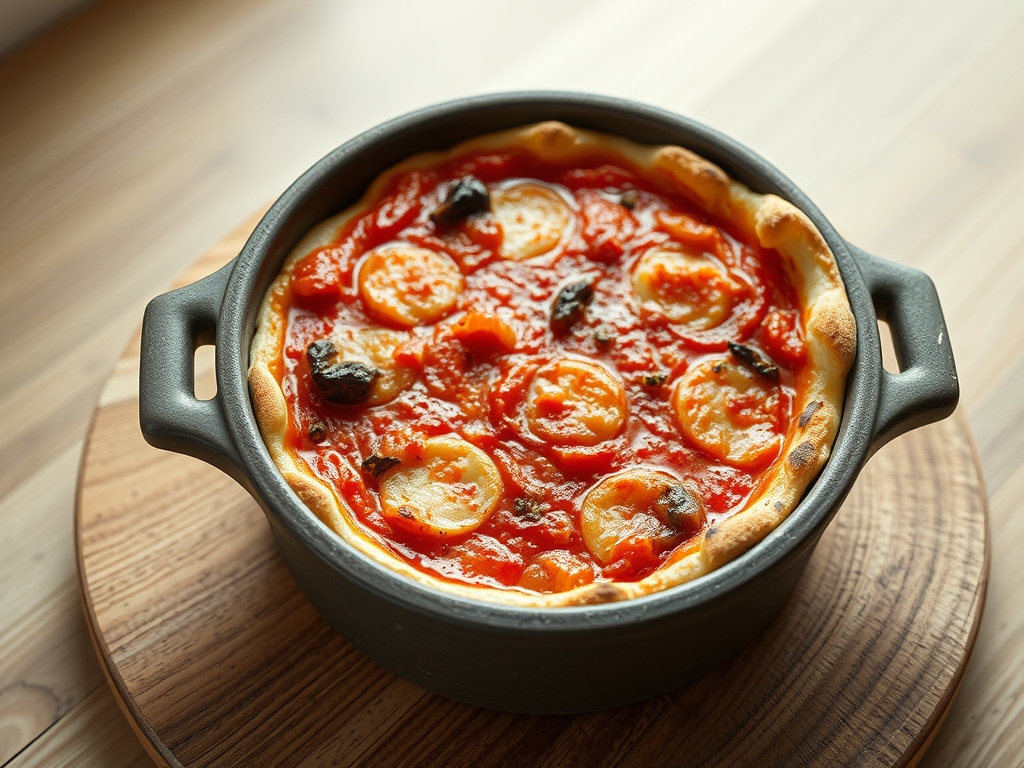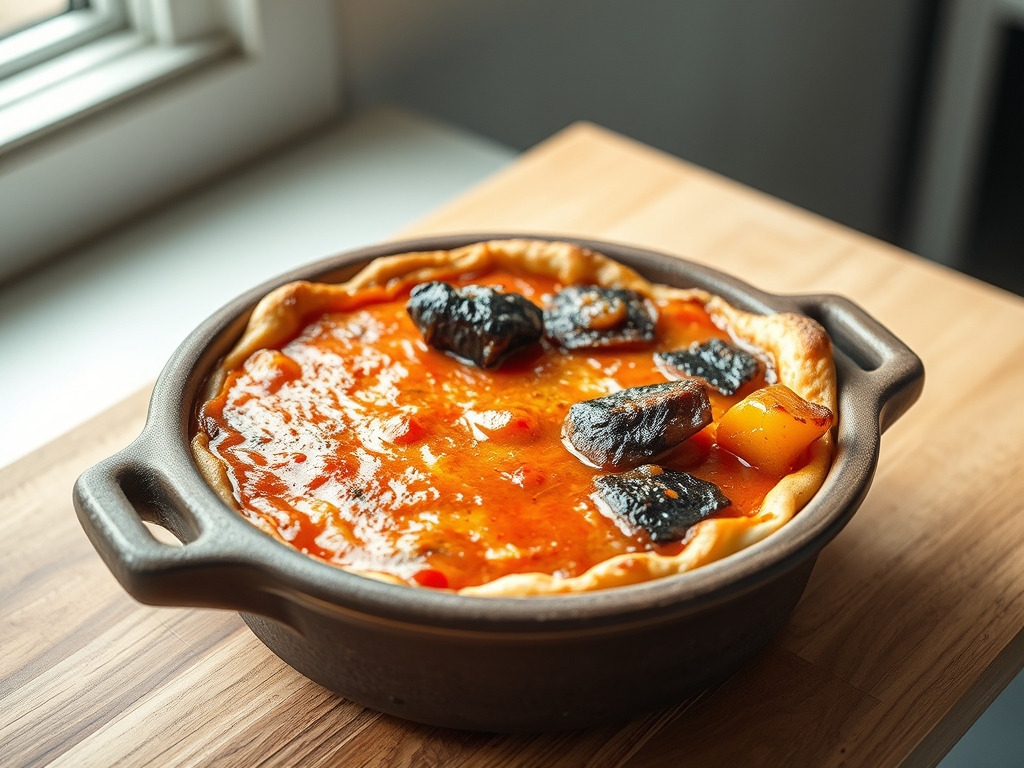
Stop treating your pastry like a common construction project and start treating it like a high-stakes chemical intervention. We have all been there: you follow the vintage recipe to the letter, yet the result is a glutenous, structural nightmare that requires a saw to penetrate. The culprit is water. When H2O meets flour, it awakens the protein giants, glutenin and gliadin, which link up to create a tough, elastic web. This is great for sourdough but a catastrophe for short-crust. Enter the Vodka Pie Crust Tech. By introducing a 40 percent ethanol solution into your dough, you provide the moisture necessary to bind the mass without triggering the full-scale gluten development that ruins your flake. Ethanol is chemically incapable of forming those chewy bonds. The result is a crust that remains remarkably supple during the rolling phase but shatters into a thousand buttery shards the moment it encounters a fork. It is the ultimate hack for the culinary perfectionist who demands structural integrity without the dental bill.
THE DATA MATRIX
| Metric | Specification |
|---|---|
| Prep Time | 20 Minutes |
| Execution Time | 60 Minutes (plus 2 hours chilling) |
| Yield | 2 Double-Crust 9-inch Pies |
| Complexity (1-10) | 4 |
| Estimated Cost per Serving | $0.85 |
THE GATHERS
Ingredient Protocol:
- 375g / 2.5 cups All-purpose flour (low protein preferred)
- 2g / 2 tbsp Granulated sugar
- 6g / 1 tsp Fine sea salt
- 226g / 1 cup Unsalted butter, chilled and cubed
- 60ml / 0.25 cup Vegetable shortening, chilled
- 60ml / 0.25 cup Cold vodka (80 proof)
- 60ml / 0.25 cup Ice-cold water
Section A: Ingredient Quality Audit:
If your flour has a protein content exceeding 11.5 percent, your crust will likely render a bread-like texture despite the alcohol. To fix this, substitute 10 percent of the flour weight with cornstarch to lower the overall protein density. If your butter is too soft, it will infuse into the flour rather than remaining in discrete pockets. This leads to a greasy, flat pastry. The fix is a mandatory 30-minute freezer blast for all fats and even the mixing bowl before you begin the mechanical integration. Finally, avoid flavored vodkas; the synthetic esters will clash with the butter and create a piquant aftertaste that feels chemically induced rather than naturally savory.
THE MASTERCLASS
1. Dry Component Integration
Pulse your flour, sugar, and salt in a food processor or whisk them vigorously in a stainless steel bowl to aerate the mixture. Ensuring an even distribution of salt is critical for the final flavor profile.
Pro Tip: Use a digital scale to measure by weight rather than volume. A "cup" of flour can vary by 30 percent depending on how tightly it is packed; precision is the only way to ensure the Vodka Pie Crust Tech remains consistent.
2. The Lipid Fragmentation
Add the chilled butter and shortening. Pulse or use a pastry blender until the mixture resembles coarse crumbs with some pea-sized chunks of butter remaining. These chunks are the steam engines of your crust.
Pro Tip: A bench scraper is your best friend here. Use it to scoop and turn the mixture to ensure no warm hands come into contact with the fat, preventing premature melting and maintaining the cold chain.
3. The Ethanol Injection
Drizzle the cold vodka and ice water over the mixture. Toss with a spatula until the dough begins to form moist clumps. It will look wetter than a traditional crust; do not panic. The ethanol will evaporate in the oven, leaving only air pockets behind.
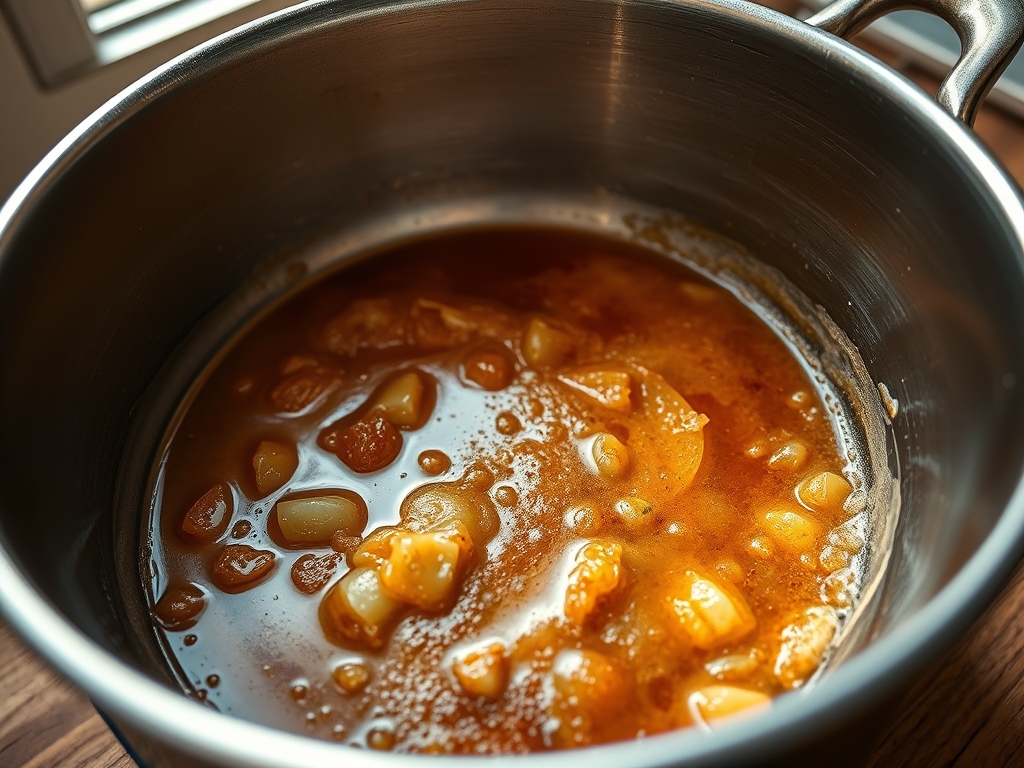
Pro Tip: If using a saucier or small pot to chill your liquids, ensure they are at 34 degrees Fahrenheit. The goal is to keep the fat in a solid state until it hits the high heat of the oven.
4. The Lamination Fold
Turn the dough onto a floured surface and gather it into a ball. Perform two "letter folds" by rolling it out slightly and folding it over itself. This creates layers of fat and flour that will later expand into flakes.
Pro Tip: Do not overwork. Every second your hands touch the dough, you risk melting the butter. Use the bench scraper to handle the dough as much as possible to keep the temperature low.
5. The Cryogenic Rest
Divide the dough into two disks, wrap tightly in plastic, and refrigerate for at least two hours. This allows the flour to fully hydrate and the gluten to relax after the mechanical stress of folding.
Pro Tip: This rest period is non-negotiable. Without it, the dough will shrink aggressively when it hits the heat, ruining your decorative crimping and structural walls.
Section B: Prep & Timing Fault-Lines:
The most common failure is the "Warm Kitchen Syndrome." If your ambient temperature is above 75 degrees, your fats will render before they reach the oven. If you notice the dough becoming viscous or sticky, stop immediately and return it to the freezer for ten minutes. Another timing error is under-chilling the dough after rolling it into the pan. Always give the shaped crust a 15-minute "flash chill" before it goes into the heat to ensure the edges stay sharp and the bottom does not sag.
THE VISUAL SPECTRUM
Section C: Thermal & Visual Troubleshooting:
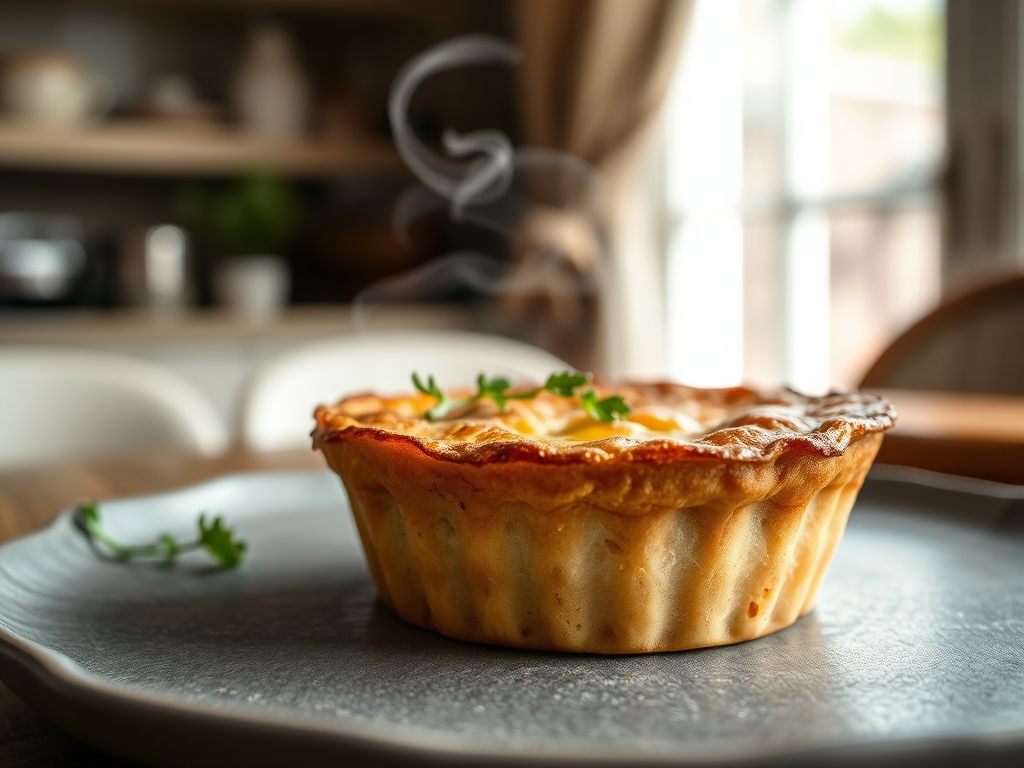
Referencing the Masterclass photo, you are looking for a "shatter-zone" texture. If your crust looks dull and grey, you likely skipped the sugar or the egg wash; sugar is essential for the Maillard reaction that creates golden browning. If the crust is pale and soft, the oven floor was likely too cold. Use a pizza stone or preheated baking sheet to provide an immediate thermal shock to the bottom. If the edges are dark but the center is raw, your oven has hot spots. Rotate the pie 180 degrees halfway through the bake. The visual cue for a perfect Vodka Pie Crust Tech execution is a multi-layered, "puffed" appearance where individual sheets of pastry are visible to the naked eye.
THE DEEP DIVE
Macro Nutrition Profile:
Each serving (1/8th of a double-crust pie) contains approximately 310 calories, 19g of fat, 32g of carbohydrates, and 3g of protein. The ethanol content is negligible after baking, as it evaporates almost entirely at 173 degrees Fahrenheit.
Dietary Swaps:
For a vegan iteration, replace butter with a high-quality vegan block butter (avoid soft tubs) and use organic shortening. For a gluten-free version, use a 1:1 GF flour blend with xanthan gum. The Vodka Pie Crust Tech actually works better for GF flours as it provides the necessary moisture for binding without making the alternative starches gummy.
Meal Prep & Reheating Science:
You can store the raw disks in the freezer for up to three months. To maintain the molecular structure when reheating a baked pie, avoid the microwave at all costs. The microwave agitates water molecules, which softens the starch granules and turns the crust into a rubbery mess. Reheat in a 350-degree oven for 10 minutes to re-crisp the lipid layers and restore the structural "snap."
THE KITCHEN TABLE
Why use vodka instead of just more water?
Water triggers gluten development which makes crusts tough. Vodka is only 60 percent water; the remaining 40 percent is ethanol. Ethanol does not bond with flour proteins, allowing you to add more liquid for easy rolling without creating a chewy texture.
Does the crust taste like alcohol after baking?
Not at all. Ethanol has a much lower boiling point than water. By the time the crust reaches its golden-brown stage, the alcohol has completely evaporated, leaving behind a neutral flavor profile that highlights the high-quality butter.
Can I use other spirits like gin or bourbon?
Technically yes, but they will infuse the crust with their specific botanicals or oak notes. Vodka is the preferred medium because it is flavorless and odorless, acting as a "ghost" ingredient that performs a technical function without altering the palate.
My dough is too crumbly to roll. What happened?
You likely under-measured the liquid or used flour with too much protein. Add ice water one teaspoon at a time until the dough holds together when squeezed. Remember, the Vodka Pie Crust Tech allows for a slightly wetter dough.