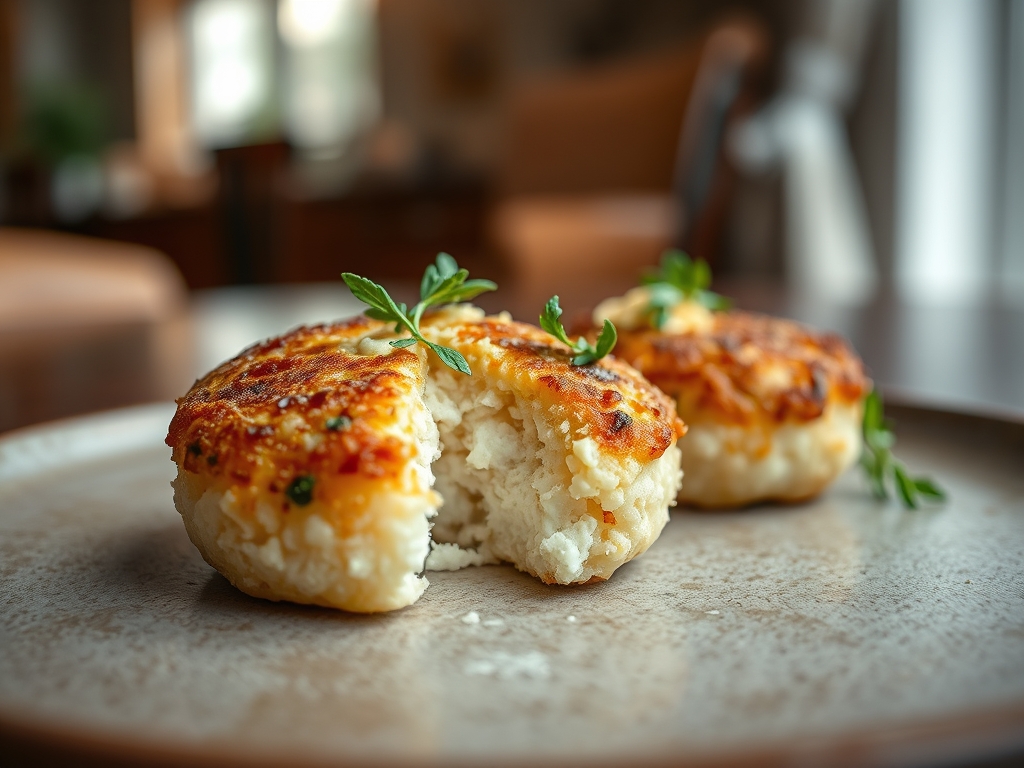
Listen closely because your seafood game is currently a structural liability. We are not here to discuss mushy, uninspired pucks of filler that disintegrate the moment they meet a fork. We are here to master the Crab Cake Exterior. This is a high stakes engineering project where the objective is a shatteringly crisp, golden brown shell that protects a succulent, barely bound interior of jumbo lump crabmeat. The magic happens at the intersection of the Maillard reaction and protein coagulation. If you fail to manage your surface moisture, you are not searing; you are steaming. A steamed crab cake is a culinary tragedy that signals a fundamental misunderstanding of thermal dynamics. We want a crust that provides a haptic snap, a textural contrast so profound it makes the subsequent buttery sweetness of the meat feel like a reward for your tactile efforts. We are auditing your technique from the molecular level up to ensure that every millimeter of that surface is a caramelized masterpiece of structural integrity and piquant seasoning.
THE DATA MATRIX
| Metric | Specification |
|---|---|
| Prep Time | 45 Minutes (Includes Chilling) |
| Execution Time | 12 Minutes |
| Yield | 6 Large Cakes |
| Complexity (1-10) | 7 |
| Estimated Cost per Serving | $14.50 |
THE GATHERS
Ingredient Protocol:
- 454g / 1 lb Jumbo Lump Crabmeat (Fresh, never canned)
- 60ml / 1/4 cup High Quality Mayonnaise (The viscous binder)
- 1 Large Egg (Room temperature for better emulsification)
- 15ml / 1 tbsp Dijon Mustard (For a piquant kick)
- 5ml / 1 tsp Worcestershire Sauce
- 2.5g / 1/2 tsp Old Bay Seasoning
- 50g / 1/2 cup Panko Breadcrumbs (The structural scaffolding)
- 30g / 2 tbsp Fresh Parsley (Finely minced)
- 60ml / 1/4 cup Clarified Butter or Ghee (High smoke point for the sear)
- 1 Lemon (Zested for brightness)
Section A: Ingredient Quality Audit:
The primary failure point in most audits is the crabmeat itself. If your meat arrives swimming in excess brine, your Crab Cake Exterior will never achieve the necessary crispness. Technical Fix: Spread the crabmeat on a tray lined with paper towels and pat dry with clinical precision. If the meat smells metallic or overly "fishy," the volatile amines have already begun to degrade the protein structure; discard and source from a reputable purveyor. If using frozen panko, ensure it has not absorbed ambient freezer moisture. You can aerate the crumbs by pulsing them briefly in a dry food processor to ensure a uniform, fine texture that adheres better to the protein surface.
THE MASTERCLASS
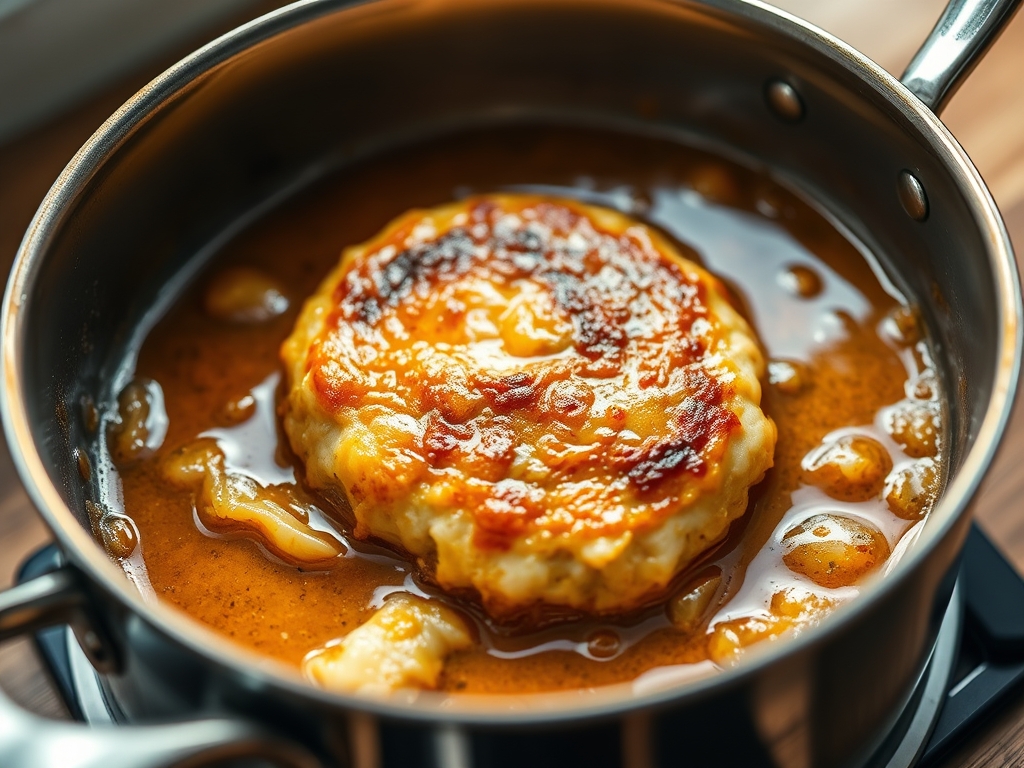
Step 1: The Emulsion Matrix
In a small stainless steel saucier, whisk the egg, mayonnaise, mustard, Worcestershire, and spices until the mixture is completely homogenous. You are looking for a stable emulsion that will coat the crab without drowning it.
Pro Tip: Use a digital scale to measure your binder components. Even a 5 gram variance in mayonnaise can turn a sturdy cake into a structural collapse during the flip.
Step 2: The Folding Procedure
Place the dried crabmeat in a chilled glass bowl. Sprinkle the panko and parsley over the top. Pour the liquid binder over the dry components and use a silicone spatula to fold with extreme gentleness. You must preserve the "lumps" at all costs.
Pro Tip: Do not overwork the mixture. Over-mixing releases myofibrillar proteins that create a rubbery, dense texture rather than the desired light and airy flake.
Step 3: The Cold Set Phase
Shape the mixture into six uniform discs using a ring mold for professional consistency. Place them on a parchment lined sheet pan and refrigerate for at least 30 minutes.
Pro Tip: This "Cold Set" allows the panko to hydrate and the proteins to knit together. Skipping this step is the leading cause of "skillet shatter," where the cake loses its geometry upon contact with heat.
Step 4: The Thermal Execution
Heat your heavy bottomed cast iron skillet over medium high heat. Add the clarified butter. Once the fat begins to shimmer but before it reaches the smoke point, carefully slide the cakes into the pan using a metal bench scraper or offset spatula.
Pro Tip: Clarified butter is essential here because the milk solids have been removed, allowing you to reach the 375 degree Fahrenheit threshold required for a superior Crab Cake Exterior without burning the fat.
Step 5: The Maillard Monitoring
Sear for 4 to 5 minutes per side. Do not touch them. Do not peek. You need a sustained, uninterrupted heat transfer to render the surface into a golden crust. Flip only once using a fish spatula.
Pro Tip: Use an infrared thermometer to ensure your pan surface stays between 350 and 380 degrees. If the temperature drops, the cakes will absorb fat and become greasy rather than crisp.
Section B: Prep & Timing Fault-Lines:
Timing is the silent killer of the perfect crust. If you pull the cakes from the fridge and drop them immediately into a lukewarm pan, the exterior will stick to the metal while the interior remains cold. This is a "Thermal Shock" failure. Always allow the pan to preheat for at least three minutes. Conversely, if you leave the cakes in the pan too long, the delicate crabmeat will overcook and become stringy. The goal is a core temperature of 145 degrees Fahrenheit. Use a probe thermometer to verify this without destroying the crust you worked so hard to build.
THE VISUAL SPECTRUM
Section C: Thermal & Visual Troubleshooting:
Referencing the Masterclass photo, your target is a "Deep Topaz" hue with visible, jagged panko protrusions that have caught the heat. If your cakes look pale and "wet," your pan temperature was too low or you overcrowded the skillet, causing a steam pocket to form. If the edges are black while the center is white, your heat was too high; the sugars in the binder carbonized before the heat could penetrate the core. A "Dull Gray" appearance suggests old oil or poor quality crabmeat. To fix uneven browning, ensure your fat depth is at least 3mm; this allows the hot oil to wrap around the curved edges of the cake, ensuring a 360 degree sear.
THE DEEP DIVE
Macro Nutrition Profile:
A single professional grade crab cake (approx. 150g) contains roughly 280 calories, 24g of protein, 12g of carbohydrates, and 16g of fat. The high protein content makes it an excellent recovery meal, provided you don't negate the benefits with a heavy remoulade.
Dietary Swaps:
- Vegan: Replace crab with shredded hearts of palm and use a flax egg with vegan mayo.
- Keto: Swap panko for crushed pork rinds or almond flour to maintain the crunch without the glycemic load.
- GF: Use certified gluten free breadcrumbs or coarse cornmeal for an extra gritty texture.
Meal Prep & Reheating Science:
To maintain the molecular structure when reheating, avoid the microwave. The microwave agitates water molecules, which will steam the crust from the inside out, resulting in a soggy mess. Instead, use an air fryer at 350 degrees for 4 minutes or a toaster oven. This dry heat environment re-crisps the exterior lipids while gently warming the interior proteins.
THE KITCHEN TABLE
Why does my crab cake fall apart in the pan?
Usually, this is due to insufficient chilling or too much binder. The "Cold Set" is non-negotiable for protein binding. Also, ensure you are using jumbo lump meat; smaller shreds lack the surface area to hold the structure.
Can I bake these instead of frying?
You can, but you will sacrifice the iconic Crab Cake Exterior. If you must bake, spritz the tops heavily with olive oil spray and use a convection setting to mimic the high velocity heat transfer of a frying pan.
What is the best oil for searing seafood?
Clarified butter is king for flavor and smoke point. If unavailable, use avocado oil or grapeseed oil. Avoid extra virgin olive oil; its low smoke point will result in a bitter, acrid crust that masks the crab.
How do I know when to flip?
Watch the base of the cake. When a golden ring appears around the bottom edge and the cake slides easily when the pan is shaken, the Maillard reaction has sufficiently structuralized the base. Trust the process.