Listen to the sound of a cube steak meeting a cast iron skillet. It is the sound of a structural transformation. We are not merely cooking; we are engineering a fortified barrier against the forces of moisture and blandness. The Chicken Fried Steak is the crown jewel of high-friction comfort food. It demands a crust so resilient it could withstand a torrential downpour of cream gravy without surrendering its crunch. This is the ultimate test of your culinary infrastructure. We are looking for a golden-brown, craggy exterior that acts as a pressurized vessel for the tenderized beef within. If your breading slides off like a loose silk robe, you have failed the structural audit. We require a molecular bond. We need a high-viscosity gravy that clings to the peaks and valleys of a piquant, peppery landscape. This is a high-stakes operation where the difference between a soggy mess and a legendary meal lies in the precise management of starch hydration and thermal kinetics. Prepare for a total sensory overhaul.
THE DATA MATRIX
| Metric | Specification |
|---|---|
| Prep Time | 25 Minutes |
| Execution Time | 15 Minutes |
| Yield | 4 Servings |
| Complexity (1-10) | 6 |
| Estimated Cost per Serving | $4.50 – $6.00 |
THE GATHERS
Ingredient Protocol:
- 680g / 1.5 lbs Cube Steak (Mechanically tenderized top round)
- 250g / 2 cups All-Purpose Flour (Divided for dredge and gravy)
- 5g / 1 tsp Baking Powder (For aeration)
- 15g / 1 tbsp Black Pepper (Freshly cracked, coarse)
- 10g / 2 tsp Kosher Salt
- 240ml / 1 cup Whole Milk
- 1 large Egg
- 500ml / 2 cups Neutral Oil (Grapeseed or Peanut)
- 60g / 4 tbsp Unsalted Butter
- 480ml / 2 cups Whole Milk (For the gravy infrastructure)
Section A: Ingredient Quality Audit:
If your flour feels clumped or humid, it will fail to aerate during the frying process. Sift it immediately to ensure a light, uniform coating. If the cube steak appears grey or "leaky," it has lost its cellular integrity; pat it aggressively dry with lint-free towels before dredging. Using pre-ground pepper is a non-starter. You must use a burr grinder or mortar and pestle to achieve the piquant punch necessary to cut through the fat. If your milk is non-fat, the gravy will lack the necessary viscous mouthfeel; supplement with a tablespoon of heavy cream to fix the fat-to-protein ratio.
THE MASTERCLASS
1. The Surface Preparation
Season the beef on both sides with salt and a heavy dose of pepper. Use a digital scale to ensure your flour-to-seasoning ratio is consistent across batches.
Pro Tip: Use a bench scraper to press the seasoning into the meat fibers. This mechanical force ensures the flavor is embedded rather than just sitting on the surface, preventing seasoning loss during the flip.
2. The Hydration Station
Whisk the egg and 240ml of milk in a shallow dish. In a separate tray, combine the flour, baking powder, and remaining spices. This creates the two-part system required for a superior protein-to-starch bond.
Pro Tip: Adding baking powder to the flour creates micro-pockets of CO2 when it hits the hot oil. This aerates the crust, making it shatteringly crisp rather than dense and tooth-shattering.
3. The Double-Dredge Protocol
Pass the steak through the flour, then the milk mixture, and back into the flour. Press the meat firmly into the flour on the final pass to create those signature "crags."
Pro Tip: Let the breaded steaks rest on a wire rack for ten minutes before frying. This allows the flour to fully hydrate and gluten to develop, which acts as a molecular glue to prevent "blowouts" where the breading separates from the meat.
4. Thermal Execution
Heat your oil in a heavy cast iron skillet to exactly 175C / 350F. Fry the steaks for 3 to 4 minutes per side until they reach a deep mahogany hue.
Pro Tip: Use an infrared thermometer to monitor the oil temperature. If the temp drops below 160C, the crust will absorb oil and become greasy. If it exceeds 190C, the exterior will undergo the Maillard reaction too quickly, leaving the interior undercooked.
5. Gravy Infrastructure
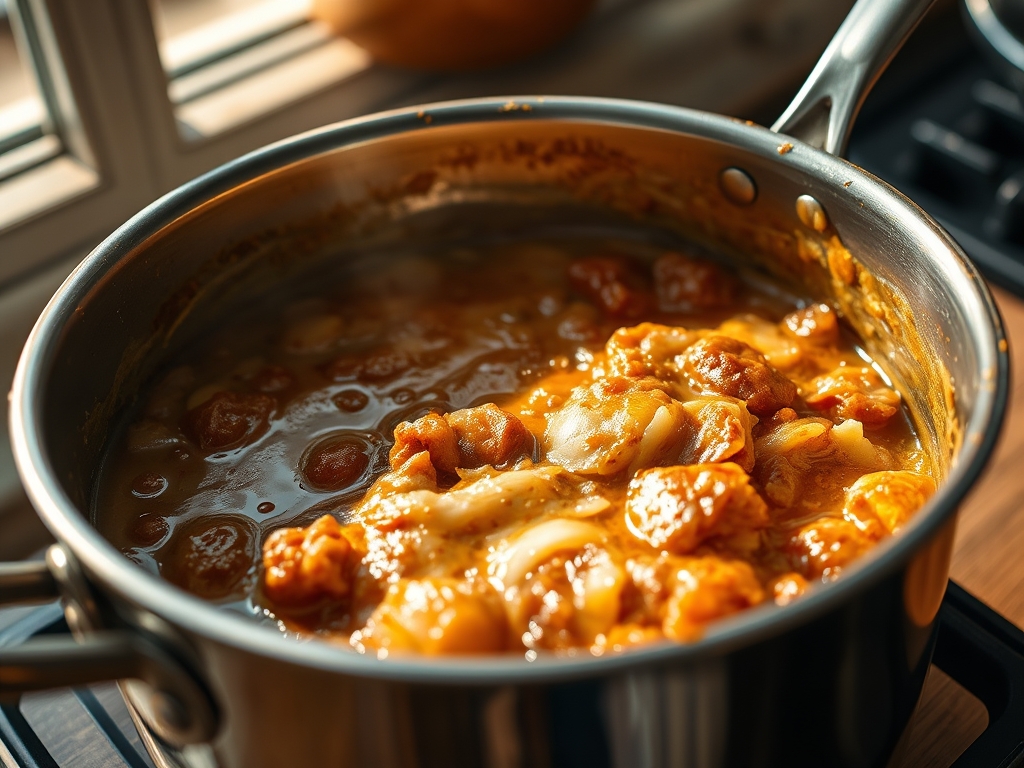
Drain all but 3 tablespoons of oil from the pan, keeping the "fond" (the brown bits). Add butter and 40g of flour to create a roux. Slowly whisk in the milk until thick and bubbling.
Pro Tip: Use a saucier or a flat-bottomed whisk to ensure you reach the corners of the pan. This allows you to deglaze every bit of flavor from the beef drippings, ensuring a rich, savory profile.
Section B: Prep & Timing Fault-Lines:
The most common human error is "crowding the pan." If you drop three steaks into the oil at once, the thermal mass of the meat will crash the oil temperature. This leads to a catastrophic failure of the crust's structural integrity. Fry in batches. Another timing error is the "delayed gravy." If your steaks sit for more than five minutes without being served, the residual steam will soften the underside. Use a warming oven set to 95C / 200F to maintain the crunch while you finalize the emulsion.
THE VISUAL SPECTRUM
Section C: Thermal & Visual Troubleshooting:
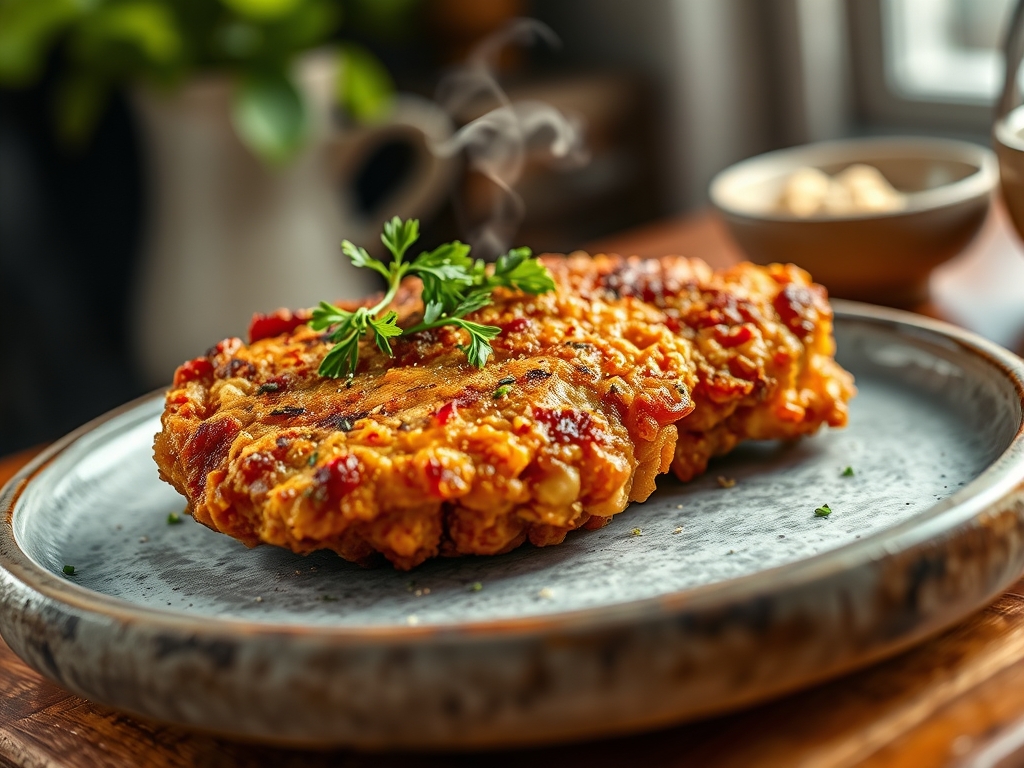
Referencing the Masterclass photo, your Chicken Fried Steak should exhibit a high-relief texture with distinct "nuggets" of fried batter. If your steak looks smooth or "bald," your dredge was too thin; increase the pressure during the final flour coating. If the color is pale yellow rather than golden brown, your oil temperature was too low, preventing the sugars and proteins from caramelizing. If you see dark black specks that are not pepper, your oil is "broken" and contains burnt flour particles from previous batches. Filter your oil through a fine-mesh sieve between batches to maintain visual purity. The gravy should be opaque and ivory, showing a suspension of coarse black pepper without any visible oil separation.
THE DEEP DIVE
Macro Nutrition Profile:
A standard serving (one steak with gravy) contains approximately 650 calories. The breakdown is roughly 35g Protein, 42g Carbohydrates, and 38g Fat. This is a high-density fuel source designed for labor-intensive recovery.
Dietary Swaps:
- Vegan: Replace cube steak with a double-frozen and pressed "tofu steak." Use soy milk and a flax-egg for the dredge. Use mushroom broth and coconut milk for a savory gravy infusion.
- Keto: Substitute flour with a 50/50 blend of almond flour and crushed pork rinds. Use heavy cream for the gravy and thicken with a pinch of xanthan gum.
- GF: Utilize a high-quality 1-to-1 gluten-free flour blend. Ensure it contains xanthan gum to provide the necessary elasticity for the breading to stick.
Meal Prep & Reheating Science:
To maintain the molecular structure when reheating, avoid the microwave at all costs. The microwave agitates water molecules, causing the crust to steam from the inside out. Instead, use an air fryer or toaster oven at 190C / 375F for 5 minutes. This re-activates the fats in the crust, crisping it back to its original state. Store gravy separately and reheat in a small saucepan with a splash of milk to restore the viscous flow.
THE KITCHEN TABLE
Why does my breading always fall off?
This is usually due to "surface moisture." If the meat is damp when it hits the flour, it creates a layer of steam that pushes the crust away. Pat the meat dry and allow the breaded steak to rest before frying.
Can I use a different cut of meat?
While cube steak is traditional, you can use flank steak or top round. However, you must manually tenderize it with a spiked mallet until it is thin and pliable to ensure the fibers break down during the fast fry.
What is the best oil for frying?
High smoke-point oils are mandatory. Peanut oil is the gold standard for flavor and stability. Grapeseed oil is a neutral alternative. Avoid extra virgin olive oil; it will smoke and turn bitter at these temperatures.
How do I fix lumpy gravy?
If your roux wasn't fully incorporated, lumps will form. Remove the pan from the heat and use an immersion blender to force an emulsion. Alternatively, pour the gravy through a fine-mesh strainer to remove the structural defects.