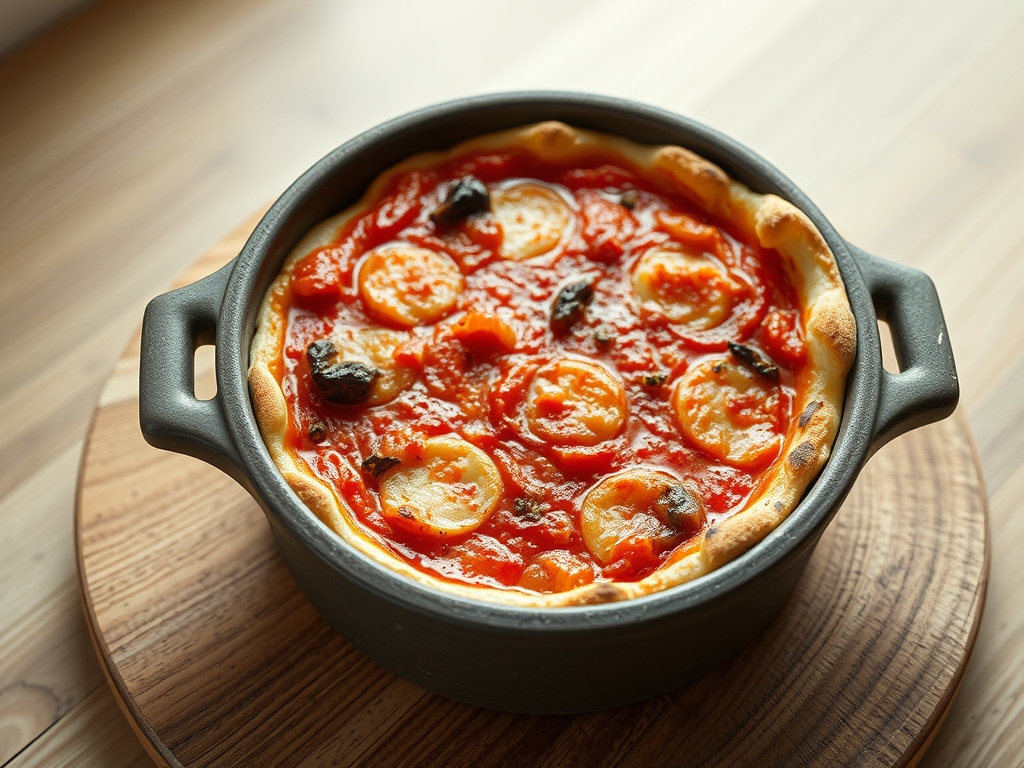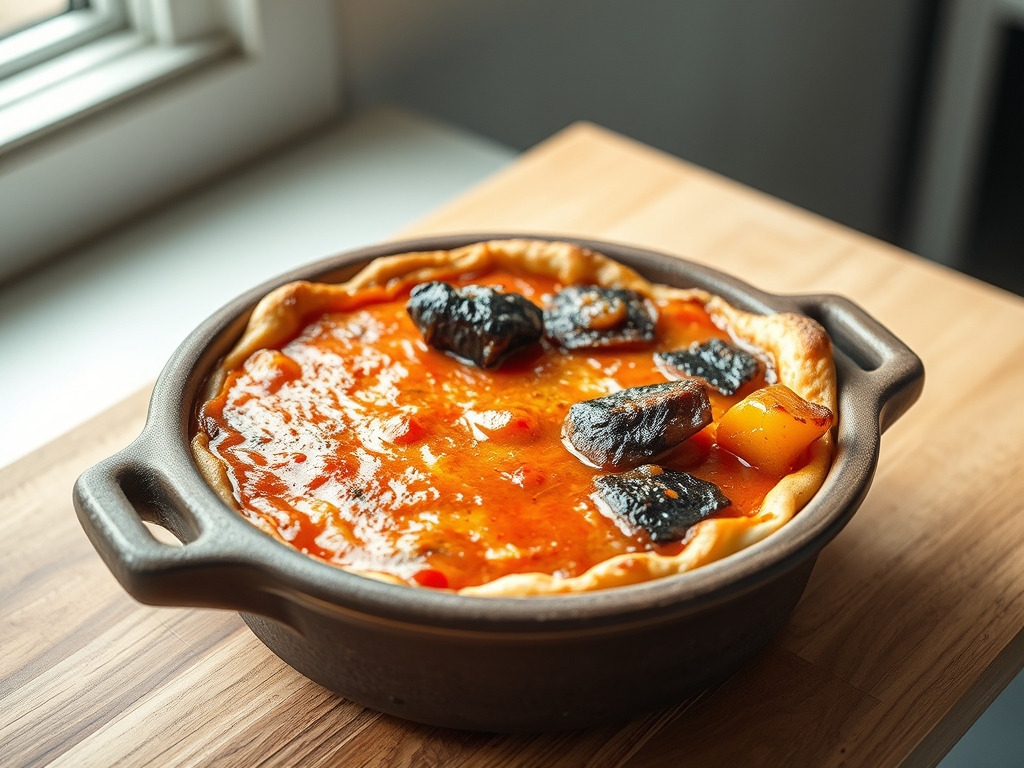
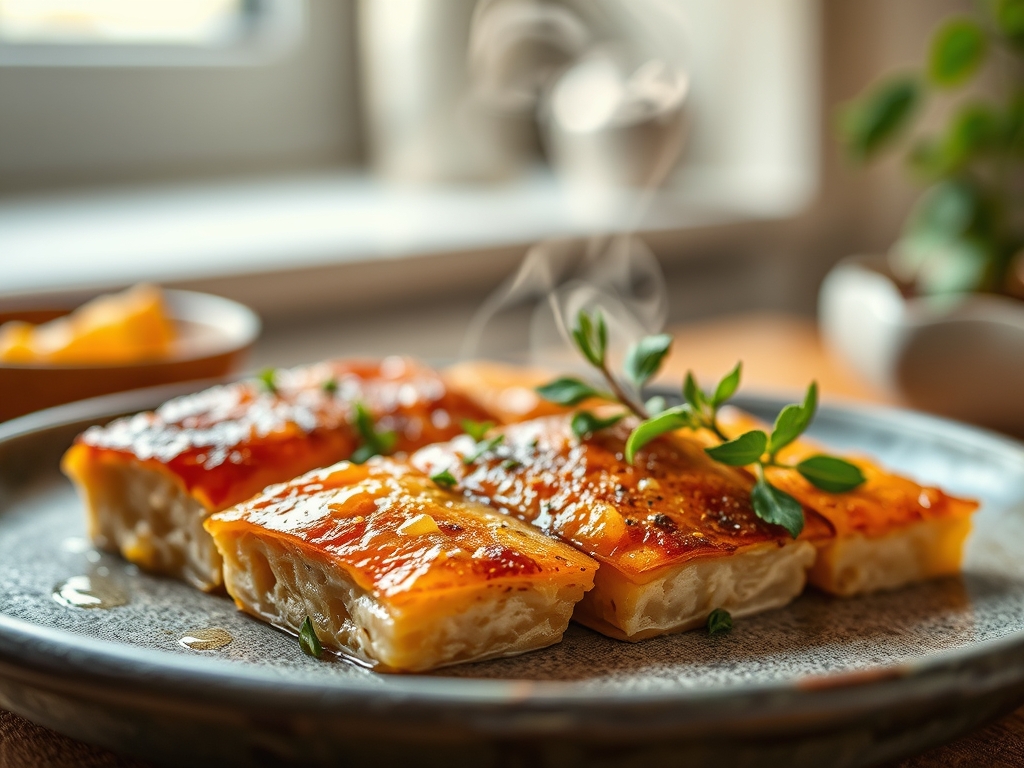
Imagine a landscape where the atmosphere is thick with steam and the scent of rendered beef fat clings to the air like a savory fog. This is the realm of the Great British pudding; a structure built not on the fragile, crumbly foundations of butter pastry, but on the rugged, cellular integrity of bovine lipids. We are conducting a forensic analysis of Suet Crust Infrastructure. This is the heavy lifting of the pastry world. While puff pastry preens and shortcrust shatters, suet crust absorbs. It is a sponge for gravy; a thermal shield that protects tender cuts of meat or sweet preserves from the relentless heat of the steamer. To master this, you must understand that you are not just cooking; you are engineering a porous, aerated matrix capable of defying gravity and liquid saturation. We are looking for a specific structural result: a pale, pillowy exterior that conceals a rich, moist interior. It is the ultimate comfort food, re-engineered for the modern kitchen auditor who demands precision, durability, and a piquant finish.
THE DATA MATRIX
| Metric | Specification |
|---|---|
| Prep Time | 20 Minutes |
| Execution Time | 2.5 to 4 Hours (Steam Dependent) |
| Yield | 6 to 8 Servings |
| Complexity | 4 / 10 |
| Estimated Cost per Serving | $1.85 / 1.60 GBP |
THE GATHERS
Ingredient Protocol:
- Self-Raising Flour: 350g / 2.75 cups
- Shredded Beef Suet (Chilled): 175g / 1.25 cups
- Fine Sea Salt: 5g / 1 teaspoon
- Ice Cold Water: 150ml to 200ml / 0.6 to 0.8 cups
- Fresh Thyme (Optional for Savory): 5g / 1 tablespoon
- Unsalted Butter (For Greasing): 15g / 1 tablespoon
Section A: Ingredient Quality Audit:
The most common failure in Suet Crust Infrastructure is the use of "room temperature" fats. If your suet feels soft or greasy before it hits the flour, your structural integrity is compromised. Technical Fix: Flash-freeze your shredded suet for 15 minutes before mixing to ensure the fat pellets remain discrete. If using a vegetarian substitute, ensure it has a high melting point; lower-quality vegetable suets often dissolve too quickly, leading to a leaden, dense mass rather than an aerated crumb. Furthermore, check the expiration of your leavening agents. If the self-raising flour is stale, the crust will fail to aerate, resulting in a "claggy" texture that sits heavy on the palate.
THE MASTERCLASS
1. The Dry Integration
Sift your flour and salt into a large stainless steel mixing bowl. Add the chilled suet and use a bench scraper to toss the mixture until every pellet of fat is coated in a fine layer of flour. Do not use your hands yet; the goal is to prevent the heat from your palms from melting the suet.
Pro Tip: This stage is about creating "fat pockets." When the pudding steams, these pockets melt and leave behind tiny voids. The steam then enters these voids, causing the dough to expand and create that signature light, spongy texture.
2. Hydration and Binding
Gradually add the ice-cold water while stirring with a palette knife. You are looking for a soft, slightly tacky dough that leaves the sides of the bowl clean. Do not overwork the mixture. If the dough becomes viscous or elastic, you have developed too much gluten, which will turn your crust into a rubbery casing.
Pro Tip: Use a digital scale to measure your water by weight rather than volume for 100% accuracy. Atmospheric humidity can affect how much liquid the flour absorbs, so add the last 20ml drop by drop.
3. Structural Molding
Turn the dough onto a lightly floured surface and bring it together into a ball. Roll it out to a thickness of approximately 1cm. If making a traditional basin pudding, cut out a quarter-wedge to allow the dough to fit the conical shape of the bowl without overlapping excessively.
Pro Tip: Use a saucier to prepare any internal fillings (like a steak and kidney mix) beforehand. Ensure the filling is completely cold before it touches the dough to prevent the fat from rendering prematurely.
4. The Thermal Seal
Grease your pudding basin generously with butter. Fit the dough into the basin, ensuring there are no air gaps between the crust and the walls. Add your filling, then top with a dough lid. Seal the edges by pinching them together firmly. Cover with pleated greaseproof paper and foil, then tie securely with kitchen string.
Pro Tip: The pleat in the paper acts as an expansion joint. As the leavening agents react to the heat, the pudding will grow. Without this pleat, the pressure will cause the seal to rupture, allowing steam to enter and turn the crust into a soggy mess.
Section B: Prep & Timing Fault-Lines:
Timing is the silent killer of the steamed pudding. If the water in your steamer runs dry, the internal temperature of the pudding will fluctuate, leading to an uneven render of the fats. Technical Fix: Always keep a kettle of boiling water ready to top up the steamer. Never add cold water to the pot, as this drops the ambient temperature and halts the cooking process. If the pudding is under-steamed, the center will remain doughy and raw; if over-steamed, the crust can become tough and lose its delicate pale color.
THE VISUAL SPECTRUM
Section C: Thermal & Visual Troubleshooting:
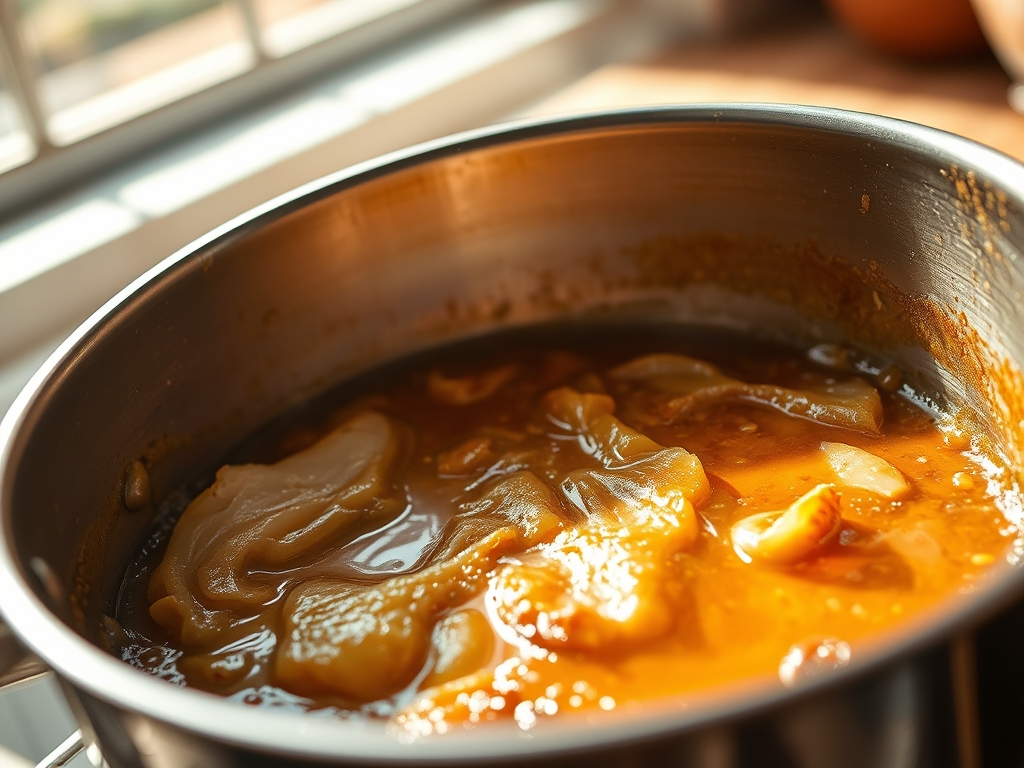
In the Masterclass photo, observe the "Suet Crust Infrastructure" has a matte, ivory finish with visible, tiny perforations on the surface. If your crust appears translucent or "glassy," you have likely over-hydrated the dough or the steamer was too hot, causing the fat to liquefy and soak into the flour. If the crust is dark brown, you have strayed into baking territory; traditional suet crust should remain pale. For uneven browning, check the seal of your foil lid. Any steam escaping will create "hot spots" where the dough dries out and hardens. A perfect result should yield a crust that is firm to the touch but yields easily to a spoon, revealing a moist, cake-like interior that has begun to infuse with the juices of the filling.
THE DEEP DIVE
Macro Nutrition Profile:
Suet crust is a high-density energy source. A standard serving contains approximately 450-600 calories, primarily derived from saturated fats and complex carbohydrates. It is designed for satiety and slow-release energy.
Dietary Swaps:
- Vegan: Replace beef suet with a high-quality vegetable suet (ensure it is palm-oil free for better flavor). Use a plant-based "buttermilk" (soy milk plus lemon juice) for extra lift.
- Keto: This is a challenge due to the flour requirement. A mix of almond flour, vital wheat gluten, and cold grated butter can mimic the texture, though it lacks the traditional "lift."
- Gluten-Free: Use a 1-to-1 GF flour blend containing xanthan gum. Increase the water content by 10% as GF flours tend to be more desiccated.
Meal Prep & Reheating Science:
To maintain the molecular structure, do not microwave leftover suet pudding; this turns the fat into a greasy liquid and toughens the flour proteins. Instead, re-steam slices for 15 minutes. This re-hydrates the starch molecules and restores the "spring" to the crust.
THE KITCHEN TABLE
Why is my suet crust so heavy?
Usually, this is due to over-mixing or old self-raising flour. Over-handling develops gluten, which creates a bread-like density rather than a light, aerated crumb. Keep your movements light and your ingredients cold.
Can I use butter instead of suet?
You can, but the result will be a "shortcrust" rather than a "suet crust." Butter has a lower melting point and contains water, which changes the steam-hole architecture and results in a flakier, less spongy texture.
How do I stop the pudding from sticking?
Generously grease the basin with softened butter. For extra insurance, place a small circle of parchment paper at the very bottom of the bowl before adding the dough. This ensures a clean release every time.
What is the best way to store uncooked suet dough?
Suet dough does not store well because the leavening agents begin to react as soon as they hit moisture. It is best to prepare, assemble, and steam immediately for the highest structural integrity.