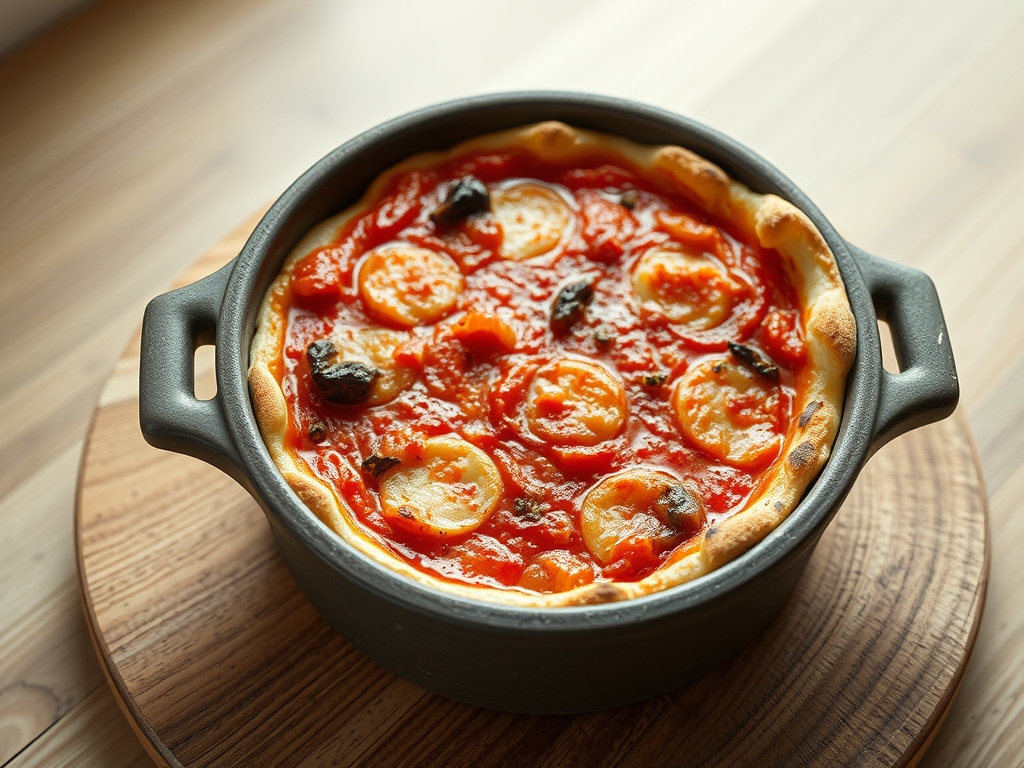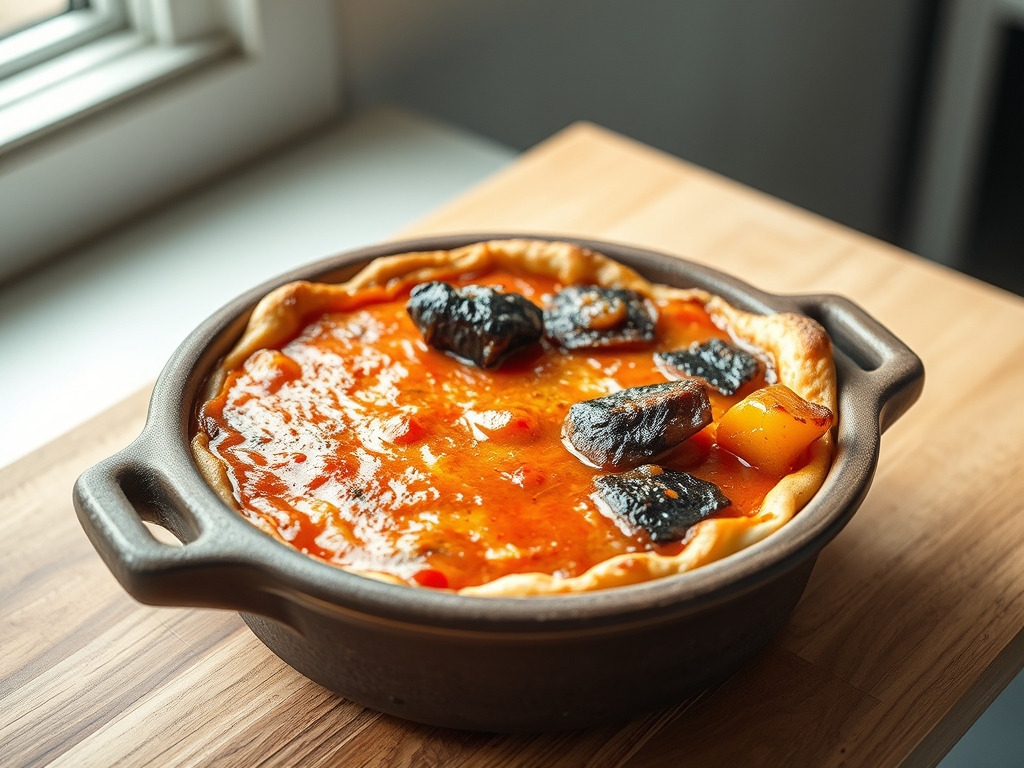
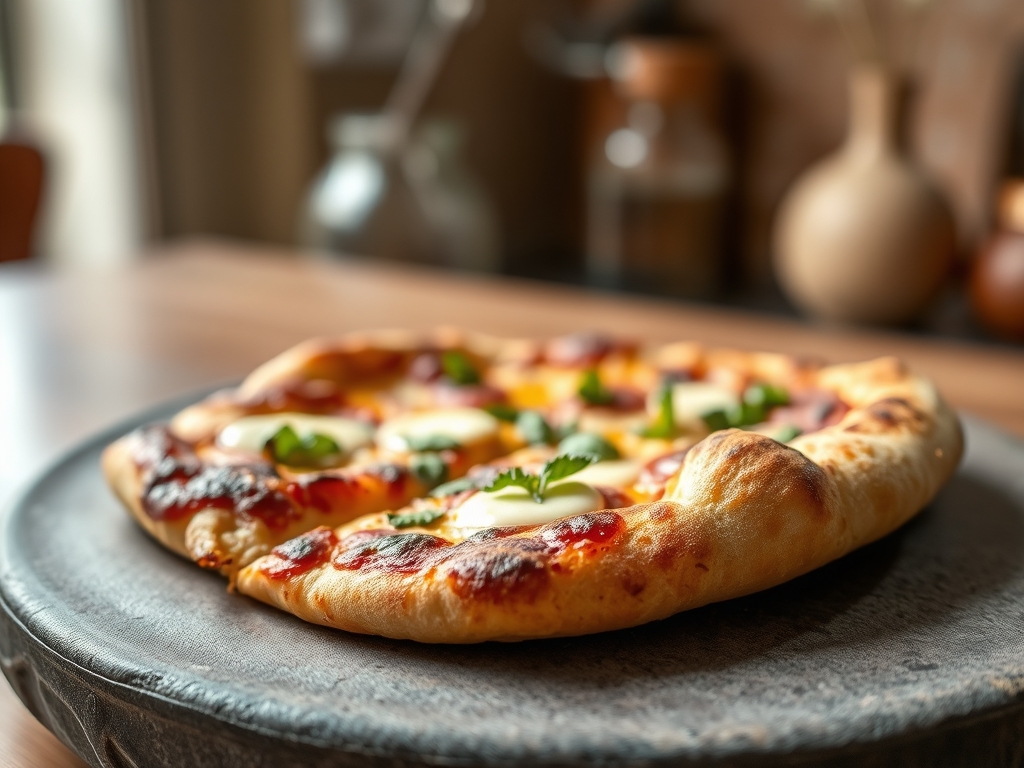
The roar of the charcoal chimney is your first warning that the kitchen is about to become a theater of thermal dynamics. Forget the domestic oven with its stagnant, recirculated air. We are hunting for the ultimate Grilled Pizza Crust; a structural marvel that requires a violent exchange of infrared heat and rapid moisture evaporation. When dough meets a white-hot grate, the reaction is instantaneous. The surface sugars undergo a frantic Maillard transformation, while the interior moisture flashes into steam, creating those signature airy pockets known as "leopard spotting." This is not just cooking; it is an engineering project where the stakes are measured in crispness and structural integrity. A perfect crust must be rigid enough to support a payload of molten cheese, yet supple enough to yield with a satisfying tear. We are balancing on the edge of carbonization. One second too long and you have charcoal; one second too short and you have a limp, doughy failure. Prepare your station. We are about to redefine the infrastructure of the backyard pie.
THE DATA MATRIX
| Metric | Specification |
|---|---|
| Prep Time | 20 Minutes (plus 24-hour cold ferment) |
| Execution Time | 8 Minutes |
| Yield | 4 Individual 12-inch Crusts |
| Complexity (1-10) | 7 |
| Estimated Cost per Serving | $1.45 |
THE GATHERS
Ingredient Protocol:
- 500g / 3.75 cups Tipo 00 Flour (High protein for elasticity)
- 325ml / 1.3 cups Filtered Water (Room temperature, 21C)
- 10g / 2 tsp Fine Sea Salt
- 3g / 1 tsp Active Dry Yeast
- 15ml / 1 tbsp Extra Virgin Olive Oil (For surface tension)
- 5g / 1 tsp Diastatic Malt Powder (Optional: for enhanced browning)
Section A: Ingredient Quality Audit:
If your flour feels gritty or fails to hold a shape, you likely have a low-protein "all-purpose" variant masquerading as bread flour. This lacks the gluten network necessary to withstand the high-heat expansion of the grill. Fix: Add 10g of vital wheat gluten to the mix to reinforce the architecture. If your yeast fails to bloom or looks like a viscous sludge, it is dead. Always test a small pinch in warm water with sugar before committing your bulk flour. Finally, avoid tap water with high chlorine content; it inhibits yeast activity and produces a piquant, chemical aftertaste in the finished crumb. Use filtered water to ensure a clean fermentation profile.
THE MASTERCLASS
1. Hydration and Autolyse
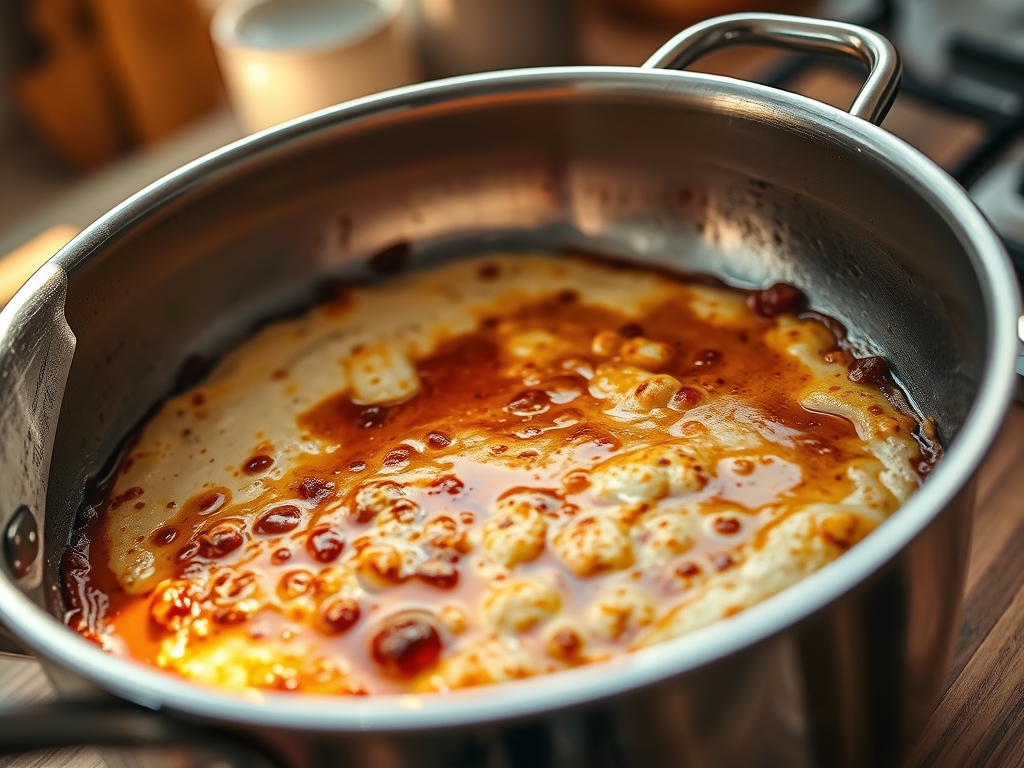
Combine your flour and water in a stainless steel mixing bowl. Stir until no dry flour remains, then let it rest for 20 minutes. This process, known as autolyse, allows the flour to fully hydrate and begins gluten development without manual labor.
Pro Tip: Use a digital scale for this step. Volumetric measurements are notoriously inaccurate; a "cup" of flour can vary by 20 percent depending on how tightly it is packed. Precision is the bedrock of consistency.
2. The Knead and Emulsification
Incorporate the yeast, salt, and olive oil. Work the dough on a clean surface until it is smooth and elastic. You are looking for the "windowpane test," where a small piece of dough can be stretched thin enough to see light through it without tearing.
Pro Tip: Use a metal bench scraper to manage high-hydration doughs. It keeps your hands clean and allows you to fold the dough over itself to aerate the internal structure, trapping the gases produced during fermentation.
3. The Cold Ferment Strategy
Place the dough in a lightly oiled container and refrigerate for at least 24 hours. Cold fermentation slows down the yeast, allowing complex organic acids to develop. This is where the flavor profile moves from "white bread" to "artisan sourdough."
Pro Tip: A thermopen or infrared thermometer can check the internal temperature of your fridge. Aim for 3 to 4 degrees Celsius. If the environment is too cold, the yeast will go dormant; too warm, and it will over-proof and collapse.
4. Thermal Calibration of the Grill
Fire your charcoal until it is covered in gray ash. You need a two-zone setup: a screaming hot side for the initial sear and a cooler side for melting toppings. The grates must be scrubbed and oiled to prevent sticking.
Pro Tip: Use a long-handled offset spatula or specialized pizza peel to move the dough. The radiant heat at the grate level can exceed 370 degrees Celsius. Speed is your only protection against a scorched base.
5. The Direct-Heat Singe
Stretch your dough into a 12-inch round. Carefully lay it directly onto the hot grates. Within 45 to 60 seconds, the dough will puff and develop charred grill marks. Flip it immediately using your peel.
Pro Tip: This is the moment to infuse the crust with smoke. Close the grill lid for 30 seconds after the flip. The trapped smoke will render a deep, woody aroma into the soft top-side of the dough before you add toppings.
Section B: Prep & Timing Fault-Lines:
The most common failure in Grilled Pizza Crust production is "The Logistical Bottleneck." If you stretch all your dough at once, it will stick to the counter before it hits the grill. Stretch and grill one at a time. If the dough is snapping back like a rubber band, it hasn't rested long enough at room temperature. Give it 30 more minutes to relax the gluten. If the exterior is burnt but the interior is raw, your charcoal is too close to the grate. Move the coals to the perimeter to create a more balanced convection environment.
THE VISUAL SPECTRUM
Section C: Thermal & Visual Troubleshooting:
Referencing the Masterclass photo, notice the bubbly, uneven topography. If your crust looks flat like a cracker, you likely overworked the dough or killed the yeast with hot water. The "leopard spots" should be dark brown or black, but the surrounding areas should be a deep golden hue. If the crust is a uniform, pale tan, your grill temperature was too low, resulting in a tough, dehydrated texture rather than a crisp one. Dull colors often indicate a lack of salt or sugar in the dough, which prevents the Maillard reaction from reaching its full potential. Ensure your grates are clean; old carbon buildup creates "dirty" black streaks that taste bitter rather than smoky.
THE DEEP DIVE
Macro Nutrition Profile:
A single 12-inch crust (un-topped) contains approximately 850 calories, 170g of carbohydrates, 28g of protein, and 8g of fat. The high protein content from the Tipo 00 flour provides a significant amino acid boost compared to standard pastry flours.
Dietary Swaps:
- Vegan: This recipe is naturally vegan. Ensure your sugar (if used for yeast blooming) is bone-char free.
- Keto: Replace flour with a blend of almond flour, psyllium husk, and vital wheat gluten. Note: The Maillard reaction will be less pronounced.
- Gluten-Free: Use a high-quality 1-to-1 GF baking flour with added xanthan gum. Increase hydration by 10 percent as GF flours are highly absorbent.
Meal Prep & Reheating Science:
To maintain the molecular structure, par-bake the crusts on the grill for 60 seconds per side, then freeze with parchment paper separators. To reheat, do not use a microwave; it vibrates water molecules and turns the crust into a rubbery mess. Use a cast-iron skillet or a 200C oven to re-crisp the base and deglaze any residual moisture.
THE KITCHEN TABLE
Why does my dough keep shrinking back when I stretch it?
Your gluten is too tight. The proteins are acting like coiled springs. Cover the dough with a damp cloth and let it rest for 15 minutes at room temperature. This allows the protein chains to relax and become more extensible.
Can I use a pizza stone on the grill?
Yes, but it changes the infrastructure. A stone provides conductive heat, while the grates provide direct infrared heat. Grates create the signature "charred dough" flavor profile and faster cooking times. A stone is safer for beginners but less authentic.
What is the best way to prevent sticking?
Oil the grates, not the dough. Use a high-smoke point oil like grapeseed or avocado oil. Apply it with a folded paper towel held by tongs right before the dough hits the heat to ensure a clean release every time.
Why is my crust soggy in the middle?
You likely overloaded the toppings or used "wet" mozzarella. High-moisture ingredients release steam that gets trapped. Use low-moisture cheese and pre-cook watery vegetables like mushrooms or peppers to ensure the crust stays rigid and crisp under the payload.