The structural integrity of a pizza is not merely a culinary choice; it is a high-stakes engineering challenge where the perimeter serves as the primary containment vessel for molten dairy. Welcome to the world of Stuffed Crust Logic. We are no longer satisfied with a dry, bready wasteland at the edge of the pie. We demand a fortified boundary that hides a reservoir of viscous mozzarella, protected by a gluten network capable of resisting internal steam pressure. This is the infrastructure of the edge. When you bite into a properly executed stuffed crust, you are experiencing a controlled structural failure where the piquant notes of the dough meet the creamy release of the core. It requires a mastery of hydration and elasticity. If your dough is too tight, it snaps; if it is too slack, the cheese breaches the hull and creates a carbonized mess on your stone. We are here to audit your process and ensure every millimeter of that perimeter is optimized for maximum flavor delivery and thermal retention.
THE DATA MATRIX
| Metric | Specification |
|---|---|
| Prep Time | 20 Minutes (plus 24-hour cold ferment) |
| Execution Time | 12 Minutes |
| Yield | 2 Large Perimeter-Fortified Pizzas |
| Complexity (1-10) | 8 |
| Estimated Cost per Serving | $3.25 |
THE GATHERS
Ingredient Protocol:
- 500g / 3.75 cups "00" High-Protein Flour
- 325ml / 1.3 cups Filtered Water (65 degrees F)
- 10g / 2 tsp Fine Sea Salt
- 3g / 1 tsp Active Dry Yeast
- 15ml / 1 tbsp Extra Virgin Olive Oil
- 250g / 8.8 oz Low-Moisture Part-Skim Mozzarella String (for the core)
- 5ml / 1 tsp Garlic-Infused Oil (for the finish)
Section A: Ingredient Quality Audit:
If your dough feels like wet sand, your flour lacks the protein density required to aerate and stretch. Switch to a flour with at least 12.5 percent protein to ensure the gluten can encapsulate the cheese without tearing. If your yeast fails to bloom, the water temperature was likely too high, effectively killing the microorganisms before they could work. Use a digital thermometer to verify your water is between 60 and 70 degrees Fahrenheit for a slow, controlled ferment. Sub-par cheese is the most common failure point; pre-shredded varieties are coated in potato starch which prevents a smooth melt. Only use high-quality string cheese or block mozzarella hand-cut into batons to ensure a uniform, viscous interior.
THE MASTERCLASS

1. Hydration and Autolyse
Combine your flour and water in a stainless steel bowl and mix until no dry flour remains. Let this shaggy mass rest for thirty minutes. This allows the flour to fully hydrate, making the subsequent kneading process more efficient.
Pro Tip: Use a bench scraper to manage the dough during this phase; it keeps your hands clean and maintains the precise hydration ratio by preventing dough loss on your skin. This step initiates the enzymatic breakdown of proteins, making the dough more extensible for the fold.
2. The Kinetic Knead
Incorporate the salt and yeast. Work the dough on a clean surface until it reaches the "windowpane" stage, where a small piece can be stretched thin enough to see light through it without breaking.
Pro Tip: A digital scale is non-negotiable here. Measuring by volume is for amateurs. Precise mass ensures that the CO2 production is consistent, which is vital for the Stuffed Crust Logic requirement of a light, airy perimeter.
3. Perimeter Engineering
After a 24-hour cold ferment, roll the dough out two inches wider than your target pizza size. Place the mozzarella batons one inch from the edge. Fold the excess dough over the cheese and press firmly into the base to create a hermetic seal.
Pro Tip: Use a saucier to warm your garlic oil while the oven preheats. Brushing the sealed edge with oil before baking creates a localized deep-fry effect, accelerating the Maillard reaction for a shattering, golden exterior.
4. Thermal Injection
Slide the pizza onto a preheated stone or steel at 500 degrees Fahrenheit. The intense floor heat will cause the air pockets in the dough to expand rapidly while the cheese core begins to render its fats.
Pro Tip: Use a perforated pizza peel to transfer the pie. This allows excess flour to fall away, preventing the bitter, burnt taste of carbonized raw flour on the bottom of your crust.
Section B: Prep & Timing Fault-Lines:
The most common human error is rushing the cold ferment. Without at least 24 hours in the refrigerator, the dough will be "snappy" and resist the fold, leading to a perimeter that unravels in the heat. Temperature control is equally critical. If the cheese is frozen when injected, the dough will burn before the center melts. If the cheese is too warm, it will liquify and blow out the side of the crust. Ensure your cheese batons are pulled from the fridge exactly ten minutes before assembly.
THE VISUAL SPECTRUM
Section C: Thermal & Visual Troubleshooting:
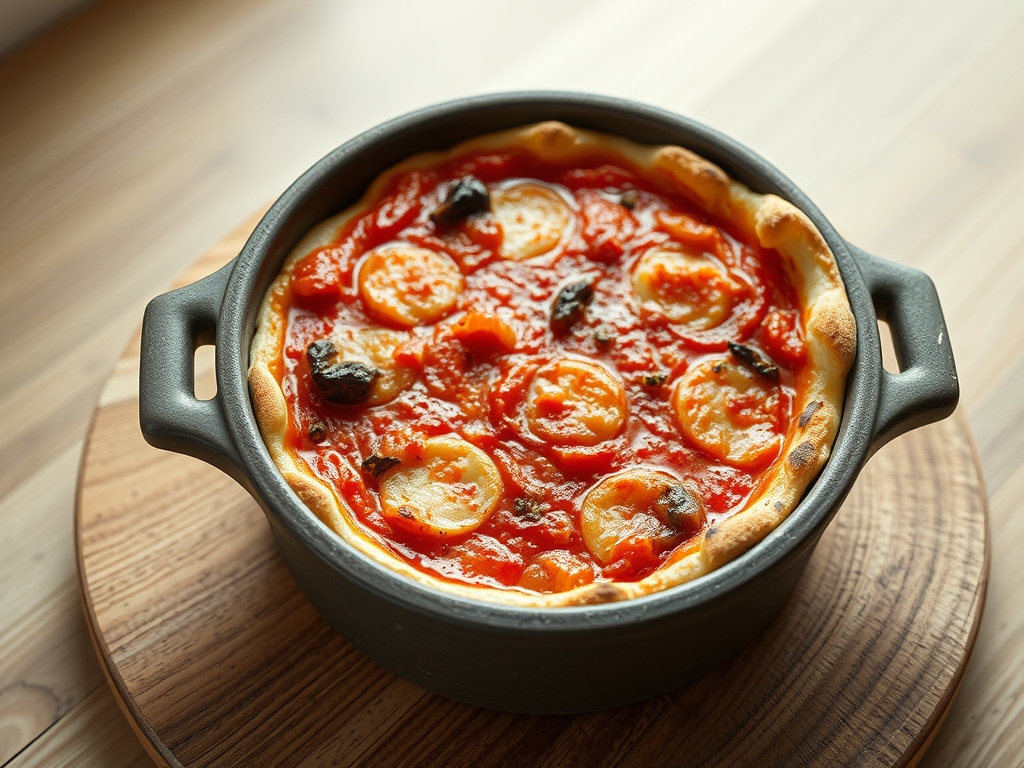
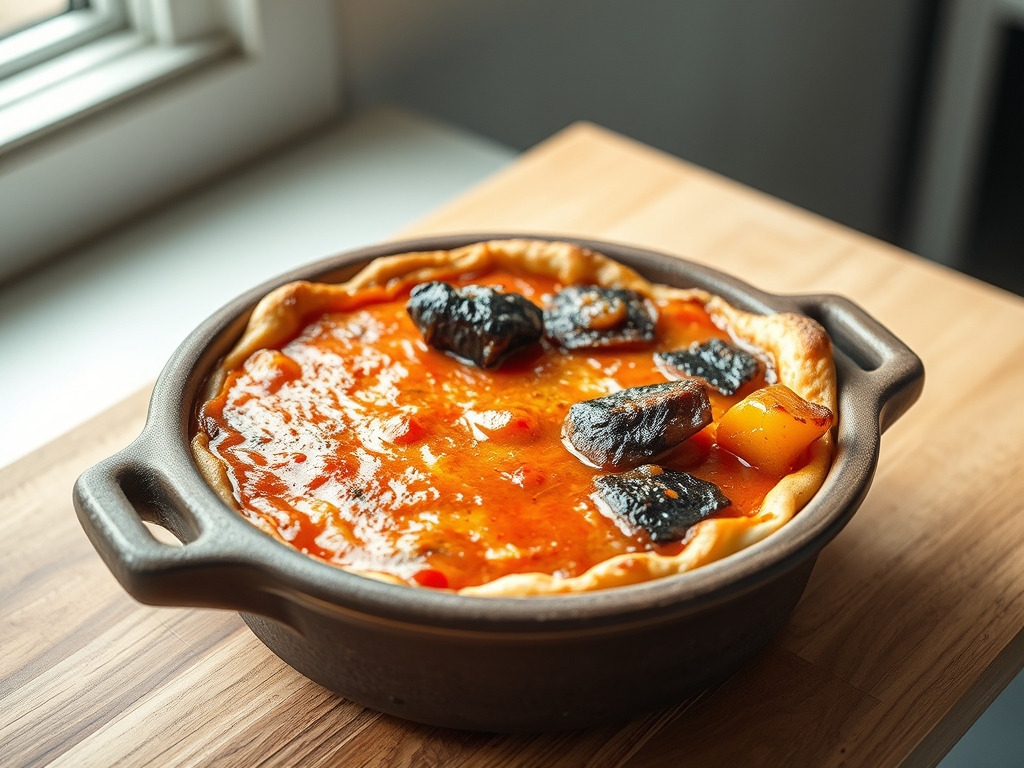
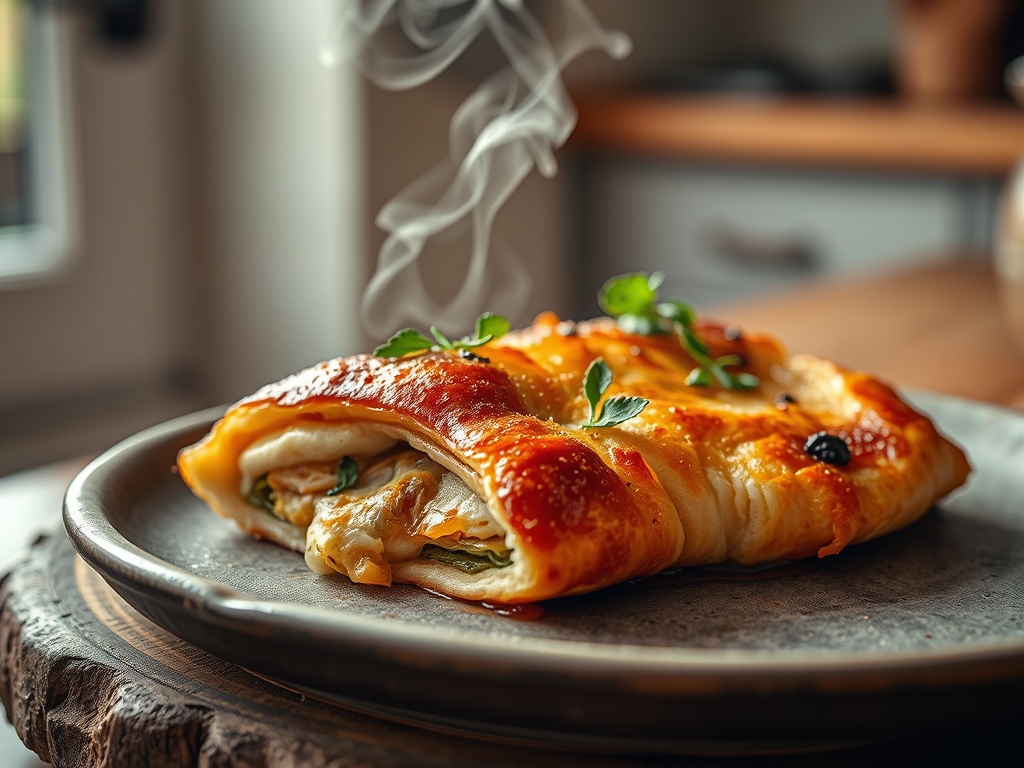
Referencing the Masterclass photo, look for the "leopard spotting" on the raised edge. This indicates a high-temperature bake and proper fermentation. If your crust is a dull, uniform beige, your oven temperature was too low or your dough lacked sufficient sugars from a long ferment. If the cheese has leaked out, your seal was not pressed firmly enough; the dough must be fused to itself, not just folded. A matte finish on the crust suggests a lack of moisture. A light misting of water or a brush of oil before the bake will infuse the surface with a professional sheen and improve the crunch.
THE DEEP DIVE
Macro Nutrition Profile:
A single slice of a perimeter-fortified pie typically contains 350 to 420 calories. The protein count is significantly higher than standard crusts due to the concentrated dairy core, averaging 18g per slice. Carbohydrates sit at approximately 45g, with fats ranging from 15g to 20g depending on the cheese density.
Dietary Swaps:
For a Vegan protocol, utilize a cashew-based mozzarella substitute with high lactic acid content to mimic the piquant tang of dairy. For Gluten-Free requirements, increase the hydration to 80 percent and add xanthan gum to provide the structural elasticity needed to wrap the cheese. Keto practitioners should utilize a "Fathead" dough base made of almond flour and melted cheese to maintain the Stuffed Crust Logic.
Meal Prep & Reheating Science:
To maintain the molecular structure when reheating, avoid the microwave at all costs. The microwave agitates water molecules, turning the crust into a rubbery mess. Instead, use a dry skillet over medium heat for three minutes to crisp the bottom, then add a teaspoon of water to the pan and cover with a lid for sixty seconds. This creates a localized steam chamber that re-melts the cheese core without compromising the perimeter's integrity.
THE KITCHEN TABLE
Why does my cheese core disappear?
Low-quality cheese with high water content evaporates during the bake. Always use low-moisture mozzarella. The steam escapes through the dough pores, leaving an empty "ghost" cavity where the flavor used to live.
Can I use cheddar for the injection?
Cheddar has a lower oil-separation point than mozzarella. It will render into a greasy puddle rather than staying viscous. If you must use it, blend it 50/50 with mozzarella to maintain structural stability.
How do I prevent the dough from shrinking?
Shrinkage is a sign of overworked gluten. If the dough fights back, cover it and let it rest for fifteen minutes. This allows the protein strands to relax, making the perimeter expansion much easier to manage.
Is a pizza stone necessary?
Yes. Without the thermal mass of a stone, the bottom of the crust will be soggy while the stuffed edge remains raw. The stone provides the immediate heat transfer required to "set" the dough's structure instantly.