Listen up, kitchen architects. We are not here to bake bread; we are here to engineer a structural masterpiece of deep mahogany and shattered glass texture. If your current crust looks like a pale, sickly sponge, you are failing the fundamental laws of organic chemistry. The secret to that aggressive, mahogany sheen is the aggressive manipulation of pH levels. We are talking about the gold standard of alkaline washes: Pretzel Crust Lye. This is the heavy artillery of the culinary world. While baking soda is a polite suggestion, food-grade sodium hydroxide is a command. It forces the Maillard reaction into overdrive, stripping the starch molecules and rearranging them into a savory, bitter-sweet lacquer that defines the elite snack category. We are hunting for that specific, piquant aroma that only a high-pH bath can provide. Put on your safety goggles and clear the bench; we are about to turn simple dough into a high-performance carbohydrate vehicle that demands respect from every taste bud in the room.
THE DATA MATRIX
| Metric | Specification |
|---|---|
| Prep Time | 90 Minutes |
| Execution Time | 25 Minutes |
| Yield | 12 Architectural Units |
| Complexity (1-10) | 8 (Chemical Handling Required) |
| Estimated Cost per Serving | $0.45 |
THE GATHERS
Ingredient Protocol:
- 500g / 4 cups High-Protein Bread Flour (12.7% protein minimum)
- 300ml / 1.25 cups Filtered Water (65 degrees Fahrenheit)
- 10g / 2 tsp Fine Sea Salt
- 7g / 2.25 tsp Instant Yeast
- 30g / 2 tbsp Unsalted Butter (softened)
- 20g / 1.5 tbsp Barley Malt Syrup (for the authentic malty depth)
- 30g / 2 tbsp Food-Grade Lye Beads (Sodium Hydroxide)
- 1000ml / 4.25 cups Cold Distilled Water (for the lye solution)
- Flaky Finishing Salt (for the final aesthetic)
Section A: Ingredient Quality Audit:
If your flour lacks the necessary protein structure, your crust will collapse under the weight of the alkaline treatment. Ensure you are using bread flour rather than all-purpose; the gluten network must be robust enough to withstand the chemical bath. If your yeast is sluggish, your dough will be dense and leaden. Perform a bloom test if you suspect your leavening agent is past its prime. Regarding the Pretzel Crust Lye: never substitute industrial-grade chemicals. Use only certified food-grade sodium hydroxide. If your barley malt syrup is too viscous to pour, microwave it for ten seconds to improve its flow rate before integrating it into the wet mix.
THE MASTERCLASS
Step 1: The Structural Build
Combine your flour, salt, yeast, and softened butter in a heavy-duty stand mixer. Gradually add the water and barley malt syrup. Use a digital scale to ensure precision; volumetric measurements are for amateurs. Knead on low speed until the dough is smooth and clears the sides of the bowl.
Pro Tip: This stage is about building the gluten scaffolding. The butter helps to render a more tender crumb while the malt syrup provides the sugars necessary to infuse the dough with a complex, fermented flavor profile.
Step 2: The Primary Fermentation
Place the dough in a lightly oiled bowl and cover with a damp cloth. Let it rise at room temperature until doubled in size. Once risen, use a bench scraper to divide the dough into twelve equal portions, approximately 70g each.
Pro Tip: Temperature control is your primary variable. If your kitchen is cold, the yeast will not aerate the dough sufficiently. Aim for a consistent 75 degrees Fahrenheit to ensure the molecular expansion is uniform across all units.
Step 3: The Cold Proof
Shape your dough into tight spheres or traditional twists. Place them on a parchment-lined tray and refrigerate for at least four hours, or ideally overnight. This creates a "skin" on the dough that prevents it from absorbing too much of the lye solution.
Pro Tip: Cold proofing allows the enzymes to break down starches into simple sugars. This process is vital for the Maillard reaction to occur rapidly once the dough hits the high-heat environment of the oven.
Step 4: The Alkaline Immersion
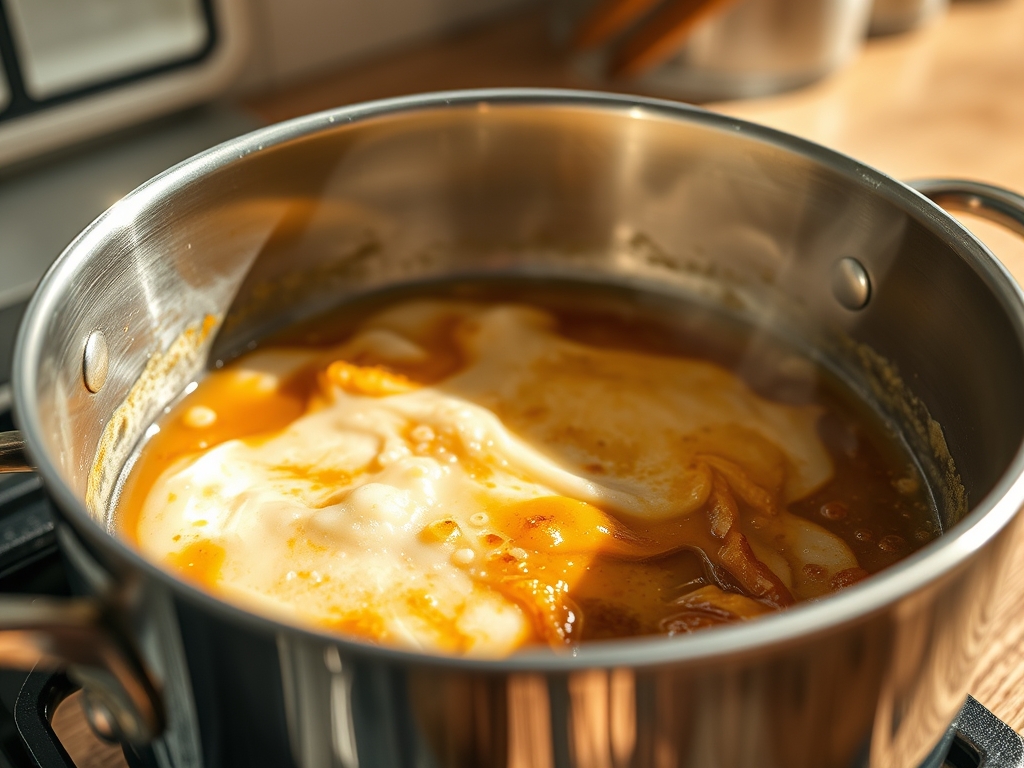
This is the critical phase. Wearing gloves, slowly add the lye beads to the distilled water in a stainless steel saucier or glass bowl. Never add water to lye; always add lye to water to avoid a thermal eruption. Dip each cold dough piece into the solution for exactly 30 seconds.
Pro Tip: The Pretzel Crust Lye creates a high-pH environment on the surface. This alkalinity breaks down the proteins and starches, allowing them to recombine during baking into that signature dark, glossy crust that is impossible to achieve with baking soda alone.
Step 5: The Thermal Execution
Score the tops of your pretzels with a sharp blade and sprinkle with flaky salt. Bake at 425 degrees Fahrenheit for 12 to 15 minutes until the exterior is a deep, burnished mahogany. Transfer to a wire rack immediately to prevent the bottom from becoming soggy.
Pro Tip: Use a convection setting if available. The moving air helps to deglaze any moisture on the surface, ensuring the crust shatters upon impact. The visual cue is a deep chocolate-brown hue with zero pale spots.
Section B: Prep & Timing Fault-Lines:
The most common failure is the "over-soak." If you leave the dough in the lye for more than 40 seconds, the chemical will penetrate the interior, resulting in a soapy, metallic aftertaste. Conversely, if your oven is not fully preheated, the dough will expand too quickly and tear the alkaline skin, leaving unsightly white gaps in your crust. Use an oven thermometer to verify your thermal environment before the pretzels make contact with the rack.
THE VISUAL SPECTRUM
Section C: Thermal & Visual Troubleshooting:
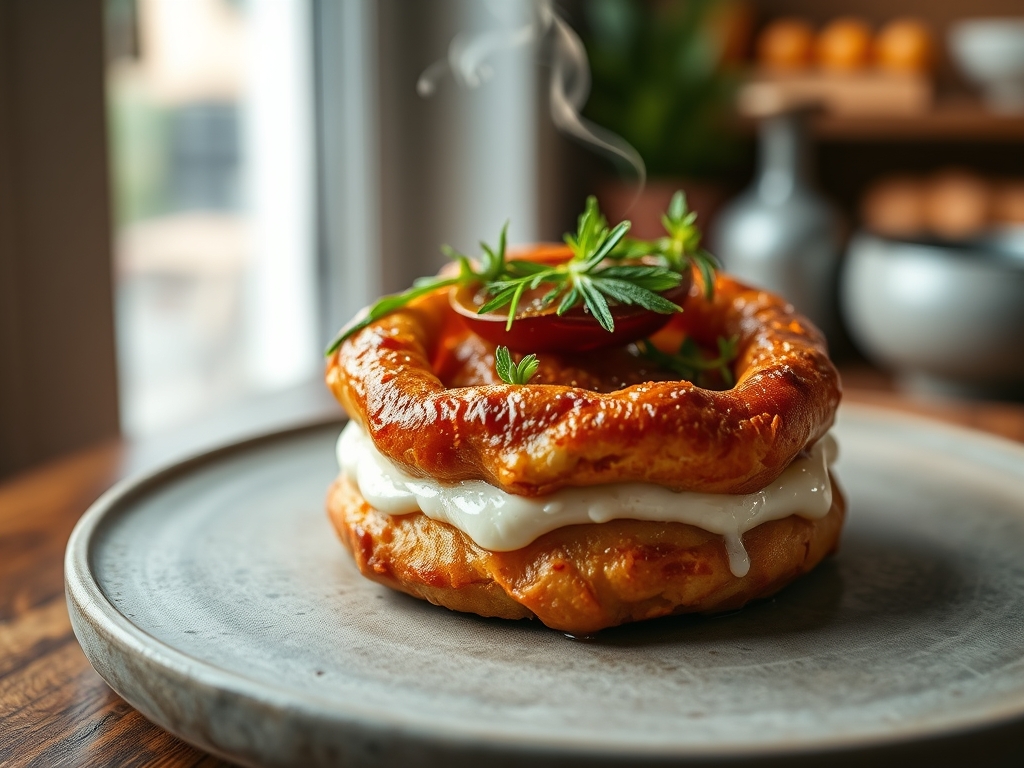
Referencing the Masterclass photo, you are looking for a uniform, glass-like finish. If your pretzels appear dull or matte, your lye solution was likely too weak or your dough was too warm during the dip. A "spotted" appearance indicates that the lye beads did not fully dissolve or that condensation formed on the dough during the cold proof. If the crust is pale, you likely used baking soda instead of the required Pretzel Crust Lye; the pH difference is too great to ignore. For a professional sheen, ensure the dough is "skin-dry" before it enters the oven.
THE DEEP DIVE
Macro Nutrition Profile:
Each unit contains approximately 210 calories, 4g of fat, 38g of carbohydrates, and 6g of protein. The high sodium content from the lye bath and finishing salt makes these an electrolyte-heavy snack; consume with adequate hydration.
Dietary Swaps:
- Vegan: Substitute the butter with an equal amount of coconut oil or vegan margarine.
- Keto: This is a high-carb architecture; there is no direct keto equivalent that maintains the structural integrity of a lye-dipped crust.
- Gluten-Free: Use a high-quality GF bread flour blend with added xanthan gum, though the "shatter" texture will be significantly diminished.
Meal Prep & Reheating Science:
To maintain the molecular structure, store in a paper bag at room temperature for up to 24 hours. To reheat, avoid the microwave at all costs; it will turn the crust into rubber. Use a toaster oven at 350 degrees Fahrenheit for five minutes to re-crisp the alkaline exterior and soften the interior crumb.
THE KITCHEN TABLE
Why use lye instead of baking soda?
Lye has a pH of 14, while baking soda is only 8. This massive increase in alkalinity is what creates the deep mahogany color and the specific, tangy flavor profile that defines a true professional pretzel crust.
Is food-grade lye safe to handle?
Yes, if you follow safety protocols. Always wear gloves and eye protection. Always add lye to water, never the reverse. Once baked, the lye reacts with carbon dioxide in the oven to become safe, edible carbonate.
Can I skip the cold proof?
You can, but you shouldn't. The cold proof creates a resilient surface skin. Without it, the dough becomes too porous and absorbs the lye, leading to a mushy texture and a chemical, soapy taste.
My pretzels stuck to the pan! What happened?
The alkaline solution is incredibly sticky. You must use high-quality parchment paper or a silicone baking mat. Avoid aluminum pans, as the lye will react chemically with the metal and ruin both the pan and the pretzels.