Listen up, starch architects and gluten-network enthusiasts. We are not just baking bread; we are conducting a high-stakes structural audit of the most volatile dough in the culinary canon. The ciabatta is a masterpiece of hydraulic engineering, where a high-hydration matrix creates a cavernous crumb encased in a shell that must shatter like glass upon impact. To master this, you need to obsess over the Ciabatta Crust Data. We are looking for a specific Maillard reaction profile that yields a deep mahogany hue without compromising the airy, honeycomb interior. If your crust feels like leather, your steam injection failed. If it is pale, your enzymatic activity stalled. We demand a crust that possesses a structural integrity capable of housing a viscous balsamic glaze while maintaining a piquant, fermented aroma. This is a technical interrogation of flour, water, and time. Prepare to push your oven to its thermal limits as we analyze the precise variables that transform a sticky, unmanageable slurry into a legendary loaf.
THE DATA MATRIX
| Metric | Specification |
|---|---|
| Prep Time | 20 Minutes (Active) |
| Execution Time | 18 to 22 Hours (Fermentation Included) |
| Yield | 2 Large Loaves |
| Complexity (1-10) | 8 |
| Estimated Cost per Serving | $0.45 |
THE GATHERS
Ingredient Protocol:
- 500g / 3.8 cups High-Protein Bread Flour (12.5% protein minimum)
- 400ml / 1.7 cups Filtered Water (Room Temperature)
- 10g / 2 tsp Fine Sea Salt
- 3g / 1 tsp Instant Yeast
- 15ml / 1 tbsp Extra Virgin Olive Oil (For bowl lubrication)
Section A: Ingredient Quality Audit:
The primary failure point in ciabatta production is the use of low-protein "all-purpose" flour. Without a robust gluten potential, the high water content will simply collapse the alveolar structure, resulting in a dense pancake rather than a lofty loaf. If your flour lacks the necessary strength, you must infuse the mix with 10g of vital wheat gluten to provide the skeletal support required for a 80% hydration dough. Furthermore, ensure your water is filtered; chlorine is a known inhibitor of yeast vitality. If your dough refuses to aerate, check your salt. Non-iodized sea salt is mandatory, as iodine can interfere with the delicate microbial fermentation necessary for that signature sour finish.
THE MASTERCLASS
1. The Autolyse Phase
Combine your flour and 350ml of water in a large ceramic bowl. Mix until no dry streaks remain. Let this sit for 45 minutes. This process allows the flour to fully hydrate and initiates the enzymatic breakdown of starches into fermentable sugars.
Pro Tip: Use a digital scale for this step. Volumetric measurements are the enemy of consistency in high-hydration baking. The autolyse phase reduces total kneading time, preserving the creamy color of the crumb by preventing over-oxidation.
2. Yeast and Salt Integration
Dissolve your yeast in the remaining 50ml of water and pour it over the autolysed dough along with the salt. Use your fingers to dimple the liquid into the mass. Perform a series of "stretch and folds" rather than traditional kneading.
Pro Tip: A bench scraper is your best friend here. Because the dough is highly viscous, you cannot handle it like standard pizza dough. The scraper allows you to lift and fold the dough over itself to build tension without adding excess flour.
3. Bulk Fermentation and Aeration
Place the dough in a transparent, oiled container. Every 30 minutes for the first two hours, perform a set of folds. You are looking for the dough to become billowy and filled with large gas pockets.
Pro Tip: This is where you render the gluten network strong enough to hold air. Each fold aligns the protein strands. Monitoring the volume increase in a squared-off container is more accurate than using a round bowl.
4. Shaping and Final Proof
Gently tip the dough onto a heavily floured surface. Use your bench scraper to divide the dough into two rectangles. Do not degas the dough. Gently tuck the sides under and place on a floured linen couche.
Pro Tip: The goal is to preserve the "big holes." Handling the dough with extreme gentleness ensures the carbon dioxide remains trapped in the large pores, which is essential for the Ciabatta Crust Data targets.
5. High-Heat Thermal Execution
Preheat your oven to 475 degrees Fahrenheit with a baking stone inside. Carefully transfer the loaves to the stone. Introduce steam by tossing ice cubes into a preheated saucier or cast iron pan at the bottom of the oven.
Pro Tip: Steam is the secret to the crust. It keeps the surface of the dough moist, allowing it to expand fully before the heat sets the crust. This leads to the thin, shattering texture we desire.
Section B: Prep & Timing Fault-Lines:
Timing is the most common human error in this protocol. If you rush the bulk fermentation, the internal pressure will be insufficient to create the large pores. Conversely, over-proofing leads to a structural collapse where the dough flattens out during the transfer to the oven. Use a "poke test" to check readiness; the dough should spring back slowly. If it springs back instantly, it needs more time. If it leaves a permanent indentation, you have over-proofed and must bake immediately to salvage the loaf.
THE VISUAL SPECTRUM
Section C: Thermal & Visual Troubleshooting:
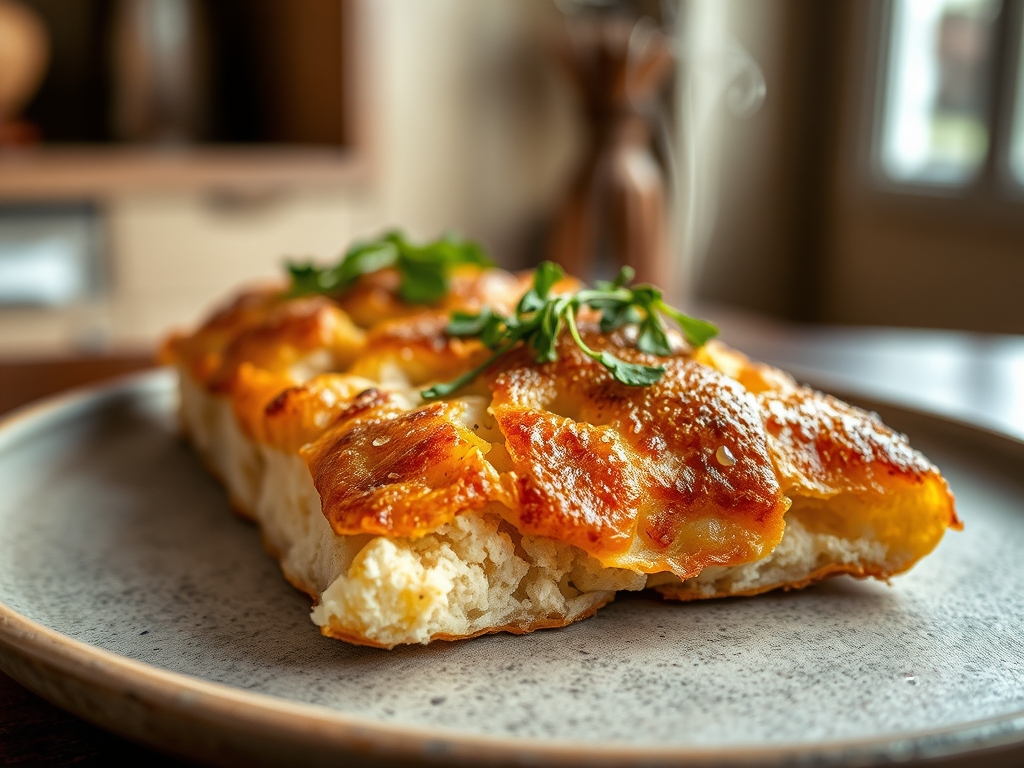
Review the Masterclass photo above. Notice the "tiger spotting" and the varying shades of amber and gold. If your crust is a uniform, dull tan, your oven temperature was likely too low, or you lacked sufficient steam. If the crust is thick and hard rather than thin and crisp, you likely baked it for too long at a lower temperature. To fix a dull appearance, ensure you are using a baking stone or steel; the intense bottom heat is what drives the "oven spring" and creates the dramatic visual contrast in the crust. If the loaf is flat, your shaping technique likely allowed too much gas to escape.
THE DEEP DIVE
Macro Nutrition Profile:
A standard serving (approx. 100g) contains roughly 250 calories, 9g of protein, 50g of carbohydrates, and 2g of fat. While it is a high-carb fuel source, the long fermentation process lowers the glycemic index compared to quick-rise white breads, making it slightly more manageable for blood sugar regulation.
Dietary Swaps:
- Vegan: Naturally vegan. Ensure your flour is not enriched with bone-char processed additives.
- Keto: This specific high-hydration structure is nearly impossible to replicate without gluten. A combination of almond flour, psyllium husk, and egg whites can mimic the loft, but the crust will lack the signature shatter.
- GF: Use a high-quality 1-to-1 gluten-free blend with added xanthan gum, but expect a denser crumb.
Meal Prep & Reheating Science:
Ciabatta is best consumed within 6 hours of baking. To preserve the molecular structure for later use, do not refrigerate; the cold accelerates starch retrogradation, making the bread stale. Instead, freeze slices in airtight bags. To reheat, toast directly from frozen to re-gelatinize the starches and restore the crust's crispness.
THE KITCHEN TABLE
Why is my ciabatta so flat?
High hydration dough is naturally slack. If it is excessively flat, you likely under-developed the gluten during the folding phase or over-proofed the dough, causing the gas bubbles to pop before the heat could set the structure.
Can I use a stand mixer?
Yes, but be careful. Over-mixing in a machine can oxidize the flour, destroying the creamy flavor and yellow pigments. Use the lowest speed and finish the final folds by hand to feel the dough's tension.
What is the best way to store it?
Store in a paper bag at room temperature for 24 hours. For longer storage, wrap in foil and freeze. Never use plastic bags for fresh ciabatta, as they trap moisture and turn the crust into a rubbery mess.
My crust is too soft after cooling. Why?
This is caused by moisture migrating from the crumb to the crust as it cools. To prevent this, leave the loaves in the turned-off oven with the door cracked for 10 minutes after baking to "cure" the crust.