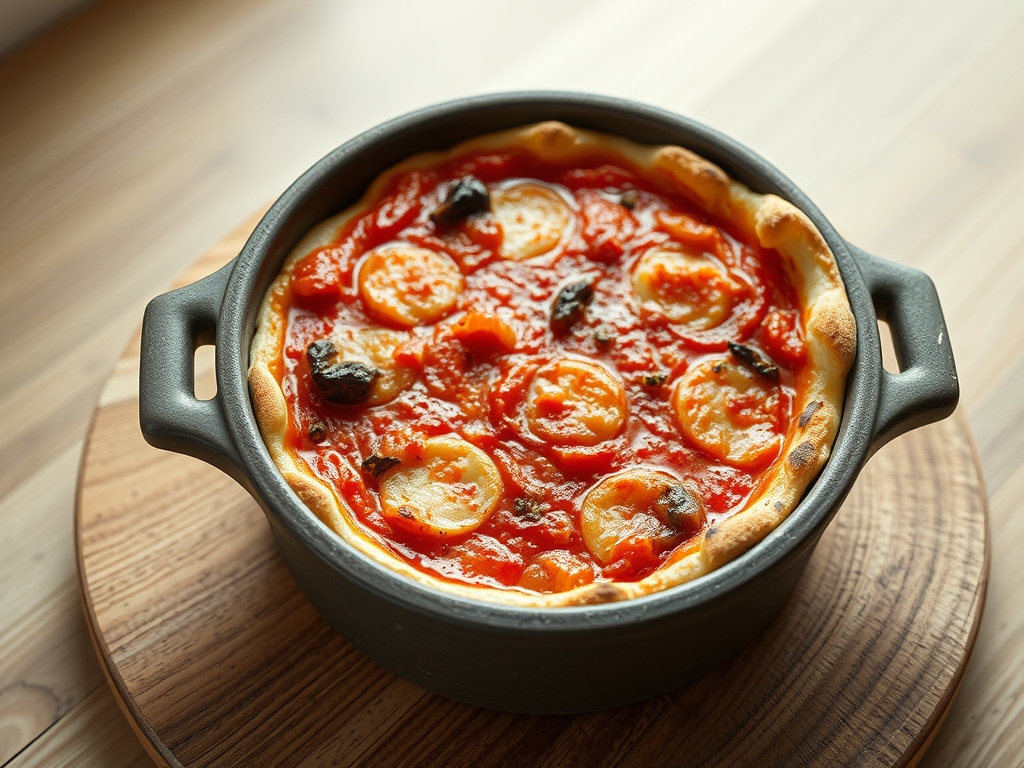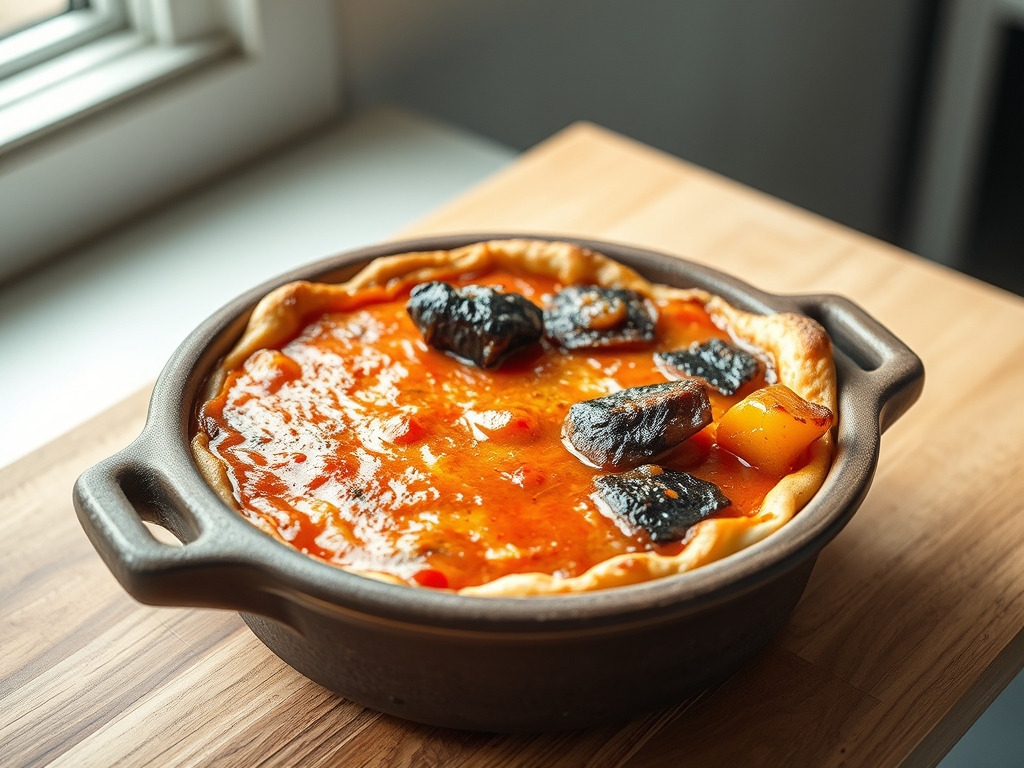
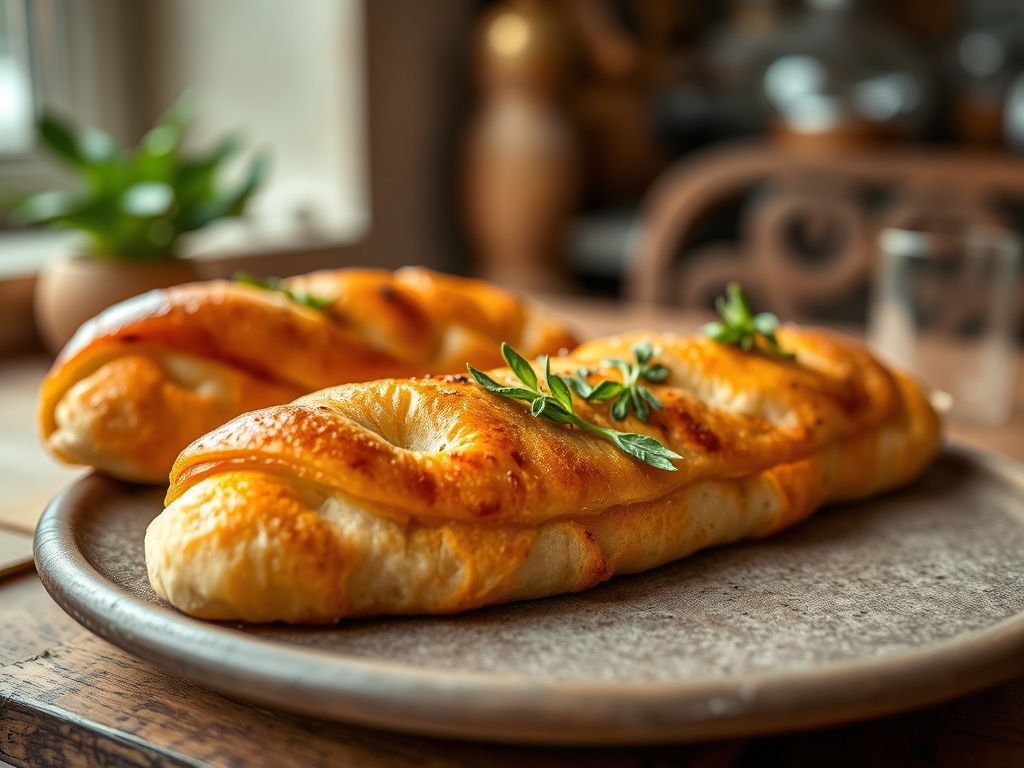
Listen to that sound. It is the sharp, rhythmic crackle of a cooling loaf that signifies a successful Baguette Crust Audit. This is not mere baking; it is a high-stakes engineering project where the objective is a glass-like exterior that shatters upon impact to reveal a soft, aerated interior. In the streets of Paris, this auditory signature is the hallmark of a master boulanger. To achieve this at home, we must move beyond the casual dusting of flour and enter the realm of rapid steam hydration. We are looking for a specific structural integrity: a crust that is thin yet formidable, boasting a deep mahogany hue born from the Maillard reaction. If your current output is pale, leathery, or stubbornly soft, your infrastructure is failing. We are here to recalibrate your oven's thermal mass and your dough's enzymatic activity. Prepare to audit every variable from hydration percentages to the exact millisecond of steam injection. It is time to stop making bread and start constructing icons.
THE DATA MATRIX
| Metric | Specification |
|---|---|
| Prep Time | 24 Hours (Cold Ferment) |
| Execution Time | 45 Minutes |
| Yield | 3 Standard Baguettes |
| Complexity (1-10) | 8 |
| Estimated Cost per Serving | $0.45 |
THE GATHERS
Ingredient Protocol:
- 500g / 4 cups Type 65 Bread Flour (High Protein)
- 350ml / 1.5 cups Filtered Water (65 degrees F)
- 10g / 2 tsp Fine Sea Salt
- 3g / 1 tsp Instant Yeast
- 50ml / 0.2 cup Ice Cubes (For steam generation)
Section A: Ingredient Quality Audit:
If your flour lacks the necessary protein content, the gluten network will collapse under the pressure of rapid expansion. Ensure you are using a flour with at least 12.5 percent protein. If your water is heavily chlorinated, it will inhibit yeast activity; use filtered water to ensure the biological components can aerate the dough effectively. Sub-par salt crystals can lead to uneven distribution; always utilize a digital scale to ensure the salinity is precisely 2 percent of the flour weight to regulate fermentation speed.
THE MASTERCLASS
1. The Autolyse Phase
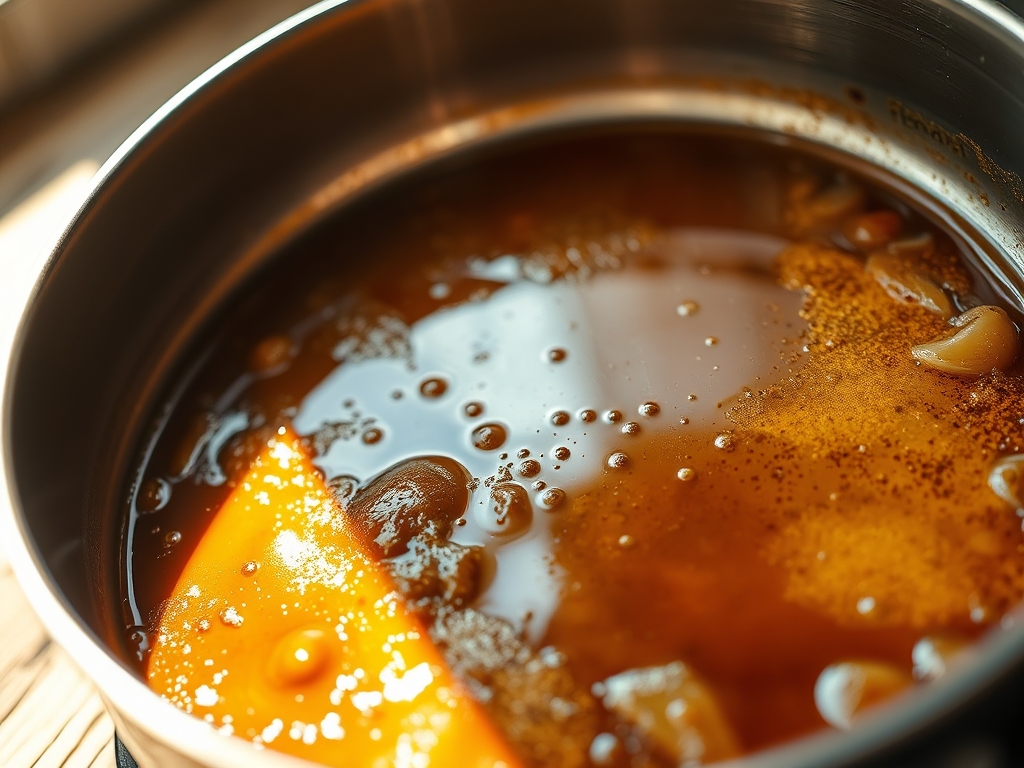
Combine your flour and water in a stainless steel mixing bowl until no dry spots remain. Let this mixture rest for 40 minutes before adding yeast or salt. This allows the flour to fully hydrate and initiates enzymatic activity without the tightening effect of salt.
Pro Tip: Use a bench scraper to clean the sides of the bowl thoroughly; any dried bits of dough will create "glass shards" in your final crumb that ruin the texture.
2. Cold Fermentation Infrastructure
After kneading to develop a moderate gluten window, transfer the dough to a lidded container and refrigerate for 18 to 24 hours. This cold environment slows yeast metabolism, allowing complex organic acids to develop which results in a more piquant and nuanced flavor profile.
Pro Tip: A digital scale is non-negotiable here; even a 2-gram variance in yeast can cause the dough to over-proof in the fridge, leading to a structural collapse during the bake.
3. Precision Shaping and Tension
Divide the dough into three equal portions. Fold the top third down and the bottom third up, then roll into a tight cylinder. The goal is to create high surface tension on the "skin" of the dough, which will eventually become your crust.
Pro Tip: Work on a wooden surface rather than marble; the slight friction helps you render a tighter outer membrane, which is essential for a clean "ear" when scoring.
4. Rapid Steam Injection
Preheat your oven to 500 degrees F with a heavy cast-iron skillet on the bottom rack. Once the baguettes are loaded, pour the ice cubes into the hot skillet and quickly close the door. This creates an immediate cloud of steam that keeps the surface of the dough supple, allowing for maximum "oven spring."
Pro Tip: Professional bakers use a lame (a specialized razor tool) to score the dough at a 30-degree angle; this creates a flap that peels back to form the classic Parisian crust aesthetic.
Section B: Prep & Timing Fault-Lines:
The most common failure in the Baguette Crust Audit is mistiming the steam. If you inject steam too late, the crust will have already set, resulting in a dense, heavy loaf. If your oven temperature drops too significantly during loading, the Maillard reaction will be sluggish, leaving you with a dull, greyish exterior. Use an infrared thermometer to verify that your baking stone has reached at least 480 degrees F before the dough makes contact.
THE VISUAL SPECTRUM
Section C: Thermal & Visual Troubleshooting:
Observe the Masterclass photo above. Note the "grigne," or the sharp, raised edge where the score mark has expanded. If your loaf is flat and lacks this ridge, your shaping tension was insufficient. If the crust appears matte rather than glossy, you likely lacked enough steam in the first ten minutes of the bake. For uneven browning, check for "hot spots" in your oven; rotating the loaves halfway through the bake is a mandatory corrective action. A truly successful audit results in a "tiger-skin" appearance: tiny micro-blisters on the surface caused by long, cold fermentation and high-heat hydration.
THE DEEP DIVE
- Macro Nutrition Profile: High in complex carbohydrates with moderate protein (approx 12g per baguette). Low fat content makes this a staple of the Mediterranean-adjacent French diet.
- Dietary Swaps: For a Vegan profile, no changes are needed as the base recipe is naturally plant-based. For Gluten-Free, utilize a high-quality 1-to-1 blend with added psyllium husk to mimic the viscous properties of gluten.
- Meal Prep & Reheating Science: To maintain the molecular structure, never refrigerate finished bread. Freeze in airtight bags. To reheat, spray the crust lightly with water and bake at 350 degrees F for 8 minutes to re-gelatinize the starches and restore the crunch.
THE KITCHEN TABLE
Why is my crust chewy instead of crunchy?
This usually indicates insufficient baking time or a lack of steam. The steam allows the starches on the surface to gelatinize; without it, the crust dries out too quickly and becomes leathery rather than brittle.
Can I use a standard baking sheet?
You can, but a preheated baking stone or heavy steel plate provides superior thermal mass. This immediate heat transfer is what triggers the rapid expansion of gases inside the dough for a light crumb.
What does a "double hydration" mean?
This is a technique where a portion of the water is held back and added only after the gluten has partially developed. It allows for a higher total water content without the dough becoming unmanageable.
How do I know when the bake is finished?
Beyond the mahogany color, tap the bottom of the loaf. It should sound hollow. For a technical verification, the internal temperature should register between 205 and 210 degrees F on an instant-read thermometer.