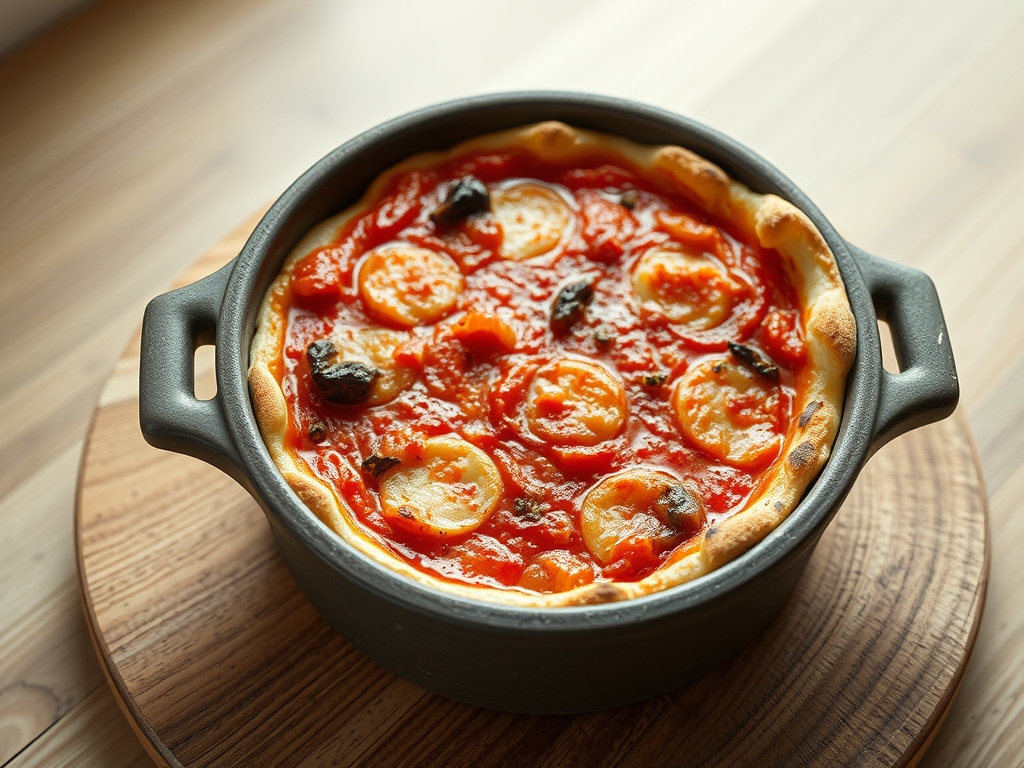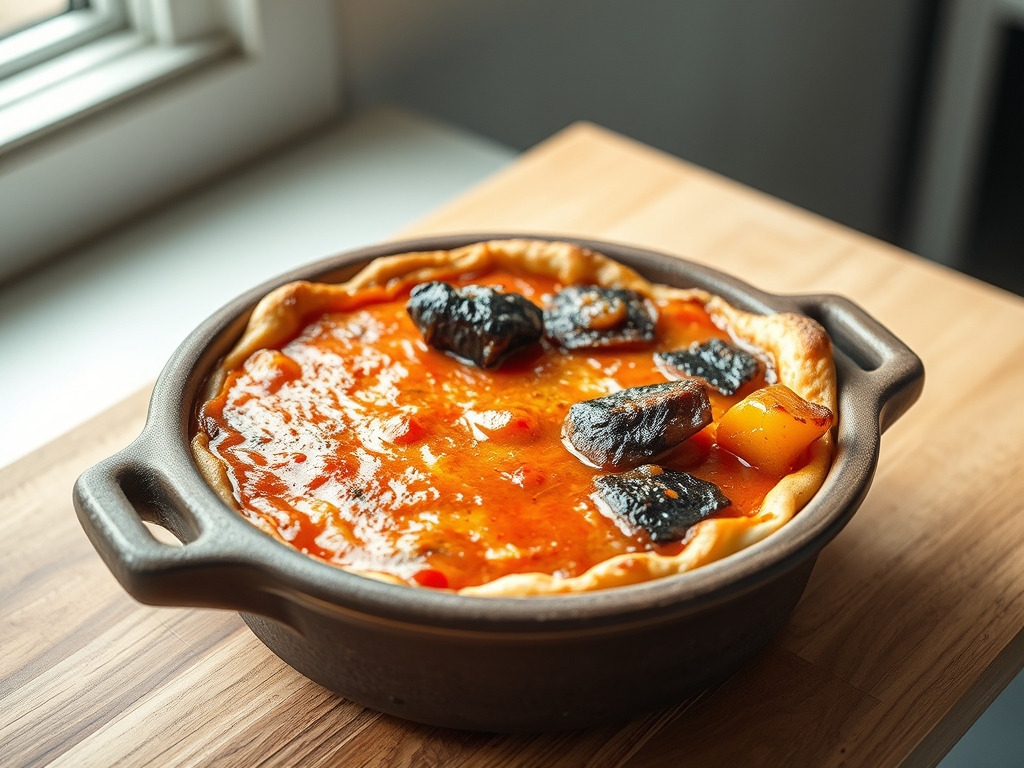
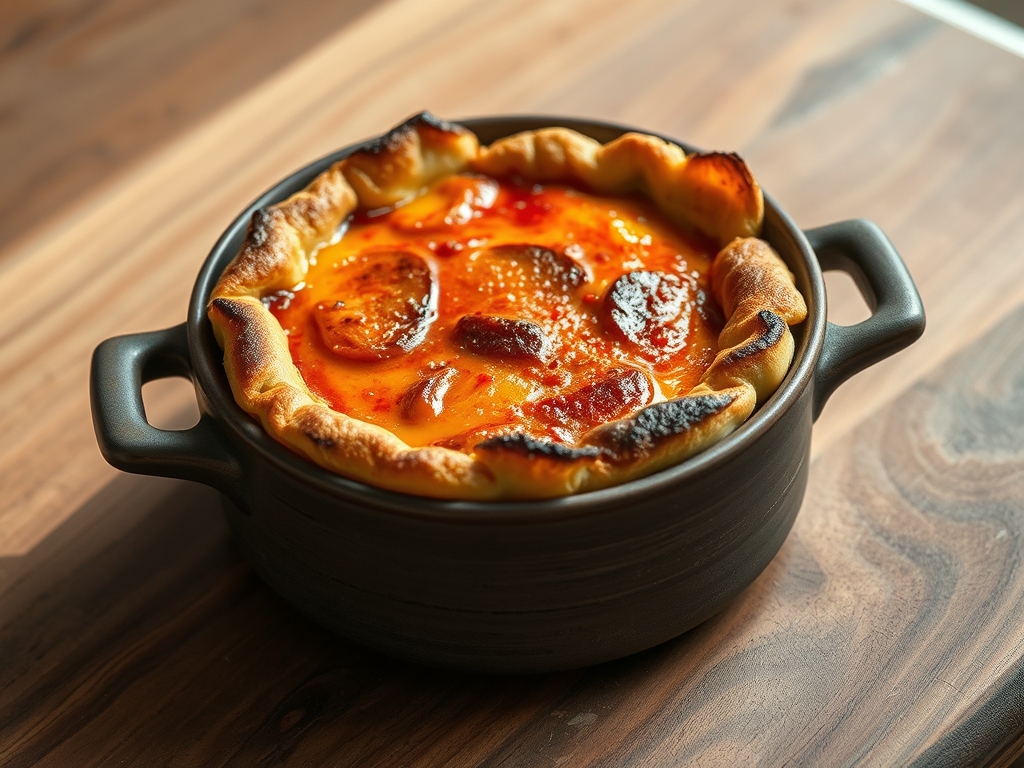
Forget everything you think you know about pizza because we are no longer discussing food; we are discussing civil engineering. When you step into the arena of Chicago Deep Dish Crust Architecture, you are not just a cook; you are a structural foreman responsible for a high-tension containment vessel. This is a three inch vertical wall of golden, buttery reinforcement designed to withstand the hydraulic pressure of two pounds of molten mozzarella and a viscous, chunky tomato sealant. The crust must be a paradox. It must be short and flaky like a biscuit to satisfy the palate, yet rigid enough to prevent a catastrophic structural failure when the first slice is extracted. We are looking for a specific lamination that defies the sogginess of the "Chicago Swamp" effect. If your dough lacks the tensile strength to hold its form, your dinner is a casualty. We are here to ensure that every bite delivers a crunch that resonates through the jawbone while maintaining a tender, cornmeal-dusted interior. It is time to audit your gluten network and optimize your lipids.
THE DATA MATRIX
| Metric | Specification |
|---|---|
| Prep Time | 25 Minutes (Active) |
| Execution Time | 3 Hours (Proofing + Baking) |
| Yield | Two 9-inch Deep Dish Shells |
| Complexity (1-10) | 7 |
| Estimated Cost per Serving | $1.85 USD |
THE GATHERS
Ingredient Protocol:
- 480g / 3.75 cups All-Purpose Flour (High protein preferred)
- 100g / 0.75 cups Medium-Grind Yellow Cornmeal
- 10g / 2 tsp Fine Sea Salt
- 15g / 1 tbsp Granulated Sugar
- 7g / 2.25 tsp Instant Yeast
- 285ml / 1.2 cups Filtered Water (90 degrees F)
- 115g / 0.5 cups Unsalted Butter (Softened for lamination)
- 60ml / 4 tbsp Corn Oil or Vegetable Oil
- 15ml / 1 tbsp Melted Butter (For pan lubrication)
Section A: Ingredient Quality Audit:
Sub-par raw materials are the primary cause of architectural collapse. If your flour has a low protein content, the gluten network will be too weak to aerate, resulting in a leaden, dense base. To fix this, substitute 50g of the all-purpose flour with bread flour to increase the structural integrity. If your yeast is sluggish, it will fail to infuse the dough with the necessary CO2 pockets. Always perform a bloom test in warm water before mixing. Finally, ensure your cornmeal is medium-grind; fine-grind cornmeal lacks the grit required to provide that signature Chicago tooth-sink, while coarse-grind will feel like eating gravel. If your butter is too warm, it will soak into the flour rather than creating the distinct layers needed to render a flaky texture. Keep it at a cool room temperature where it is pliable but not greasy.
THE MASTERCLASS
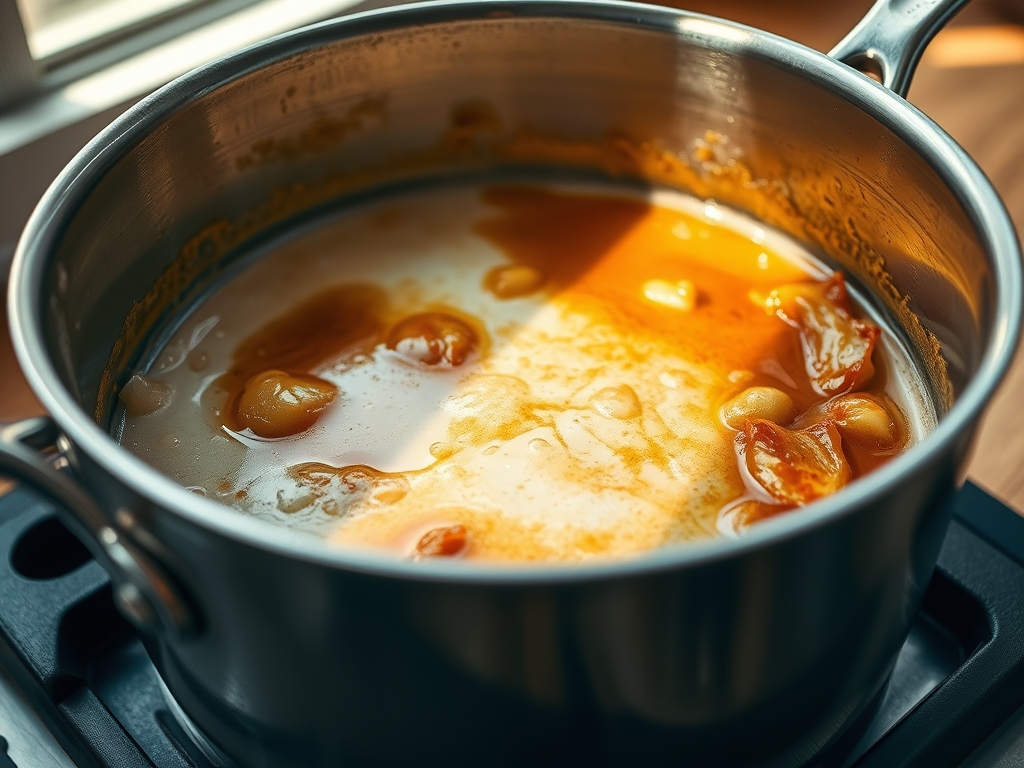
Step-by-Step Execution:
1. The Initial Hydration Phase
Combine the flour, cornmeal, salt, sugar, and yeast in the bowl of a stand mixer. Slowly introduce the warm water and corn oil. Use the dough hook on low speed to incorporate the ingredients until a shaggy mass forms.
Pro Tip: Use a digital scale for these measurements; volumetric cups are the enemy of precision. The oil coats the flour proteins, limiting gluten development to ensure the crust remains tender rather than chewy.
2. The Primary Fermentation
Knead the dough on medium-low speed for 5 minutes until it is smooth and elastic. Place it in a lightly oiled bowl, cover with plastic wrap, and let it rise in a warm environment until doubled in size, roughly 60 to 90 minutes.
Pro Tip: A bench scraper is essential here to move the dough without tearing the surface tension. Proper fermentation allows the yeast to aerate the matrix, creating micro-voids that will later be filled with steam.
3. The Lamination Maneuver
Degas the dough and roll it out into a large rectangle on a floured surface. Spread the softened butter across the surface, leaving a small margin at the edges. Roll the dough into a tight cylinder, then fold the cylinder into thirds like a letter.
Pro Tip: This is the secret to Deep Dish Crust Architecture. This process creates alternating layers of dough and fat. When the heat hits the oven, the water in the butter evaporates, forcing the layers apart to create a flaky, laminated shield.
4. The Cold Cure
Wrap the folded dough in plastic and refrigerate for at least 30 minutes. This chills the butter back to a solid state, ensuring it doesn't leak out during the final shaping process.
Pro Tip: Temperature control is a variable you cannot ignore. Using a digital thermometer to check your fridge temp ensures the butter stays at the optimal 40 degrees F for structural stability.
5. The Structural Casting
Roll the chilled dough out to a 12-inch circle. Coat your high-sided cake pan or authentic deep-dish tin with melted butter. Lay the dough in, pressing it firmly into the corners and up the walls to create a 1.5-inch vertical lip.
Pro Tip: Do not stretch the dough; lift and drop it into place. Stretching creates tension that will cause the walls to shrink during the bake, leading to a structural breach and sauce overflow.
Section B: Prep & Timing Fault-Lines:
Timing is the silent killer of the perfect crust. If you rush the second rise once the dough is in the pan, the bottom will be too dense to support the weight of the toppings. Conversely, if you let it over-proof, the walls will become weak and "holy," allowing moisture to seep through. If the dough is resisting your attempts to roll it out, the gluten is too tight. Walk away for ten minutes; let the proteins relax so you can achieve the necessary thickness without tearing the laminate.
THE VISUAL SPECTRUM
Section C: Thermal & Visual Troubleshooting:
Referencing the Masterclass photo, your crust should exhibit a deep, biscuit-gold hue with visible "shatters" on the vertical edges. If your crust appears pale and ghostly, your oven temperature is likely too low or you skipped the sugar, which is vital for the Maillard reaction. If the bottom is soggy while the top is burnt, you haven't used enough oil in the pan to fry the base. The visual cue for a perfect bake is a slight pulling away of the crust from the sides of the metal. If the crust looks dull and matte, you may have over-floured your work surface; use a pastry brush to remove excess flour before the bake to ensure a vibrant, toasted finish.
THE DEEP DIVE
Macro Nutrition Profile
A single serving of this crust architecture is energy-dense, providing approximately 320 calories, 45g of carbohydrates, and 14g of fats. The inclusion of cornmeal adds a marginal increase in fiber but the primary goal here is structural integrity and flavor, not caloric restriction.
Dietary Swaps
- Vegan: Substitute the butter with a high-quality vegan block butter (not tub margarine) and ensure it has a high fat content for lamination.
- Gluten-Free: This is difficult for Deep Dish Crust Architecture. You must use a 1-to-1 GF blend with added xanthan gum and an egg to provide the "glue" that the gluten network usually provides.
- Keto: Utilize almond flour and mozzarella-based "fathead" dough, though the vertical wall height must be reduced as it lacks the lift of yeast.
Meal Prep & Reheating Science
To maintain molecular structure when reheating, avoid the microwave at all costs; it turns the crust into a rubberized mess. Use an air fryer or a toaster oven at 350 degrees F. This re-activates the fats within the lamination, crisping the exterior while keeping the interior crumb tender.
THE KITCHEN TABLE
Why is my crust so tough?
You likely over-worked the dough after adding the butter. Excessive kneading develops too much gluten, turning a flaky biscuit-like crust into a bread-like tire. Mix until just combined and let the lamination do the work.
Can I use olive oil instead of corn oil?
You can, but corn oil is traditional for Chicago style. It has a higher smoke point and provides a neutral base that allows the buttery flavor of the lamination to shine without the piquant bite of olives.
My crust walls keep falling down!
This is a "shrinkage" issue caused by stretching the dough. Ensure the dough is relaxed and cold when you press it into the pan. If it still falls, use a fork to dock the sides.
How do I prevent a soggy bottom?
Layer your cheese directly on the crust before adding the sauce. The cheese acts as a moisture barrier, preventing the viscous tomato sauce from migrating into the dough fibers during the long bake.
Does the pan material matter?
Absolutely. Use a heavy-duty dark steel or anodized aluminum pan. These materials conduct heat more efficiently than glass, ensuring the bottom of the crust undergoes proper browning and crisping.